The energy-releasing metabolic process in which the substrate is oxidized without an external electron acceptor is called :
Option B : Fermentation.
Fermentation is a metabolic process that occurs in the absence of an external electron acceptor, like oxygen. In fermentation, the organic substrate itself acts as the electron donor and acceptor. This process allows for the partial oxidation of glucose (or other substrates) under anaerobic conditions, resulting in the production of energy in the form of ATP, along with various end products like ethanol or lactic acid, depending on the type of fermentation.
To clarify the other options :
- Option A : Glycolysis is the process of breaking down glucose into pyruvate, yielding a small amount of energy. It occurs in both aerobic and anaerobic conditions and is not dependent on an external electron acceptor. However, it is not synonymous with fermentation.
- Option C : Aerobic respiration is a metabolic process that requires an external electron acceptor, typically oxygen, for the complete oxidation of substrates like glucose to produce energy.
- Option D : Photorespiration is a process in plants that occurs in light and consumes oxygen while producing carbon dioxide, but it is not primarily an energy-releasing process like fermentation.
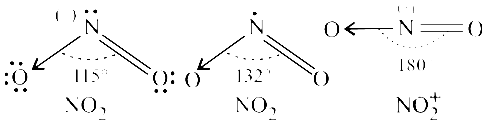


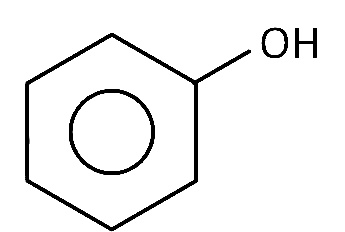
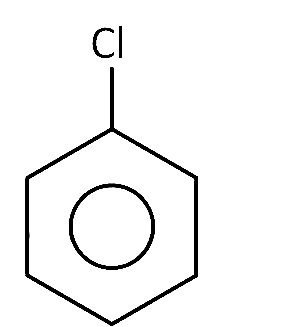
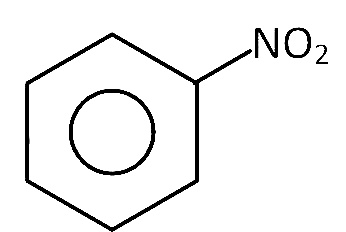
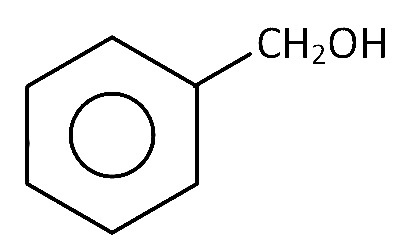
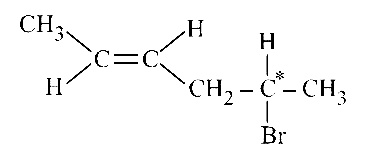


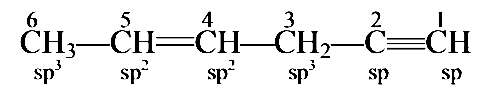

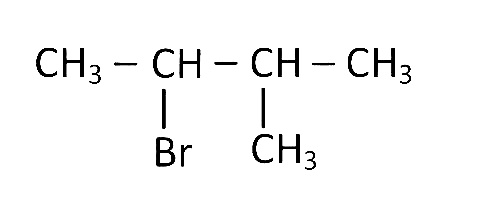
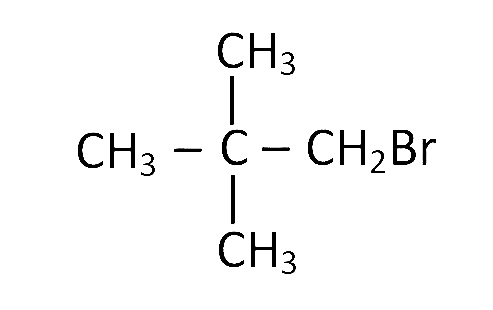
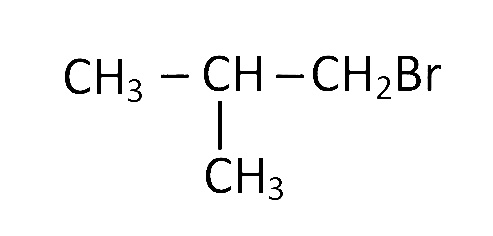
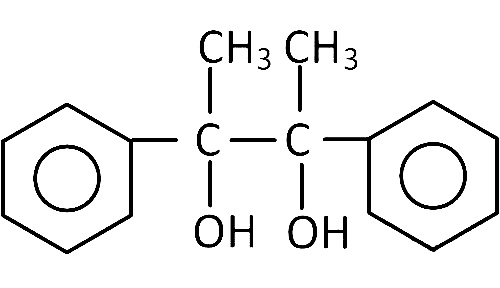
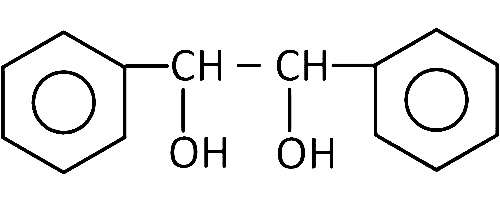

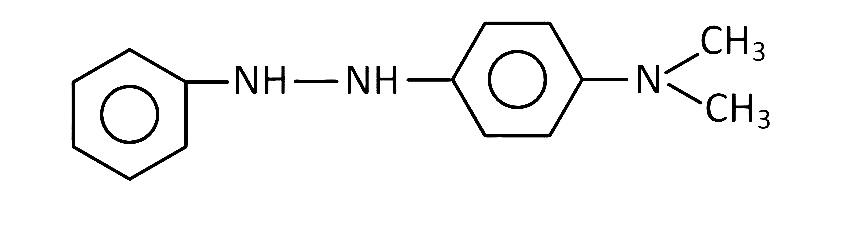
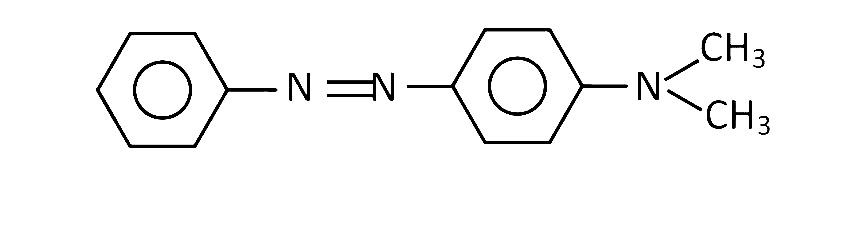
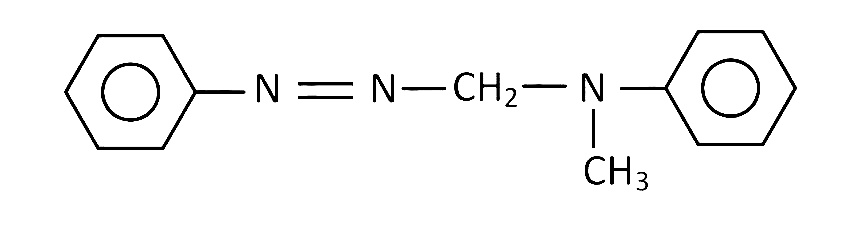
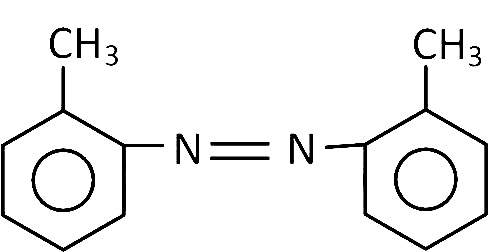
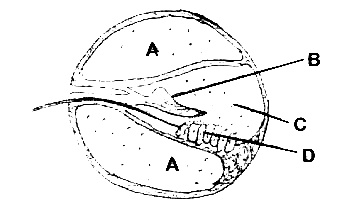 Which one of the following options correctly
represents the names of three different parts?
Which one of the following options correctly
represents the names of three different parts?