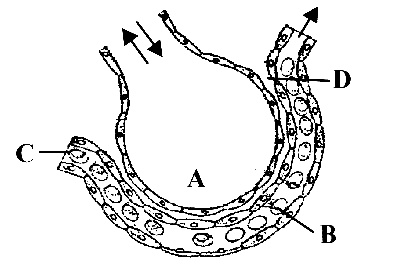
Q.1
The dimensions of are
(A)
(B)
(C)
(D)
(C)
Solution
= = Speed of light in vacuum = c
So the dimension of = [c] =[LT-1]
So the dimension of = [c] =[LT-1]

| Ions | Hybridisation |
|---|---|
| sp |
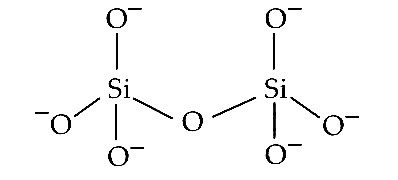
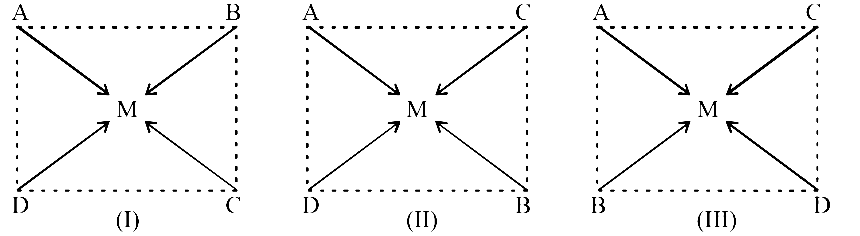

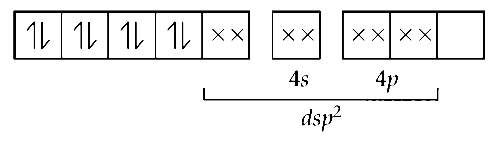
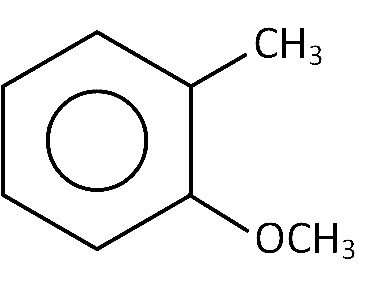
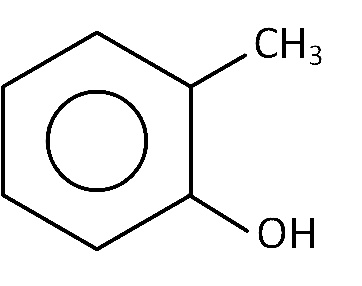
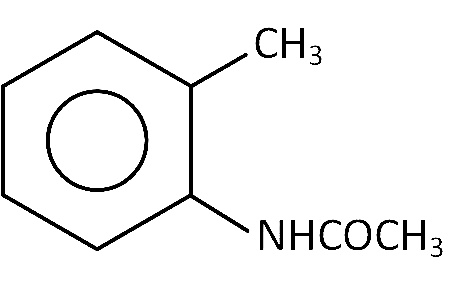
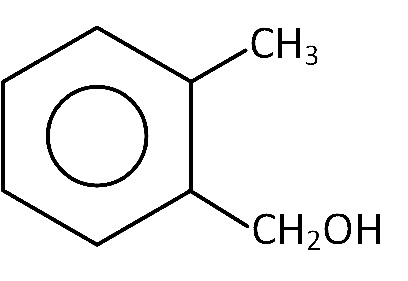
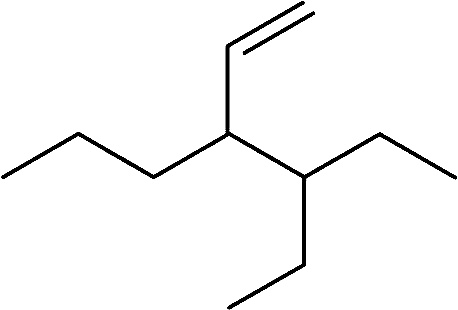
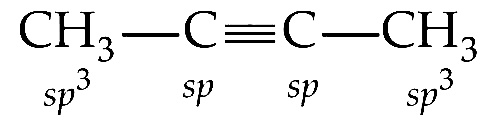 has sp
hybridized carbon atoms which has bond angle 180o are attached to sp3
hybridised carbon atoms. So, it is linear.
has sp
hybridized carbon atoms which has bond angle 180o are attached to sp3
hybridised carbon atoms. So, it is linear.
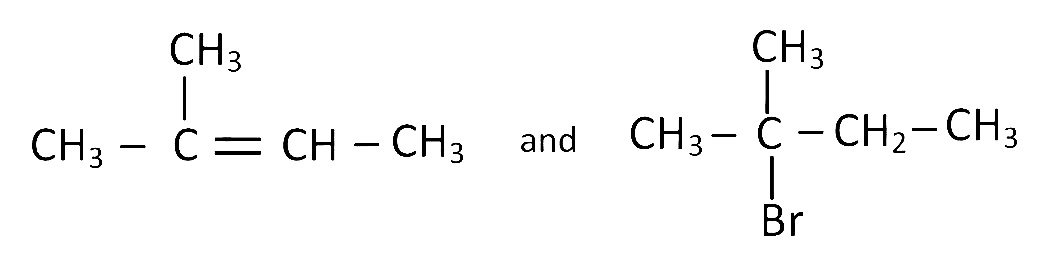
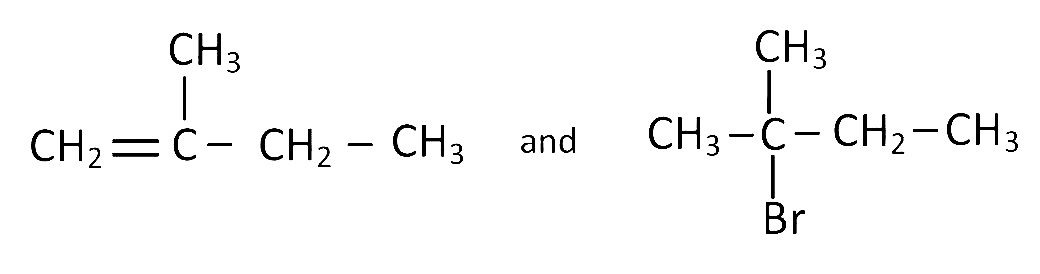
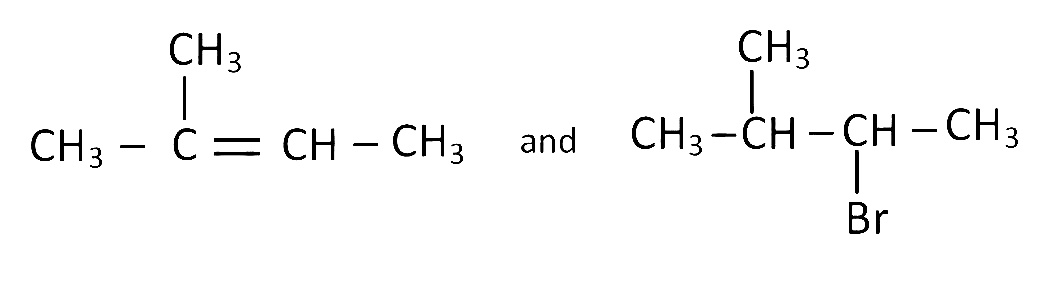
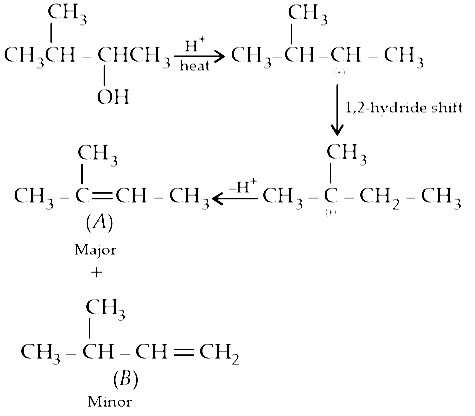
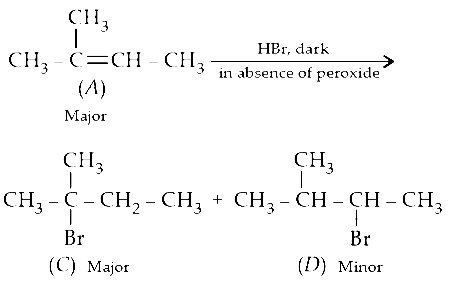
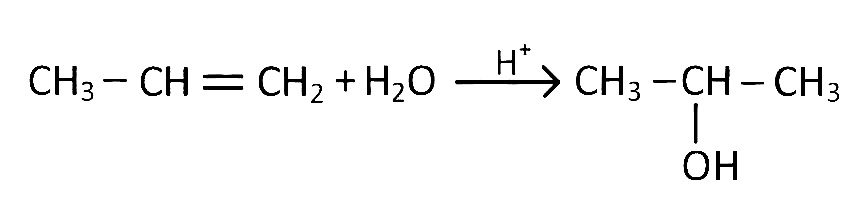



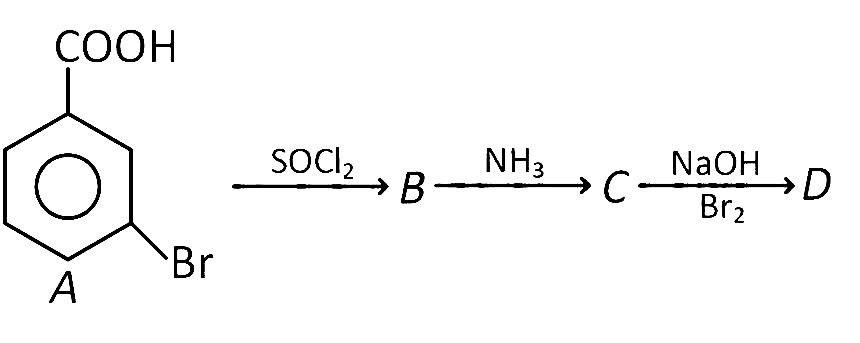
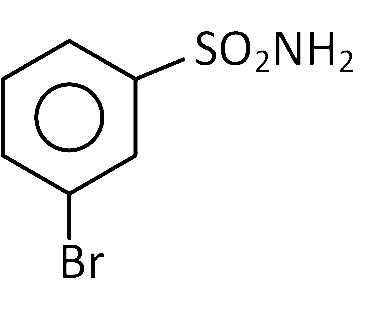
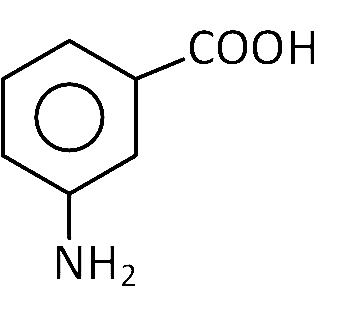
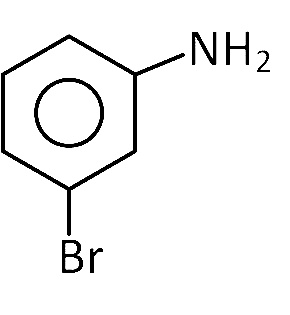
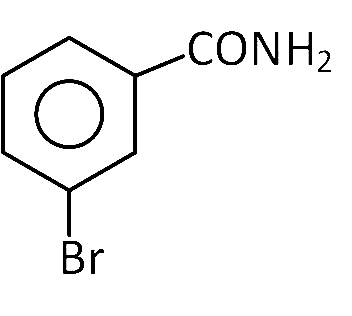
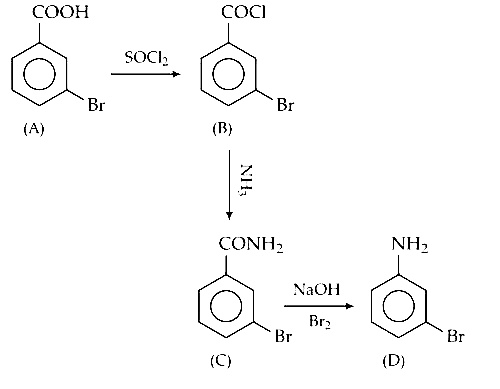
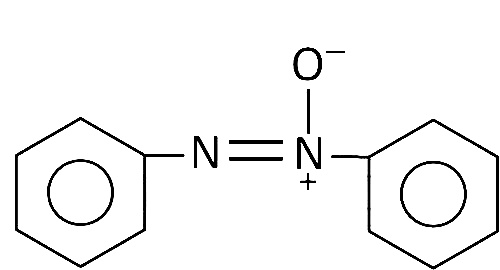
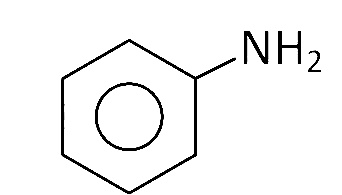

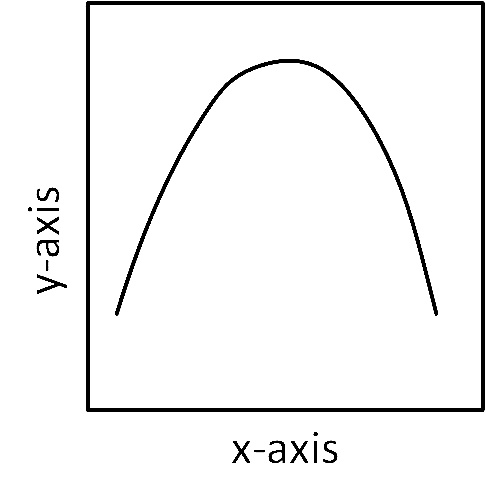
| x-axis | y-axis | |
|---|---|---|
| enzymatic activity | pH |
| x-axis | y-axis | |
|---|---|---|
| temperature | enzyme activity |
| x-axis | y-axis | |
|---|---|---|
| substrate concentration | enzymatic activity |
| x-axis | y-axis | |
|---|---|---|
| enzymatic activity | temperature |
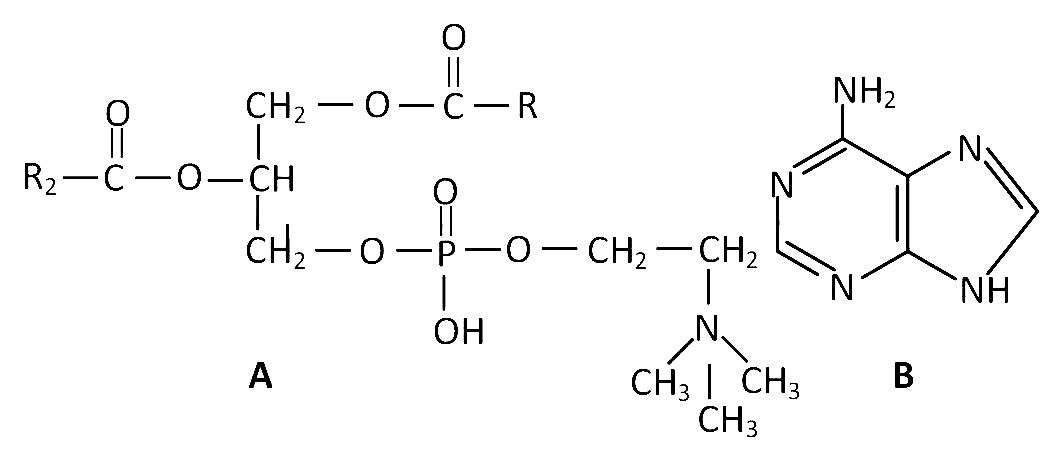
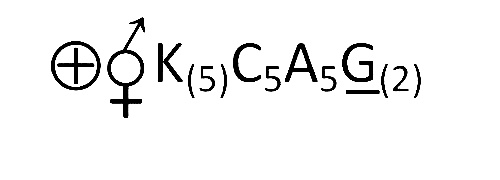
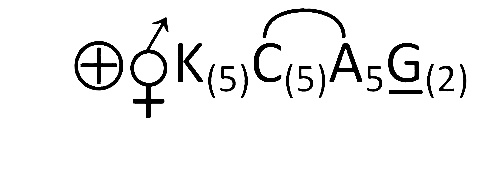
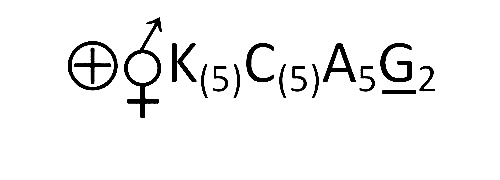
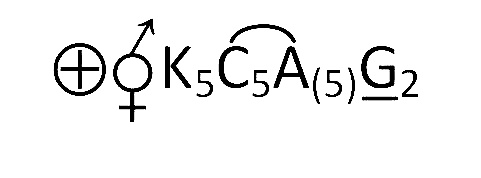
The ABO blood system classifies human blood into four types based on the presence or absence of certain antigens on the surface of red blood cells. These types are A, B, AB, and O. For a safe blood transfusion, it's crucial that the donor's blood type is compatible with the recipient's. Compatibility is determined by antigens on the red blood cells and antibodies in the plasma. Here's how the compatibility works:
Given the scenario where the recipient's blood type is unknown, the safest option for blood transfusion would be Type O blood. This is because Type O blood has no A or B antigens on the red blood cells, making it compatible with any recipient regardless of their ABO blood type. Thus, regardless of the recipient's unknown ABO blood group, a friend with Type O blood could donate without causing a harmful reaction due to ABO incompatibility.
Therefore, the correct answer is:
Option C: Type O
| Pair of skeletal parts | Category | |
|---|---|---|
| Sternum and ribs | - | Axial skeleton |
| Pair of skeletal parts | Category | |
|---|---|---|
| Clavicle and glenoid | - | Pelvic girdle |
| Pair of skeletal parts | Category | |
|---|---|---|
| Humerus and ulna | - | Appendicular skeleton |
| Pair of skeletal parts | Category | |
|---|---|---|
| Malleus and stapes | - | Ear ossicles |
| Gland | Secretion | Effect on body |
|---|---|---|
| A | Estrogen | Maintenance of secondary sexual characters |
| Alpha cells of Islets of Langerhans |
B | Raises blood sugar level |
| Anterior pituitary | C | Over secretion leads to gigantism |
| A | B | C |
|---|---|---|
| Ovary | Glucagon | Growth hormone |
| A | B | C |
|---|---|---|
| Placenta | Insulin | Vasopressin |
| A | B | C |
|---|---|---|
| Ovary | Insulin | Calcitonin |
| A | B | C |
|---|---|---|
| Placenta | Glucagon | Calcitonin |
| Source gland | Hormone | Function |
|---|---|---|
| Anterior pituitary | Oxytocin | Contraction of uterus muscles during child birth |
| Source gland | Hormone | Function |
|---|---|---|
| Posterior pituitary | Vasopressin | Stimulates reabsorption of water in the distal tub- ules in the nephron |
| Source gland | Hormone | Function |
|---|---|---|
| Corpus luteum | Estrogen | Supports pregnancy |
| Source gland | Hormone | Function |
|---|---|---|
| Thyroid | Thyroxine | Regulates blood calcium level |
| Genus name | Two characters | Class/Phylum | ||
|---|---|---|---|---|
| Ascaris | (i) Body segmented (ii) Males and feamales distinct |
Annelida |
| Genus name | Two characters | Class/Phylum | ||
|---|---|---|---|---|
| Salamandra | (i) A tympanum represents ear (ii) Fertilization is external |
Amphibia |
| Genus name | Two characters | Class/Phylum | ||
|---|---|---|---|---|
| Pteropus | (i) Skin possessess (ii) Oviparous |
Mammalia |
| Genus name | Two characters | Class/Phylum | ||
|---|---|---|---|---|
| Aurelia | (i) Cnidoblasts (ii) Organ level of organization |
Coelenterata |