Solution
G = Gravitational constant = [M1L3T2]
So,
Take the surface of the Earth as the reference level for potential energy.
Initially, the particle is released from height , so
Initial potential energy
Initial kinetic energy
So, total mechanical energy is
Now suppose at some instant the particle is at height above the surface.
Then,
Potential energy at that instant
Kinetic energy at that instant is given to be three times the potential energy:
Using conservation of mechanical energy:
Substitute and :
So the height from the surface is
Now find the speed at that instant.
Since
and also
So,
Cancel :
Now put :
Therefore,
Hence, the correct answer is:
So, Option A is correct.
To calculate the impulse imparted to the ball, we need to look at the change in momentum during the collision with the ground. The impulse can be determined by the following relationship:
Where:
Since the ball rebounds to the same height, its speed just before it hits the ground and just after it leaves the ground will be the same (ignoring air resistance), although the direction of the velocity will change.
Let's calculate the speed of the ball just before the impact. The ball drops from a height with initial velocity m/s. Using the kinematic equation for constant acceleration under gravity , we have:
Plugging in the values for , m/s2, and m, we get:
m/s
Since the ball bounces back to the same height, its speed on the way up just after the collision will be m/s but in the opposite direction.
The change in velocity is:
m/s
Given that the mass is 0.15 kg, we can now calculate :
kg m/s
The magnitude of the impulse imparted to the ball is therefore approximately 4.242 kg m/s, which most closely matches:
Option C: 4.2 kg m/s.


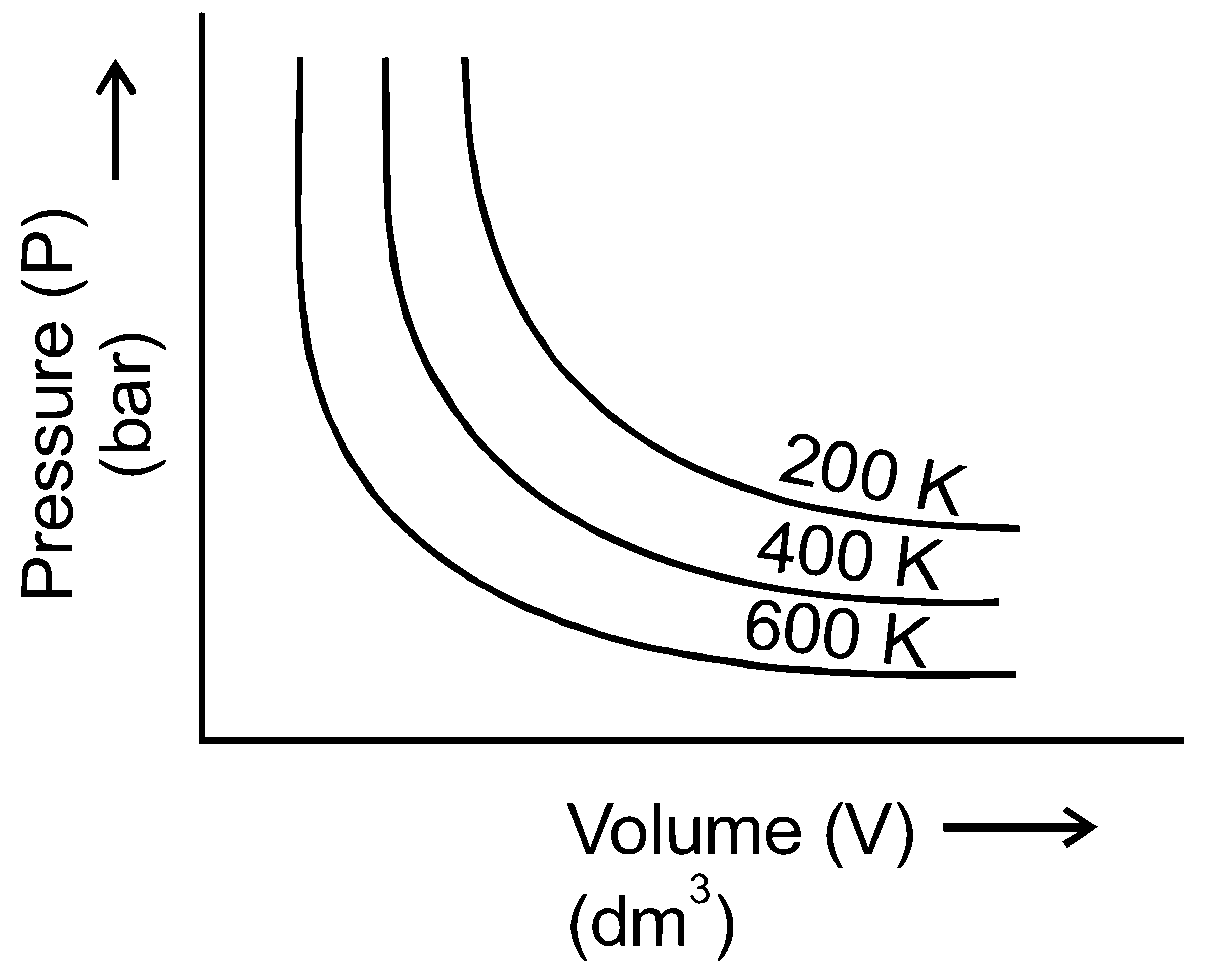
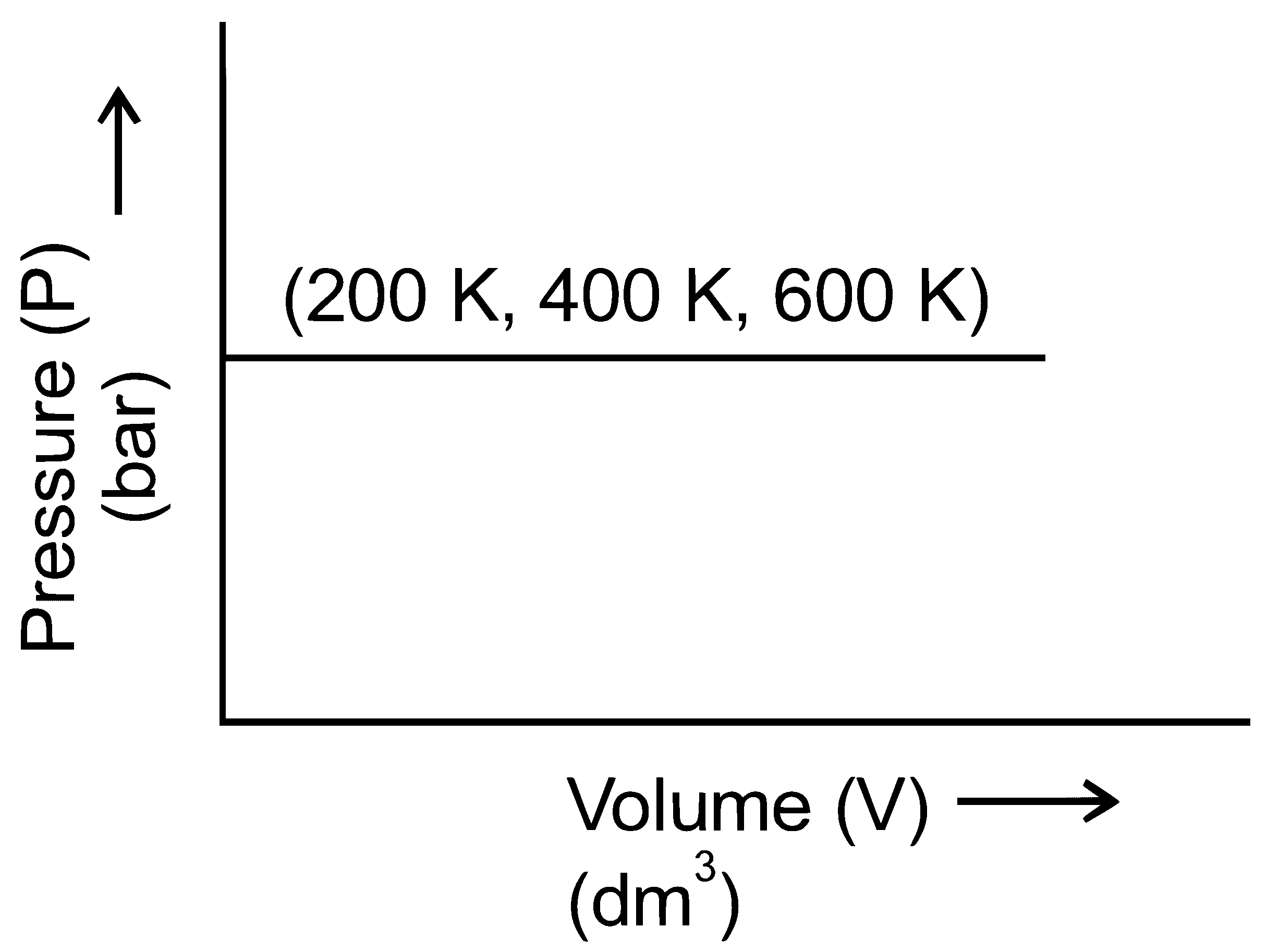
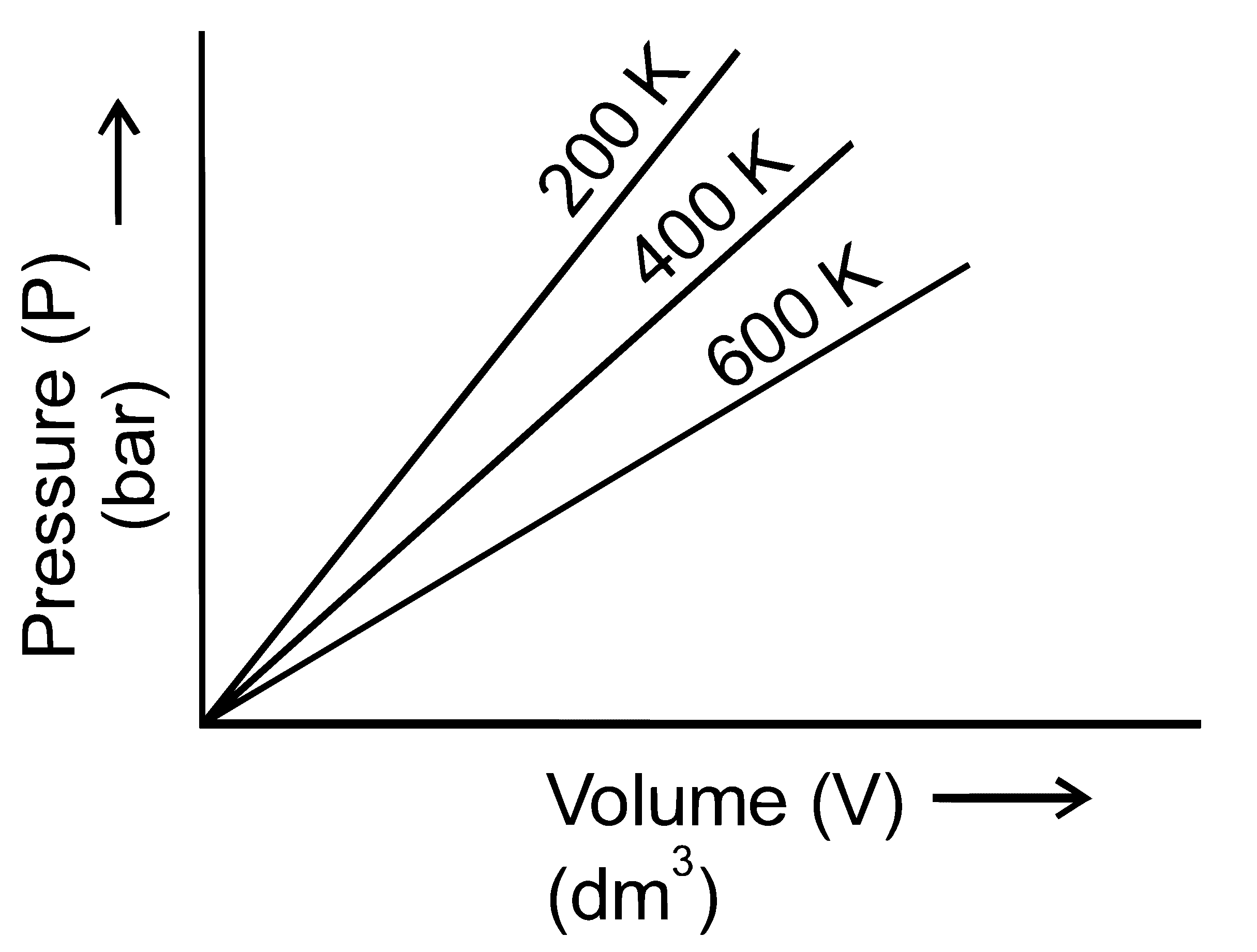
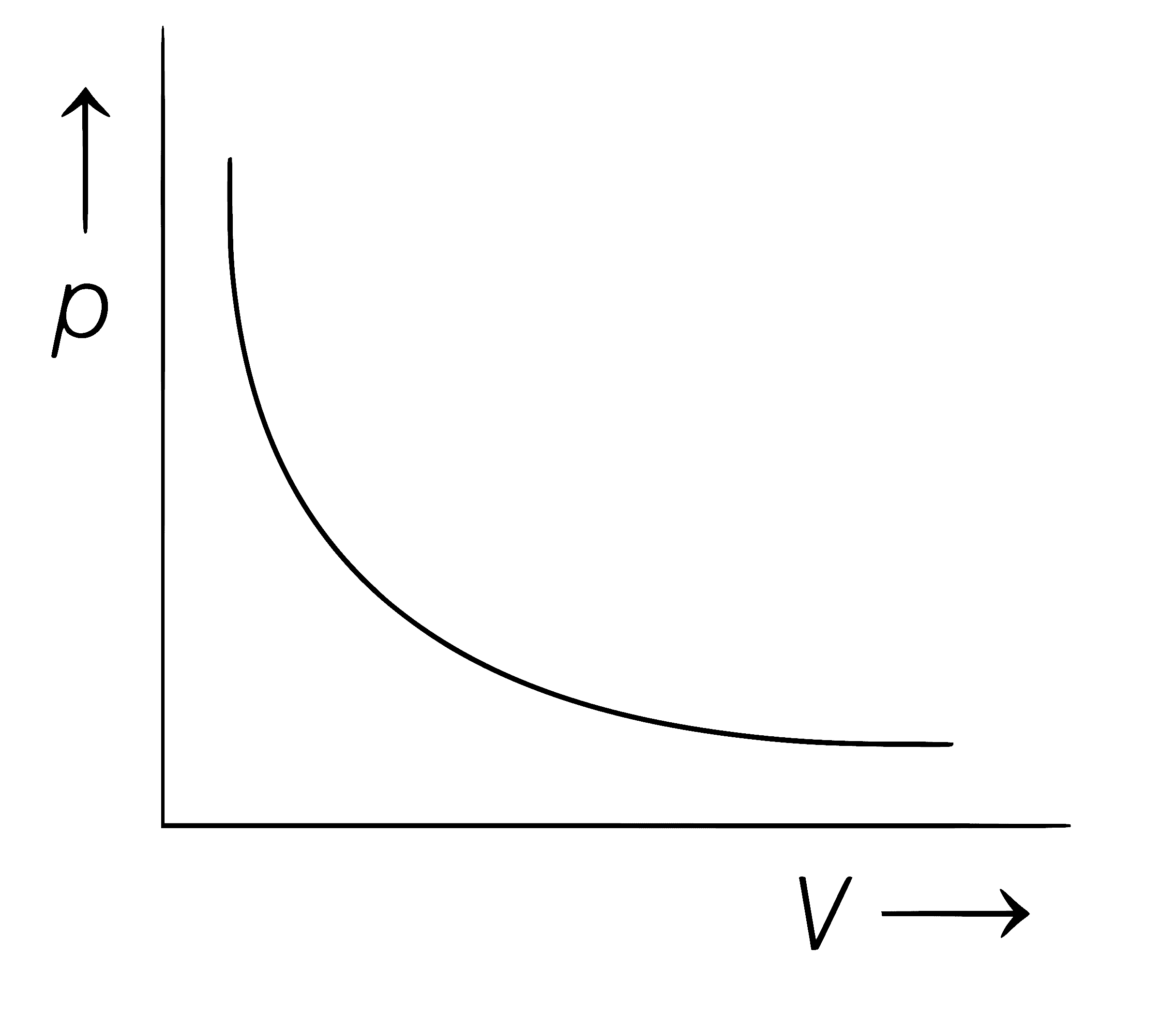
| Column - I | Column - II | ||
|---|---|---|---|
| (A) | Root mean square speed of gas molecules | (P) | |
| (B) | Pressure exerted by ideal gas | (Q) | |
| (C) | Average kinetic energy of a molecule | (R) | |
| (D) | Total internal energy of 1 mole of a diatomic gas | (S) |


| Column - I | Column - II | ||
|---|---|---|---|
| (A) | Drift Velocity | (P) | |
| (B) | Electrical Resistivity | (Q) | |
| (C) | Relaxation Period | (R) | |
| (D) | Current Density | (S) |


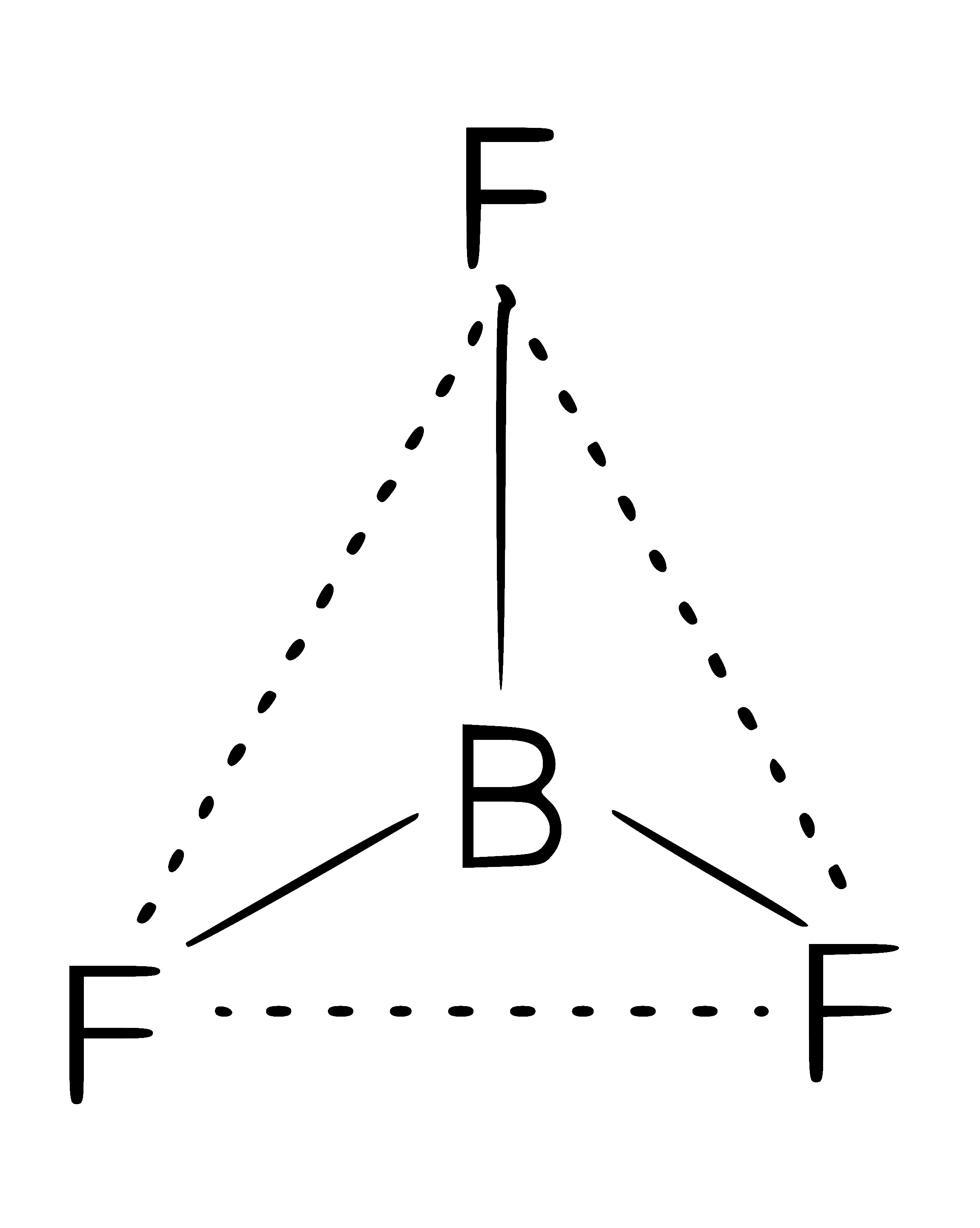
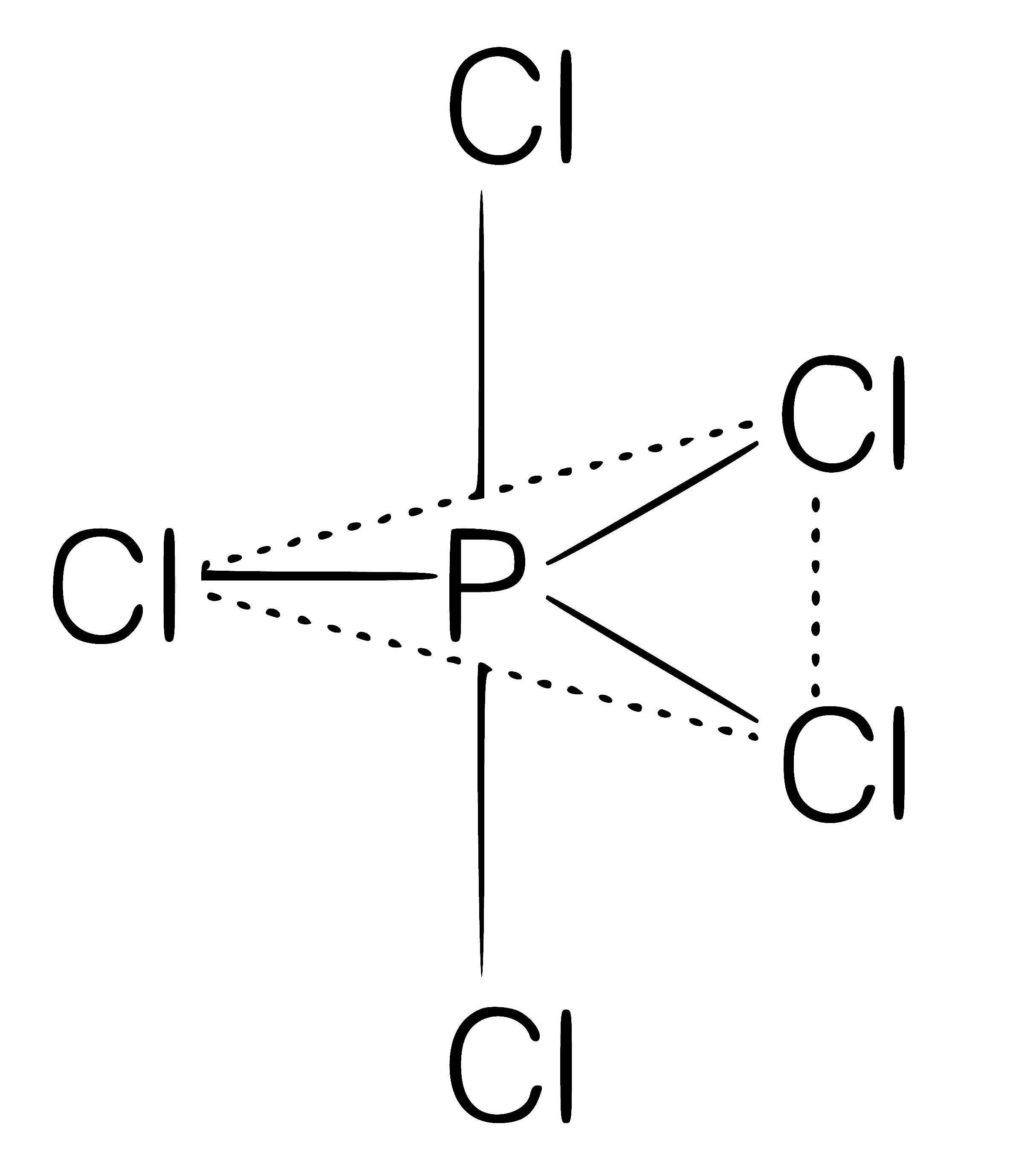
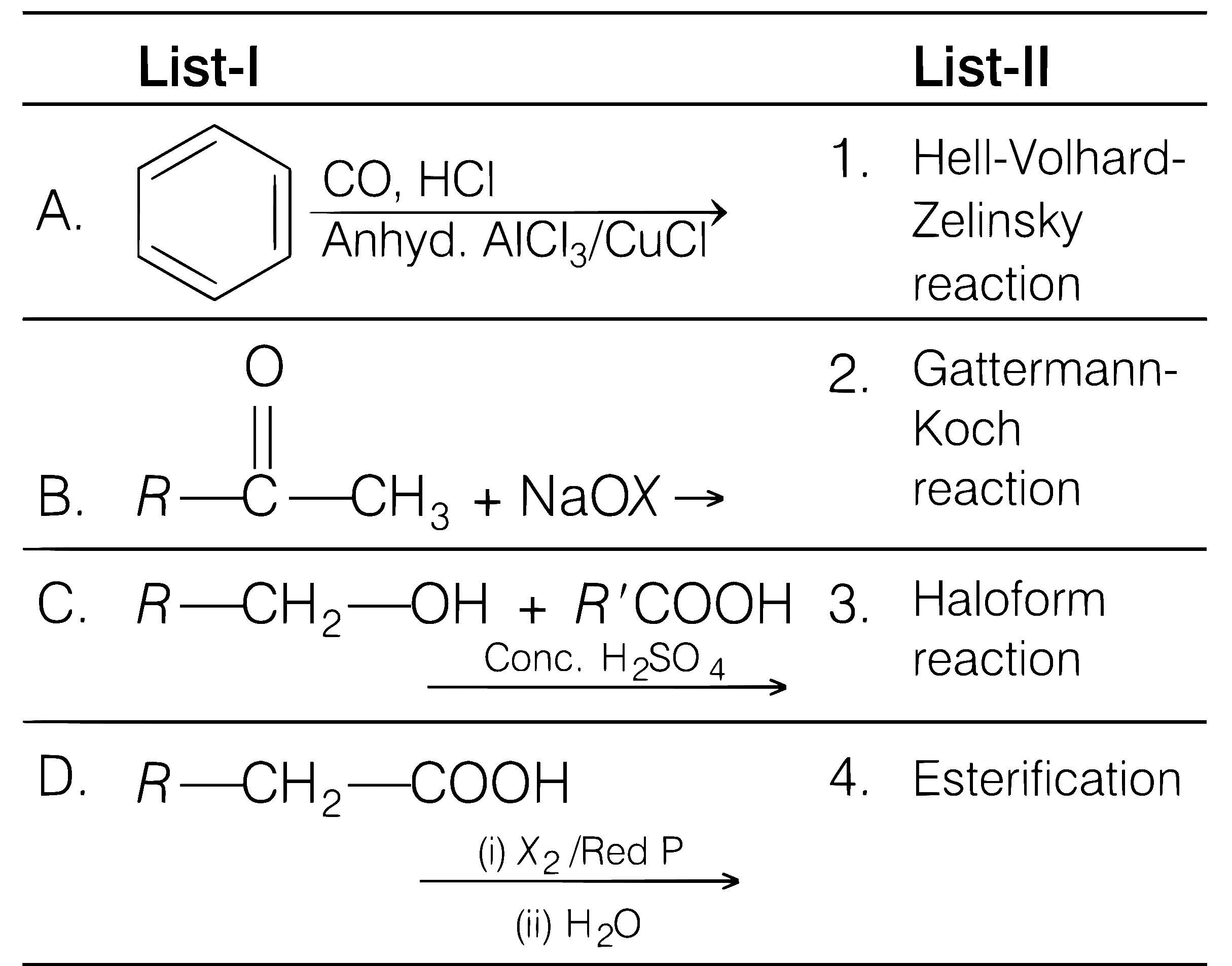
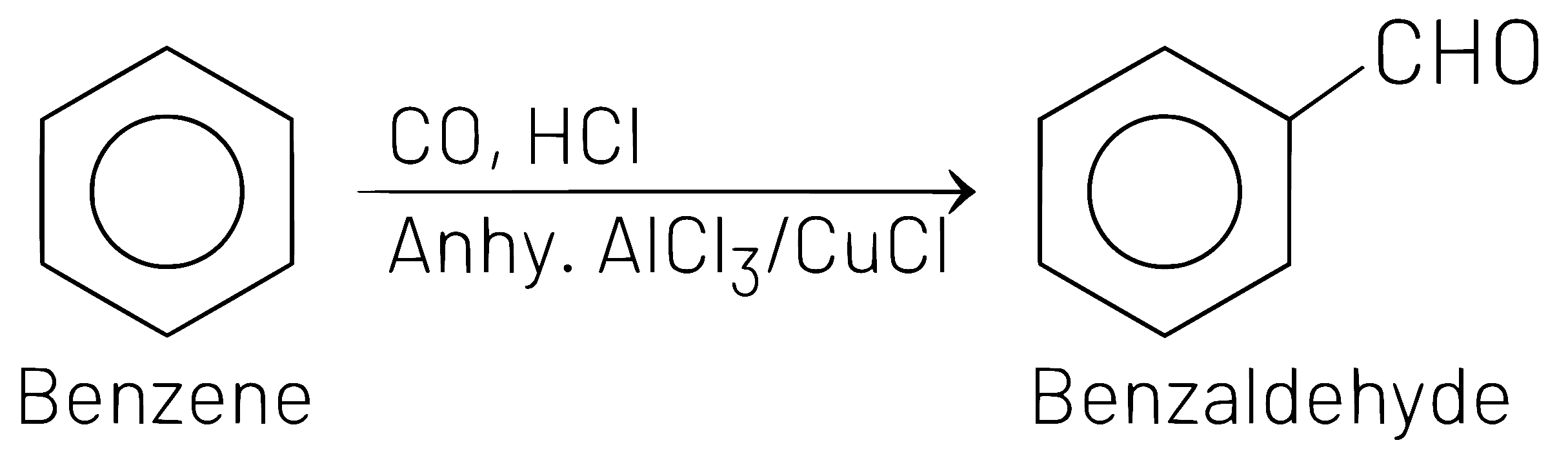
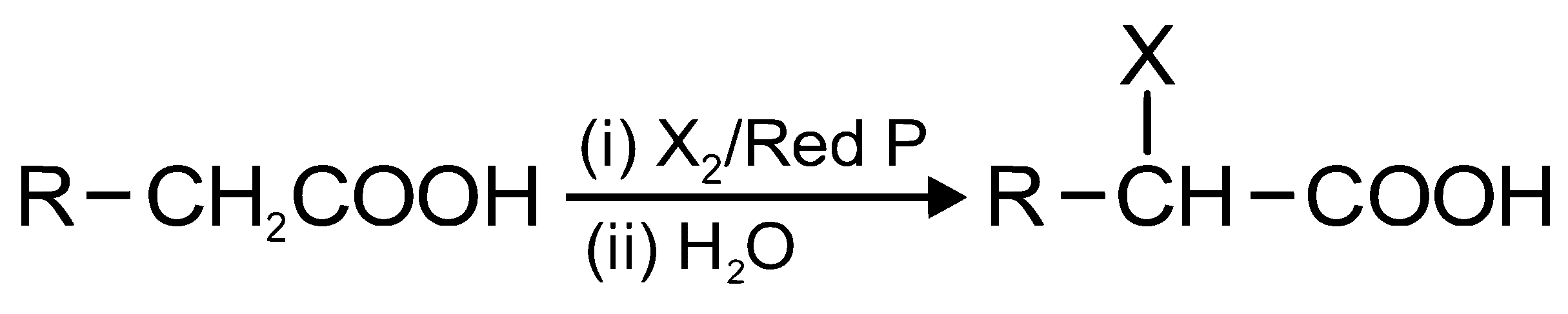
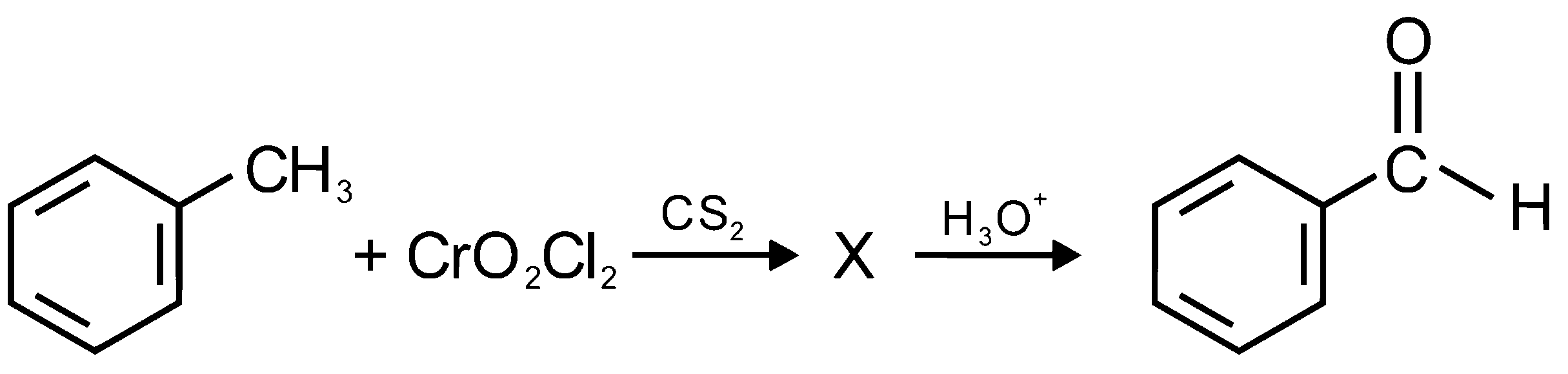
| List - I | List - II | ||
|---|---|---|---|
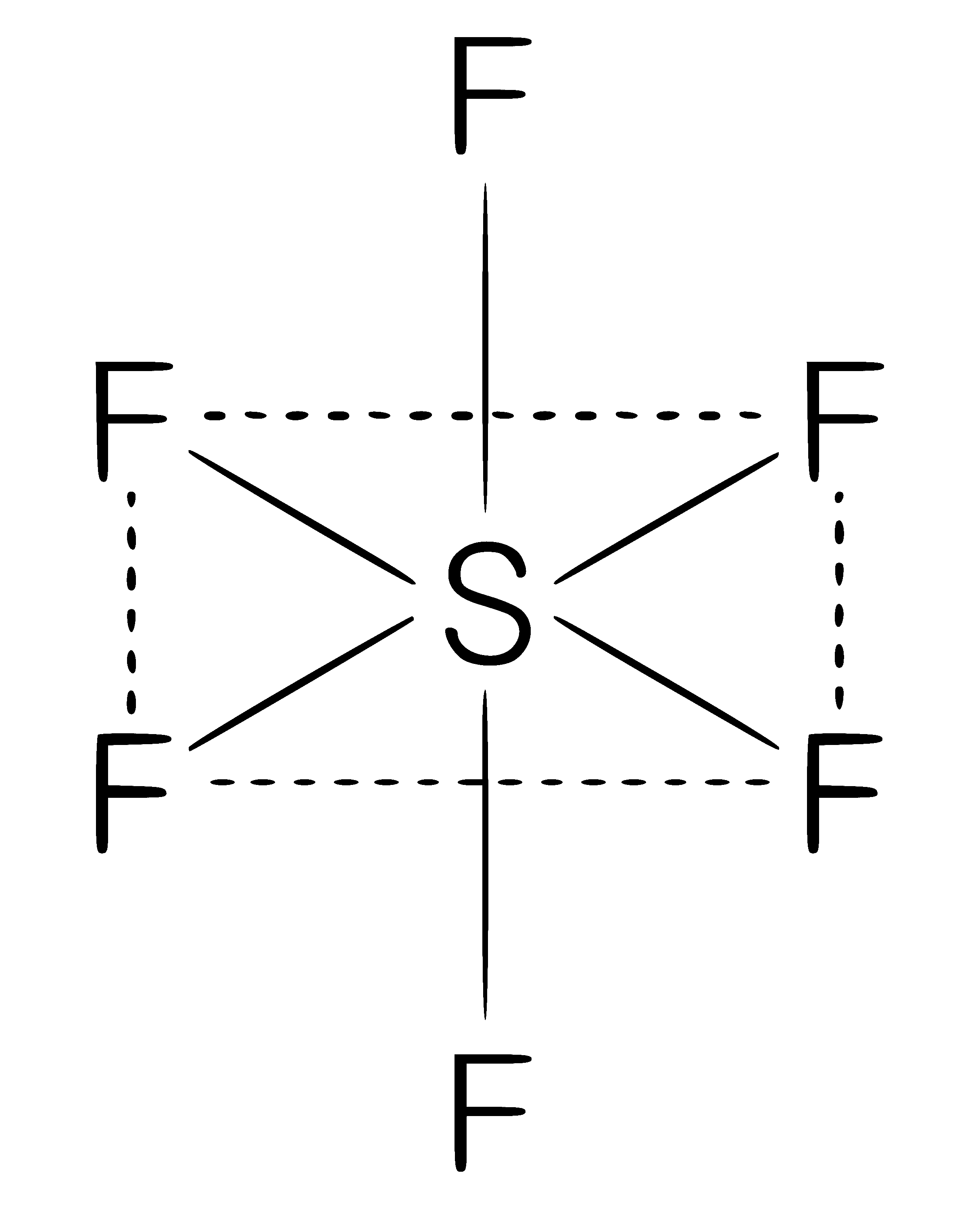
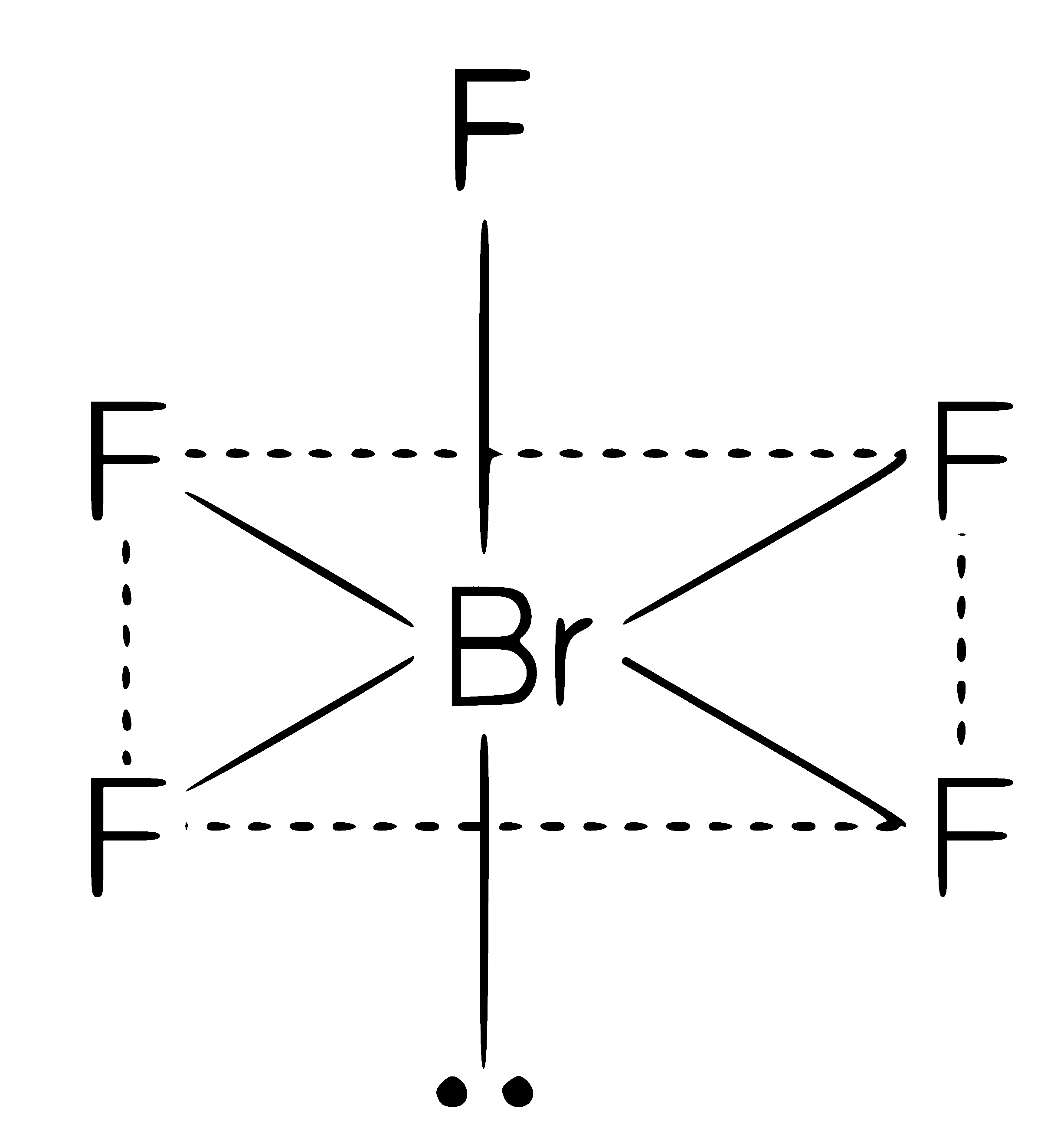
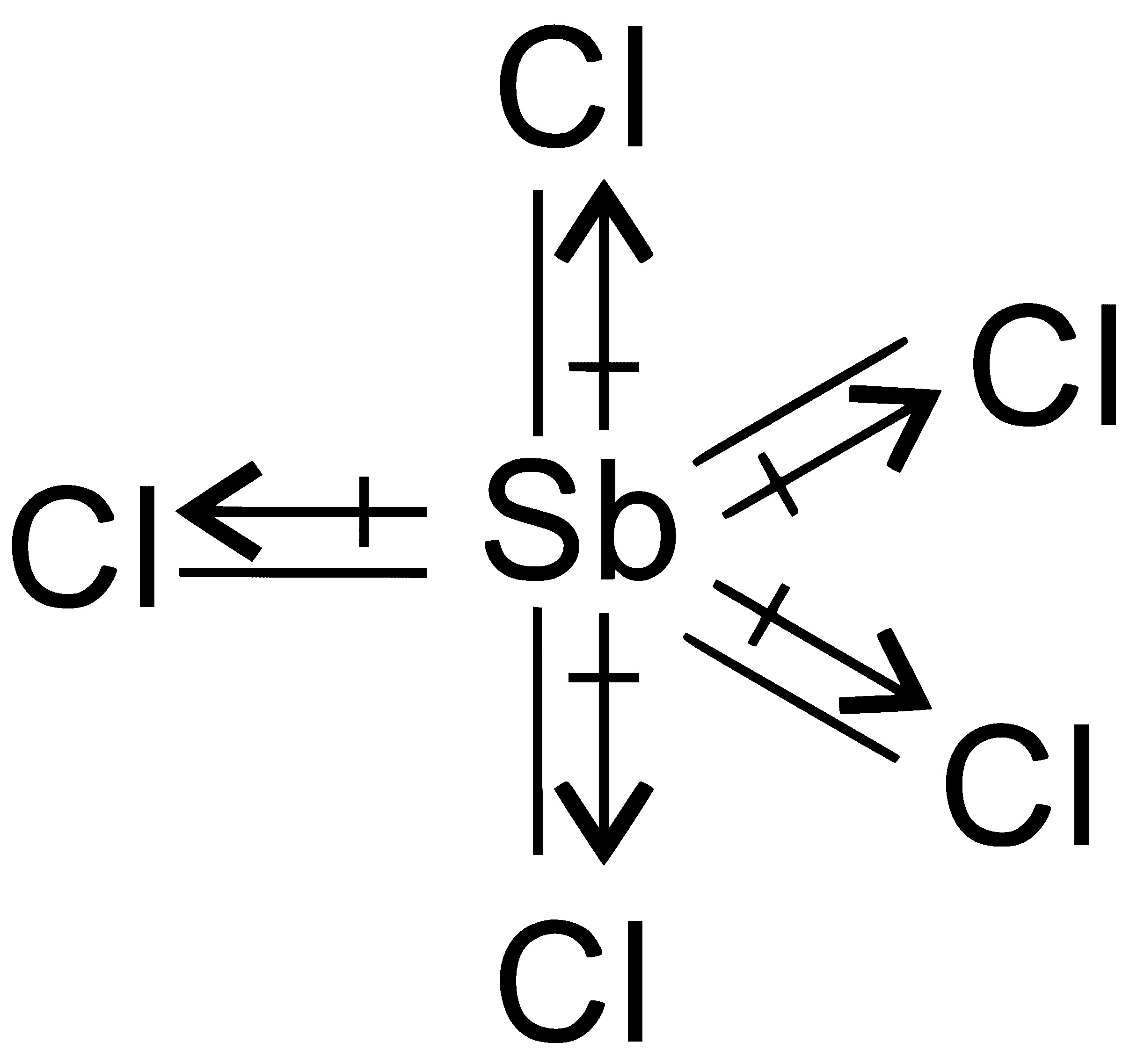
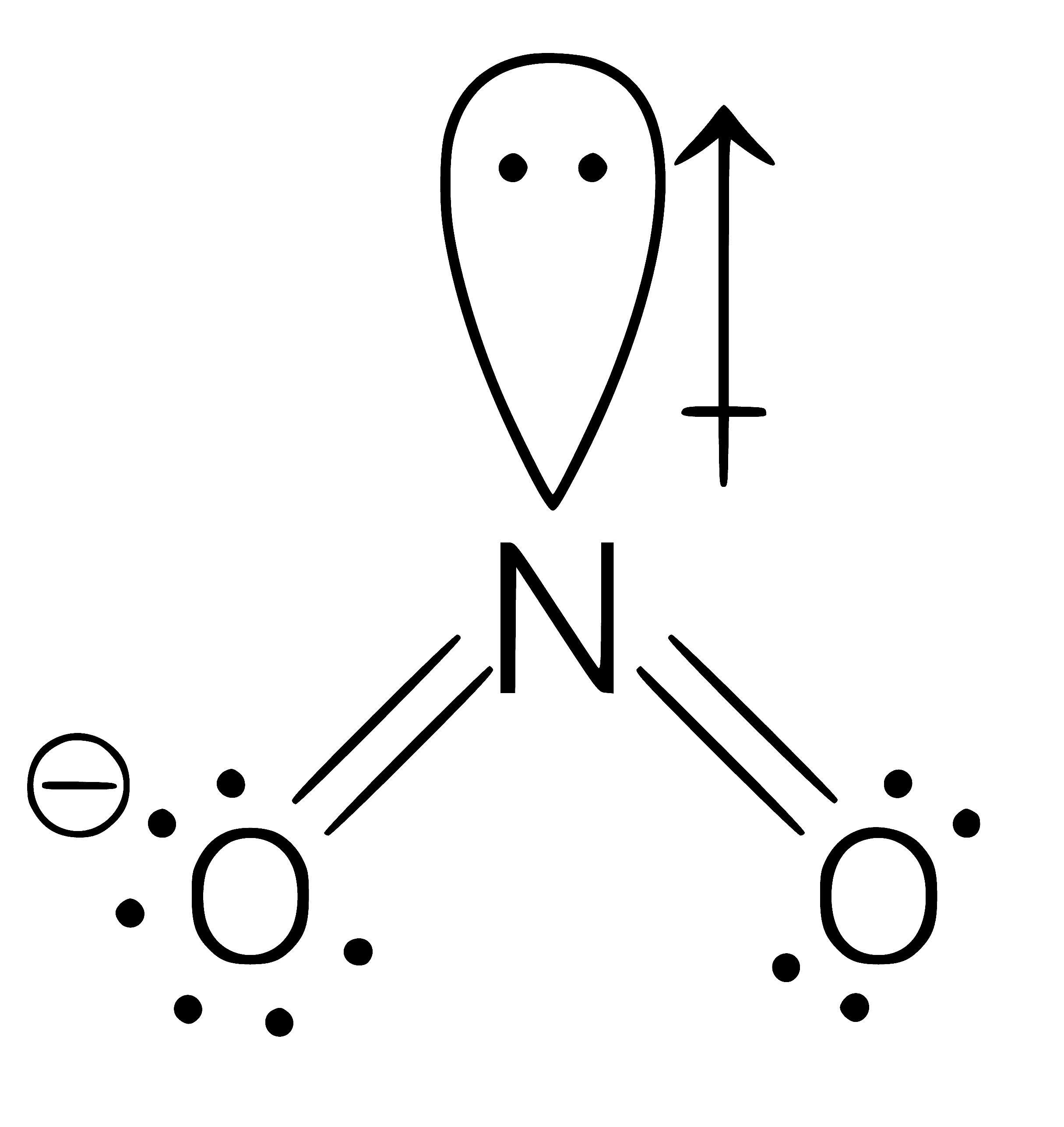
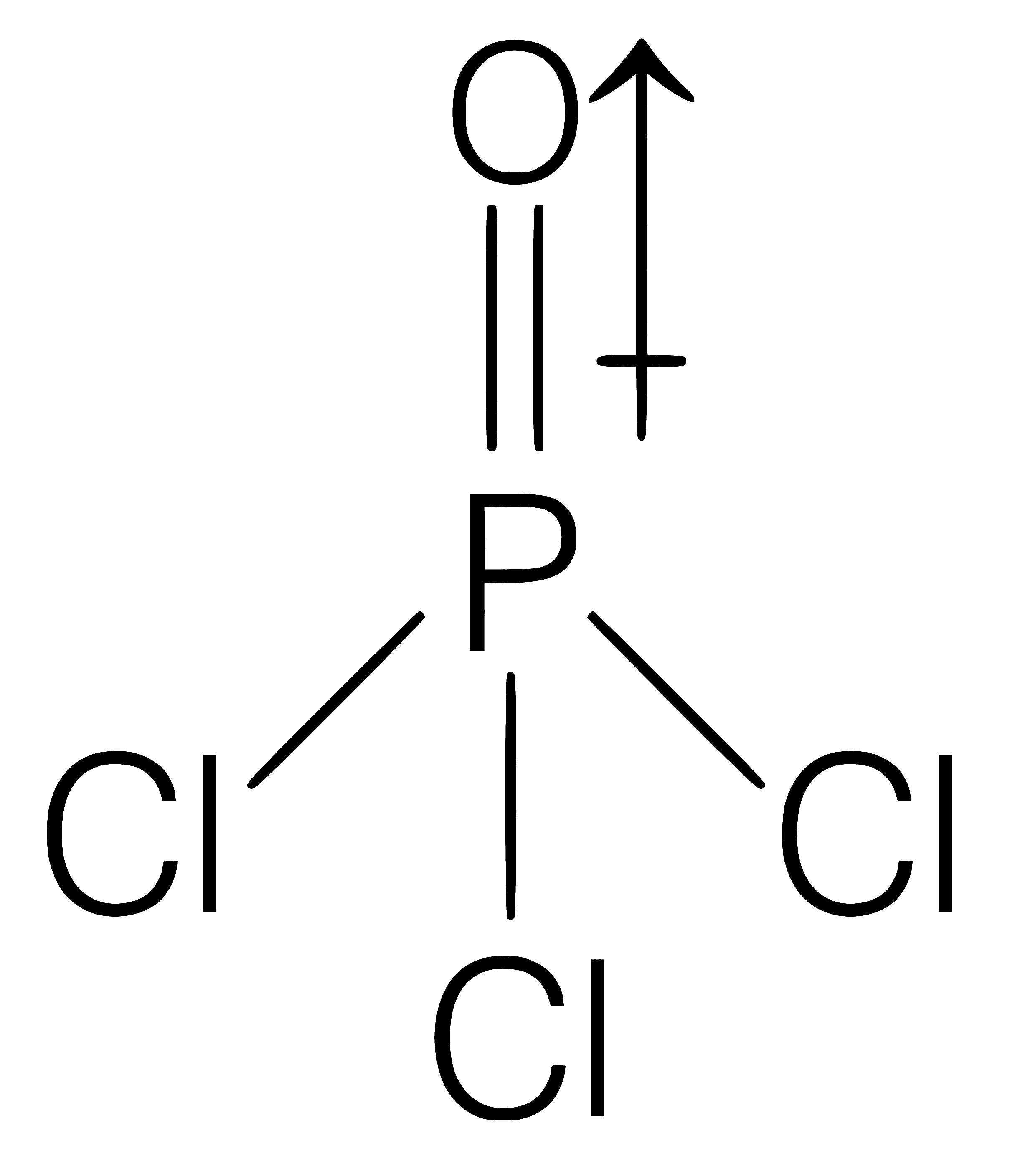
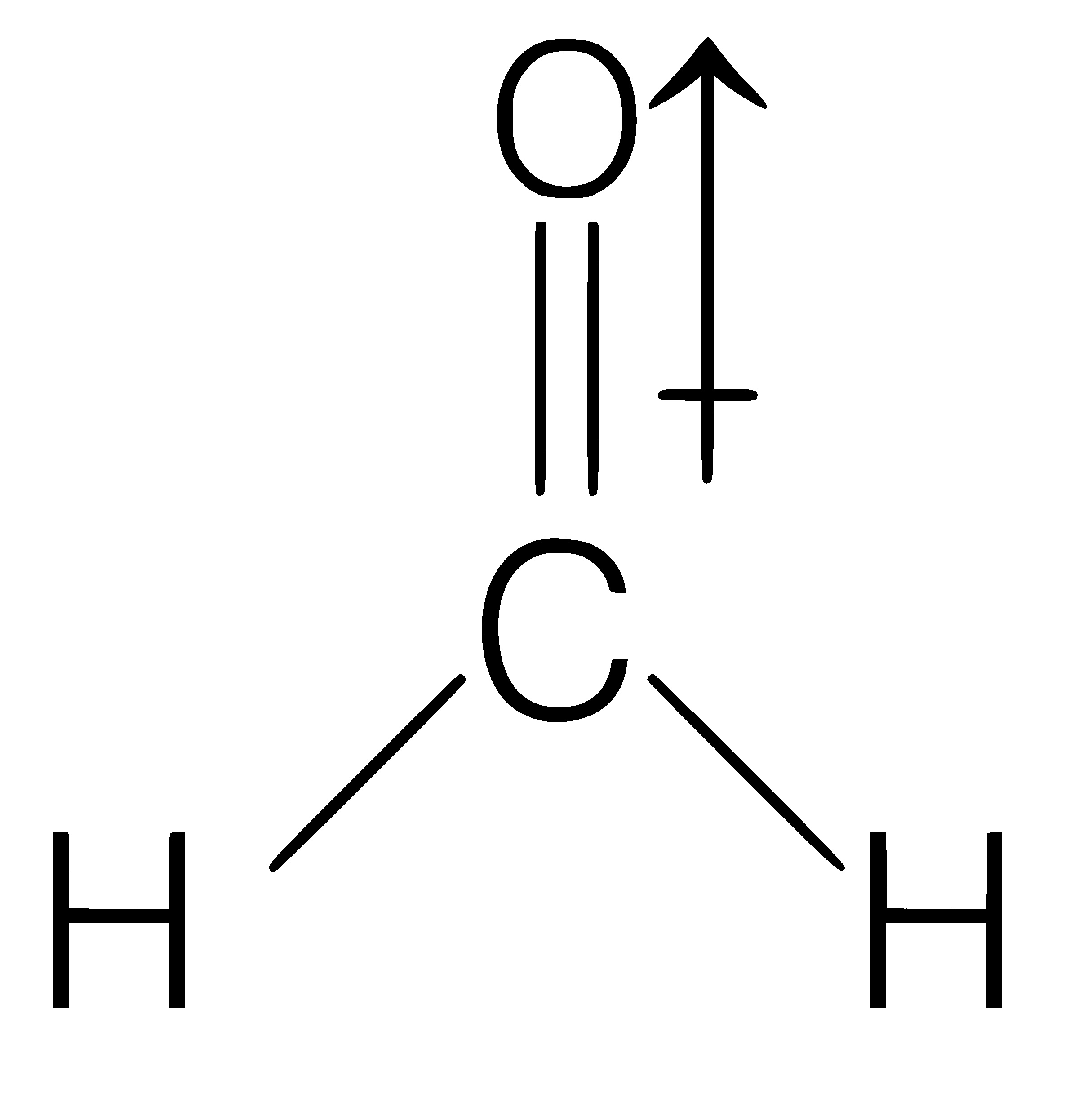
| (a) | (i) | Square pyramidal | |
| (b) | (ii) | Trigonal planar | |
| (c) | (iii) | Octahedral | |
| (d) | (iv) | Trigonal bipyramidal |


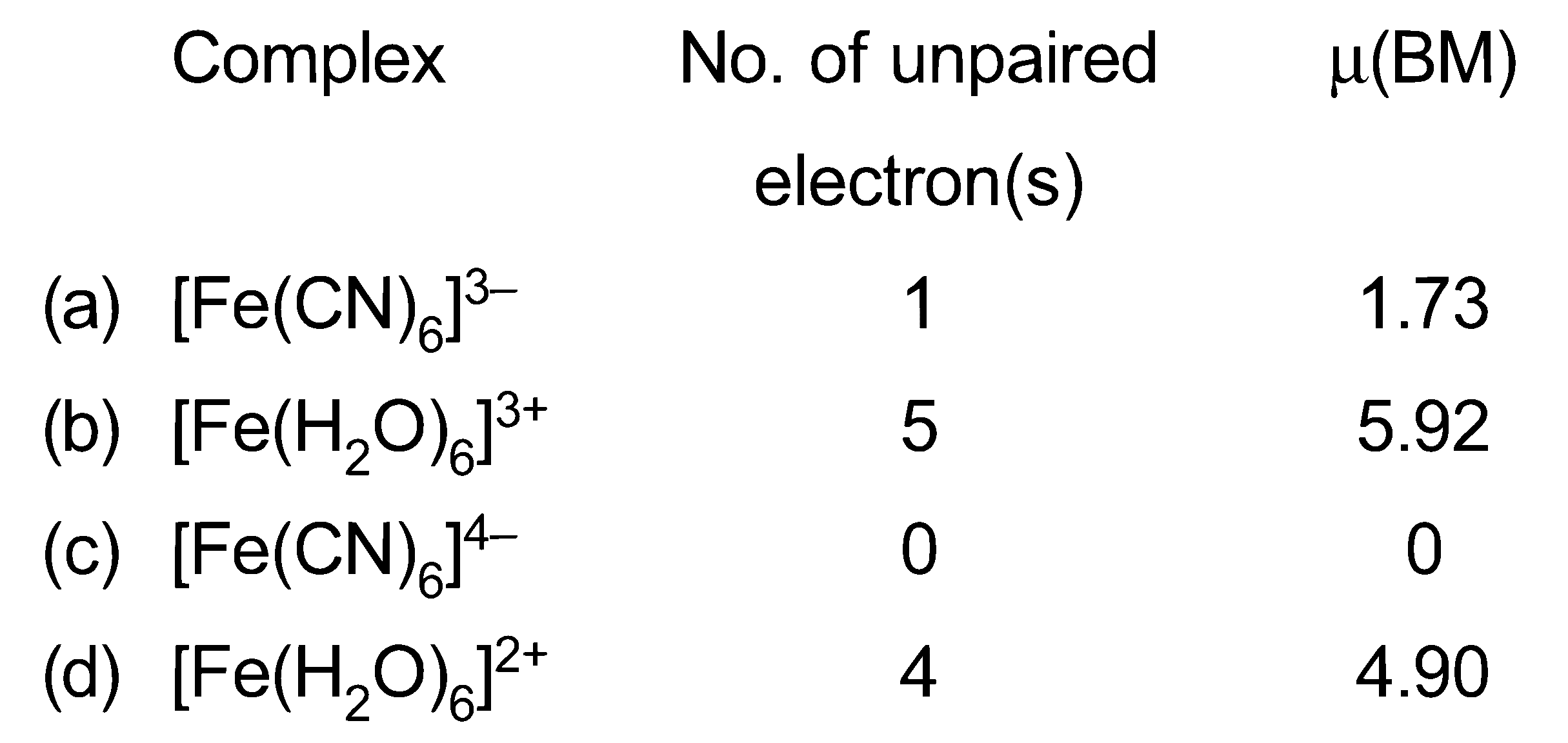
| List-I | List-II | ||
|---|---|---|---|
| (a) | (i) | 5.92 BM | |
| (b) | (ii) | 0 BM | |
| (c) | (iii) | 4.90 BM | |
| (d) | (iv) | 1.73 BM |

| List-I | List-II | ||
|---|---|---|---|
| (a) | (i) | Acid rain | |
| (b) | (ii) | Smog | |
| (c) | (iii) | Ozone depletion | |
| (d) | (iv) | Tropospheric pollution |


To determine the correctness of the given statements, we need to understand the classifications of analgesics (pain relievers).
Statement I: "Aspirin and Paracetamol belong to the class of narcotic analgesics."
This statement is incorrect. Aspirin and Paracetamol are classified as non-narcotic (or non-opioid) analgesics. They are commonly used for pain relief and fever reduction without the addictive properties associated with narcotic analgesics.
Statement II: "Morphine and Heroin are non-narcotic analgesics."
This statement is also incorrect. Morphine and Heroin are classified as narcotic (or opioid) analgesics. These drugs are derived from opium and have strong pain-relieving properties, but they also have a high potential for addiction and abuse.
Therefore, the correct answer is:
Option C: Both Statement I and Statement II are false.
| List-I | List-II | ||
|---|---|---|---|
| (a) | Cristae | (i) | Primary constriction in chromosome |
| (b) | Thylakoids | (ii) | Disc-shaped sacs in Golgi apparatus |
| (c) | Centromere | (iii) | Infoldings in mitochondria |
| (d) | Cisternae | (iv) | Flattened membranous sacs in stroma of plastids |
| (a) | (b) | (c) | (d) |
|---|---|---|---|
| (ii) | (iii) | (iv) | (i) |
| (a) | (b) | (c) | (d) |
|---|---|---|---|
| (iv) | (iii) | (ii) | (i) |
| (a) | (b) | (c) | (d) |
|---|---|---|---|
| (i) | (iv) | (iii) | (ii) |
| (a) | (b) | (c) | (d) |
|---|---|---|---|
| (iii) | (iv) | (i) | (ii) |
| List-I | List-II | ||
|---|---|---|---|
| (a) | Protein | (i) | C = C double bonds |
| (b) | Unsaturated fatty acid | (ii) | Phosphodiester bonds |
| (c) | Nucleic acid | (iii) | Glycosidic bonds |
| (d) | Polysaccharide | (iv) | Peptide bonds |
| (a) | (b) | (c) | (d) |
|---|---|---|---|
| (iv) | (iii) | (i) | (ii) |
| (a) | (b) | (c) | (d) |
|---|---|---|---|
| (iv) | (i) | (ii) | (iii) |
| (a) | (b) | (c) | (d) |
|---|---|---|---|
| (i) | (iv) | (iii) | (ii) |
| (a) | (b) | (c) | (d) |
|---|---|---|---|
| (ii) | (i) | (iv) | (iii) |
| List-I | List-II | ||
|---|---|---|---|
| (a) | S phase | (i) | Proteins are synthesized |
| (b) | phase | (ii) | Inactive phase |
| (c) | Quiescent stage | (iii) | Interval between mitosis and initiation of DNA replication |
| (d) | phase | (iv) | DNA replication |
| (a) | (b) | (c) | (d) |
|---|---|---|---|
| (ii) | (iv) | (iii) | (i) |
| (a) | (b) | (c) | (d) |
|---|---|---|---|
| (iii) | (ii) | (i) | (iv) |
| (a) | (b) | (c) | (d) |
|---|---|---|---|
| (iv) | (ii) | (iii) | (i) |
| (a) | (b) | (c) | (d) |
|---|---|---|---|
| (iv) | (i) | (ii) | (iii) |
| List-I | List-II | ||
|---|---|---|---|
| (a) | Aspergillus niger | (i) | Acetic Acid |
| (b) | Acetobacter aceti | (ii) | Lactice Acid |
| (c) | Clostridium butylicum | (iii) | Citric Acid |
| (d) | Lactobacillus | (iv) | Butyric Acid |
| (a) | (b) | (c) | (d) |
|---|---|---|---|
| (iv) | (ii) | (i) | (iii) |
| (a) | (b) | (c) | (d) |
|---|---|---|---|
| (iii) | (i) | (iv) | (ii) |
| (a) | (b) | (c) | (d) |
|---|---|---|---|
| (i) | (ii) | (iii) | (iv) |
| (a) | (b) | (c) | (d) |
|---|---|---|---|
| (ii) | (iii) | (i) | (iv) |
| List-I | List-II | ||
|---|---|---|---|
| (a) | Lenticels | (i) | Phellogen |
| (b) | Cork cambium | (ii) | Suberin deposition |
| (c) | Secondary cortex | (iii) | Exchange of gases |
| (d) | Cork | (iv) | Phelloderm |
| (a) | (b) | (c) | (d) |
|---|---|---|---|
| (iv) | (ii) | (i) | (iii) |
| (a) | (b) | (c) | (d) |
|---|---|---|---|
| (iv) | (i) | (iii) | (ii) |
| (a) | (b) | (c) | (d) |
|---|---|---|---|
| (iii) | (i) | (iv) | (ii) |
| (a) | (b) | (c) | (d) |
|---|---|---|---|
| (ii) | (iii) | (iv) | (i) |
| List-I | List-II | ||
|---|---|---|---|
| (a) | Cells with active cell division capacity | (i) | Vascular tissues |
| (b) | Tissue having all cells similar in structure and function | (ii) | Meristematic tissue |
| (c) | Tissue having different types of cells | (iii) | Sclereids |
| (d) | Dead cells with highly thickened walls and narrow lumen | (iv) | Simple tissue |
| (a) | (b) | (c) | (d) |
|---|---|---|---|
| (iii) | (ii) | (iv) | (i) |
| (a) | (b) | (c) | (d) |
|---|---|---|---|
| (ii) | (iv) | (i) | (iii) |
| (a) | (b) | (c) | (d) |
|---|---|---|---|
| (iv) | (iii) | (ii) | (i) |
| (a) | (b) | (c) | (d) |
|---|---|---|---|
| (i) | (ii) | (iii) | (iv) |
| List-I | List-II | ||
|---|---|---|---|
| (a) | Cohesion | (i) | More attraction in liquid phase |
| (b) | Adhesion | (ii) | Mutual attraction among water molecules |
| (c) | Surface tension | (iii) | Water loss in liquid phase |
| (d) | Guttation | (iv) | Attraction towards polar surfaces |
| (a) | (b) | (c) | (d) |
|---|---|---|---|
| (ii) | (i) | (iv) | (iii) |
| (a) | (b) | (c) | (d) |
|---|---|---|---|
| (ii) | (iv) | (i) | (iii) |
| (a) | (b) | (c) | (d) |
|---|---|---|---|
| (iv) | (iii) | (ii) | (i) |
| (a) | (b) | (c) | (d) |
|---|---|---|---|
| (iii) | (i) | (iv) | (ii) |
| Column-I | Column-II | ||
|---|---|---|---|
| (a) | Nitrococcus | (i) | Denitrification |
| (b) | Rhizobium | (ii) | Conversion of ammonia to nitrite |
| (c) | Thiobacillus | (iii) | Conversion of nitrite to nitrate |
| (d) | Nitrobacter | (iv) | Conversion of atmospheric nitrogen to ammonia |
| (a) | (b) | (c) | (d) |
|---|---|---|---|
| (iv) | (iii) | (ii) | (i) |
| (a) | (b) | (c) | (d) |
|---|---|---|---|
| (ii) | (iv) | (i) | (iii) |
| (a) | (b) | (c) | (d) |
|---|---|---|---|
| (i) | (ii) | (iii) | (iv) |
| (a) | (b) | (c) | (d) |
|---|---|---|---|
| (iii) | (i) | (iv) | (ii) |
| List-I | List-II | ||
|---|---|---|---|
| (a) | Protpolast fusion | (i) | Totipotency |
| (b) | Plant tissue culture | (ii) | Pomato |
| (c) | Meristem culture | (iii) | Somaclones |
| (d) | Micropropagation | (iv) | Virus free plants |
| (a) | (b) | (c) | (d) |
|---|---|---|---|
| (iv) | (iii) | (ii) | (i) |
| (a) | (b) | (c) | (d) |
|---|---|---|---|
| (iii) | (iv) | (ii) | (i) |
| (a) | (b) | (c) | (d) |
|---|---|---|---|
| (ii) | (i) | (iv) | (iii) |
| (a) | (b) | (c) | (d) |
|---|---|---|---|
| (iii) | (iv) | (i) | (ii) |

| (a) | (b) | (c) | (d) |
|---|---|---|---|
| (iv) | (ii) | (i) | (iii) |
| (a) | (b) | (c) | (d) |
|---|---|---|---|
| (iii) | (iv) | (ii) | (i) |
| (a) | (b) | (c) | (d) |
|---|---|---|---|
| (i) | (ii) | (iii) | (iv) |
| (a) | (b) | (c) | (d) |
|---|---|---|---|
| (ii) | (iii) | (iv) | (i) |


| List-I | List-II | ||
|---|---|---|---|
| (a) | Allen's Rule | (i) | Kangaroo rat |
| (b) | Physiological adaptation | (ii) | Desert lizard |
| (c) | Behavioural adaptation | (iii) | Marine fish at depth |
| (d) | Biochemical adaptation | (iv) | Polar seal |
| (a) | (b) | (c) | (d) |
|---|---|---|---|
| (iv) | (iii) | (ii) | (i) |
| (a) | (b) | (c) | (d) |
|---|---|---|---|
| (iv) | (ii) | (iii) | (i) |
| (a) | (b) | (c) | (d) |
|---|---|---|---|
| (iv) | (i) | (iii) | (ii) |
| (a) | (b) | (c) | (d) |
|---|---|---|---|
| (iv) | (i) | (ii) | (iii) |
The correct answer is Option D: ELISA Technique.
Explanation:
Option A: Hybridization Technique - This technique, including Fluorescent In Situ Hybridization (FISH), involves the pairing of single-stranded DNA or RNA molecules with complementary sequences, allowing the detection of specific nucleic acids within a complex mixture. It's widely used for gene mapping, diagnosis of genetic disorders, and identification of infectious agents. However, its application is more towards locating specific sequences rather than early detection of diseases.
Option B: Western Blotting Technique - This is a protein analysis method that involves the separation of proteins via gel electrophoresis, followed by their transfer to a membrane and detection using antibodies. It's used for identifying specific proteins in a sample and understanding protein size or abundance, but it is not primarily used for early disease detection.
Option C: Southern Blotting Technique - This method involves the transfer of DNA fragments from an agarose gel to a membrane followed by hybridization with a labeled DNA probe to detect specific DNA sequences. It's widely used in molecular biology for gene detection and mapping but not necessarily for early disease detection.
Option D: ELISA Technique - The Enzyme-Linked Immunosorbent Assay (ELISA) is a popular technique used for detecting and quantifying substances such as peptides, proteins, antibodies, and hormones. In the context of disease detection, ELISA is exceptionally valuable because it can be used to detect specific antigens or antibodies in blood samples, making it a crucial tool for early diagnosis of diseases. This might include viral infections (like HIV), bacterial infections, and autoimmune diseases. Its sensitivity and specificity make ELISA particularly useful for early detection, when the levels of the target molecule might be very low but detecting it is critical for effective treatment.
Therefore, for early detection of diseases, the ELISA Technique stands out among the options given for its ability to detect specific biomolecules related to diseases at an early stage, facilitating early diagnosis and treatment.
| List-I | List-II | ||
|---|---|---|---|
| (a) | Filariasis | (i) | Haemophilus influenzae |
| (b) | Amoebiasis | (ii) | Trichophyton |
| (c) | Pneumonia | (iii) | Wuchereria bancrofti |
| (d) | Ringworm | (iv) | Entamoeba histolytica |
| (a) | (b) | (c) | (d) |
|---|---|---|---|
| (ii) | (iii) | (i) | (iv) |
| (a) | (b) | (c) | (d) |
|---|---|---|---|
| (iv) | (i) | (iii) | (ii) |
| (a) | (b) | (c) | (d) |
|---|---|---|---|
| (iii) | (iv) | (i) | (ii) |
| (a) | (b) | (c) | (d) |
|---|---|---|---|
| (i) | (ii) | (iv) | (iii) |
| List-I | List-II | ||
|---|---|---|---|
| (a) | Scapula | (i) | Cartilaginous joints |
| (b) | Cranium | (ii) | Flat bone |
| (c) | Sternum | (iii) | Fibrous joints |
| (d) | Vertebral column | (iv) | Triangular flat bone |
| (a) | (b) | (c) | (d) |
|---|---|---|---|
| (iv) | (iii) | (ii) | (i) |
| (a) | (b) | (c) | (d) |
|---|---|---|---|
| (i) | (iii) | (ii) | (iv) |
| (a) | (b) | (c) | (d) |
|---|---|---|---|
| (ii) | (iii) | (iv) | (i) |
| (a) | (b) | (c) | (d) |
|---|---|---|---|
| (iv) | (ii) | (iii) | (i) |
| List-I | List-II | ||
|---|---|---|---|
| (a) | Vaults | (i) | Entry of sperm through Cervix is blocked |
| (b) | IUDs | (ii) | Removal of Vas deferens |
| (c) | Vasectomy | (iii) | Phagocytosis of sperms within the Uterus |
| (d) | Tubectomy | (iv) | Removal of fallopian tube |
| (a) | (b) | (c) | (d) |
|---|---|---|---|
| (iii) | (i) | (iv) | (ii) |
| (a) | (b) | (c) | (d) |
|---|---|---|---|
| (iv) | (ii) | (i) | (iii) |
| (a) | (b) | (c) | (d) |
|---|---|---|---|
| (i) | (iii) | (ii) | (iv) |
| (a) | (b) | (c) | (d) |
|---|---|---|---|
| (ii) | (iv) | (iii) | (i) |
Erythropoietin is a hormone that plays a crucial role in the production of red blood cells (RBCs), also known as erythropoiesis. This hormone is primarily produced in response to hypoxia, which is a condition characterized by low oxygen levels in the blood. It functions by stimulating the bone marrow to increase the production of RBCs, thereby enhancing the blood's oxygen-carrying capacity.
To address the specific options provided:
Option A: Juxtaglomerular cells of the kidney
This is the correct answer. Juxtaglomerular cells, which are located in the kidneys, are primarily responsible for the production and secretion of erythropoietin. When the kidneys sense a decrease in oxygen levels in the blood, the juxtaglomerular cells respond by releasing erythropoietin, which then travels to the bone marrow to stimulate RBC production.
Option B: Alpha cells of pancreas
This is incorrect. The alpha cells of the pancreas are responsible for producing the hormone glucagon, which plays a key role in blood glucose regulation by promoting the release of glucose from stored glycogen in the liver.
Option C: The cells of rostral adenohypophysis
This is incorrect. The rostral adenohypophysis refers to the anterior part of the pituitary gland, which secretes various hormones, but not erythropoietin. The anterior pituitary's hormones include growth hormone, prolactin, and adrenocorticotropic hormone (ACTH), among others.
Option D: The cells of bone marrow
This is incorrect. While the bone marrow is the site where RBCs are produced, it does not produce erythropoietin. Instead, it is the target of erythropoietin, which stimulates the bone marrow cells to proliferate and differentiate into red blood cells.
Therefore, the correct answer is:
Option A: Juxtaglomerular cells of the kidney
| List-I | List-II | ||
|---|---|---|---|
| (a) | Physalia | (i) | Pearl oyster |
| (b) | Limulus | (ii) | Portuguese Man of War |
| (c) | Ancylostoma | (iii) | Living fossil |
| (d) | Pinctada | (iv) | Hookworm |
| (a) | (b) | (c) | (d) |
|---|---|---|---|
| (i) | (iv) | (iii) | (ii) |
| (a) | (b) | (c) | (d) |
|---|---|---|---|
| (ii) | (iii) | (i) | (iv) |
| (a) | (b) | (c) | (d) |
|---|---|---|---|
| (iv) | (i) | (iii) | (ii) |
| (a) | (b) | (c) | (d) |
|---|---|---|---|
| (ii) | (iii) | (iv) | (i) |
| List-I | List-II | ||
|---|---|---|---|
| (a) | Metamerism | (i) | Coelenterata |
| (b) | Canal system | (ii) | Ctenophora |
| (c) | Comb plates | (iii) | Annelida |
| (d) | Cnidoblasts | (iv) | Porifera |
| (a) | (b) | (c) | (d) |
|---|---|---|---|
| (iv) | (i) | (ii) | (iii) |
| (a) | (b) | (c) | (d) |
|---|---|---|---|
| (iv) | (iii) | (i) | (ii) |
| (a) | (b) | (c) | (d) |
|---|---|---|---|
| (iii) | (iv) | (i) | (ii) |
| (a) | (b) | (c) | (d) |
|---|---|---|---|
| (iii) | (iv) | (ii) | (i) |
| List-I | List-II | ||
|---|---|---|---|
| (a) | Adaptive radiation | (i) | Selection of resistant varieties due to excessive use of herbicides and pesticides |
| (b) | Convergent evolution | (ii) | Bones of forelimbs in Man and Whale |
| (c) | Divergent evolution | (iii) | Wings of Butterfly and Bird |
| (d) | Evolution by anthropogenic action | (iv) | Darwin Finches |
| (a) | (b) | (c) | (d) |
|---|---|---|---|
| (i) | (iv) | (iii) | (ii) |
| (a) | (b) | (c) | (d) |
|---|---|---|---|
| (iv) | (iii) | (ii) | (i) |
| (a) | (b) | (c) | (d) |
|---|---|---|---|
| (iii) | (ii) | (i) | (iv) |
| (a) | (b) | (c) | (d) |
|---|---|---|---|
| (ii) | (i) | (iv) | (iii) |