Q.1
The diameter of a spherical bob, when measured with vernier callipers yielded the following values : and . The mean diameter to appropriate significant figures is :
(A)
(B)
(C)
(D)
(C)
The diameter of a spherical bob, when measured with vernier callipers yielded the following values : and . The mean diameter to appropriate significant figures is :
The mechanical quantity, which has dimensions of reciprocal of mass is :
Angular momentum
Coeff of thermal conductivity
Torque
Gravitational constant
So, gravitational constant has power of of .
The position of a particle is given by
where is in seconds and in metre. Find the magnitude and direction of velocity , at , with respect to -axis
A ball is projected from point A with velocity at an angle to the horizontal direction. At the highest point of the path (as shown in figure), the velocity of the ball will be:
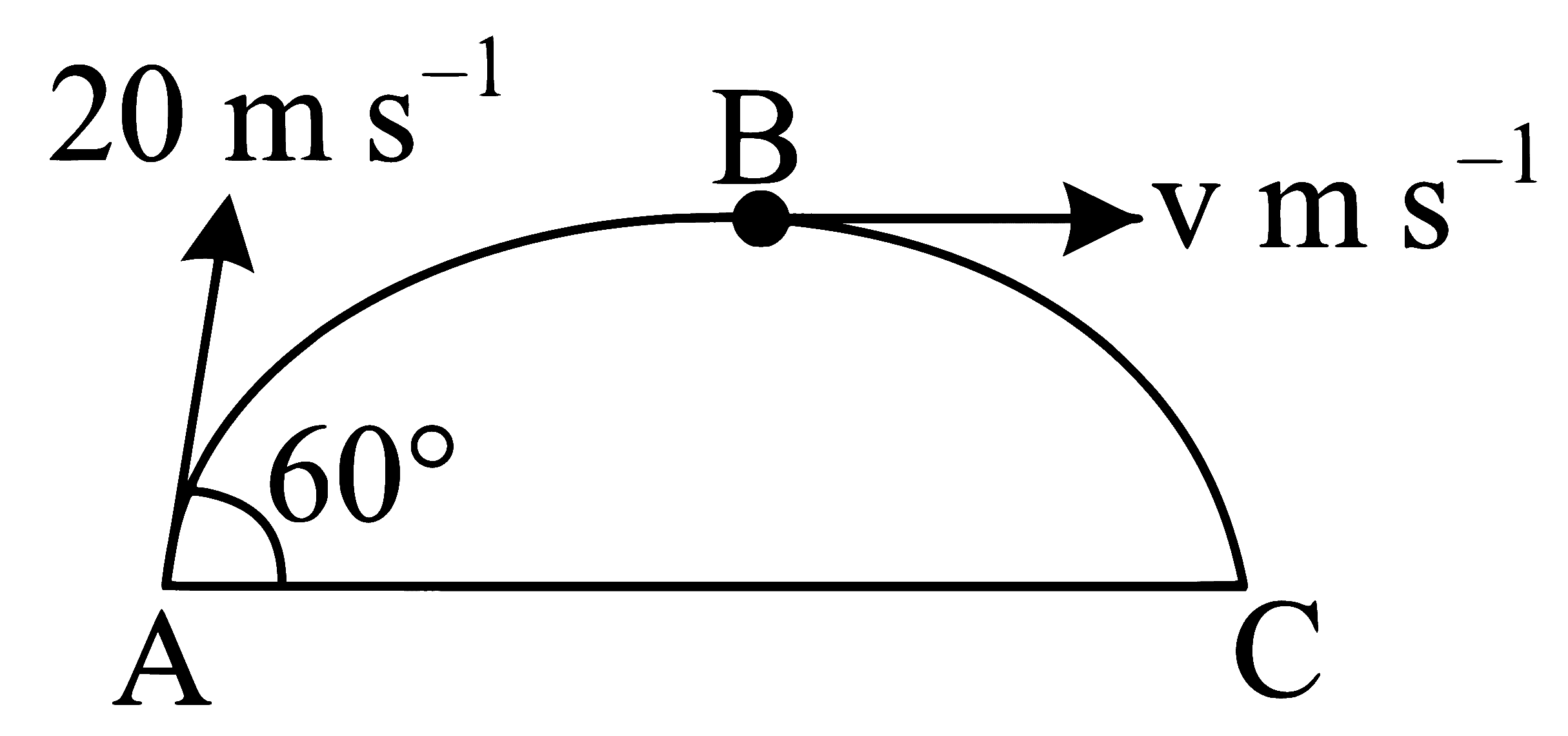
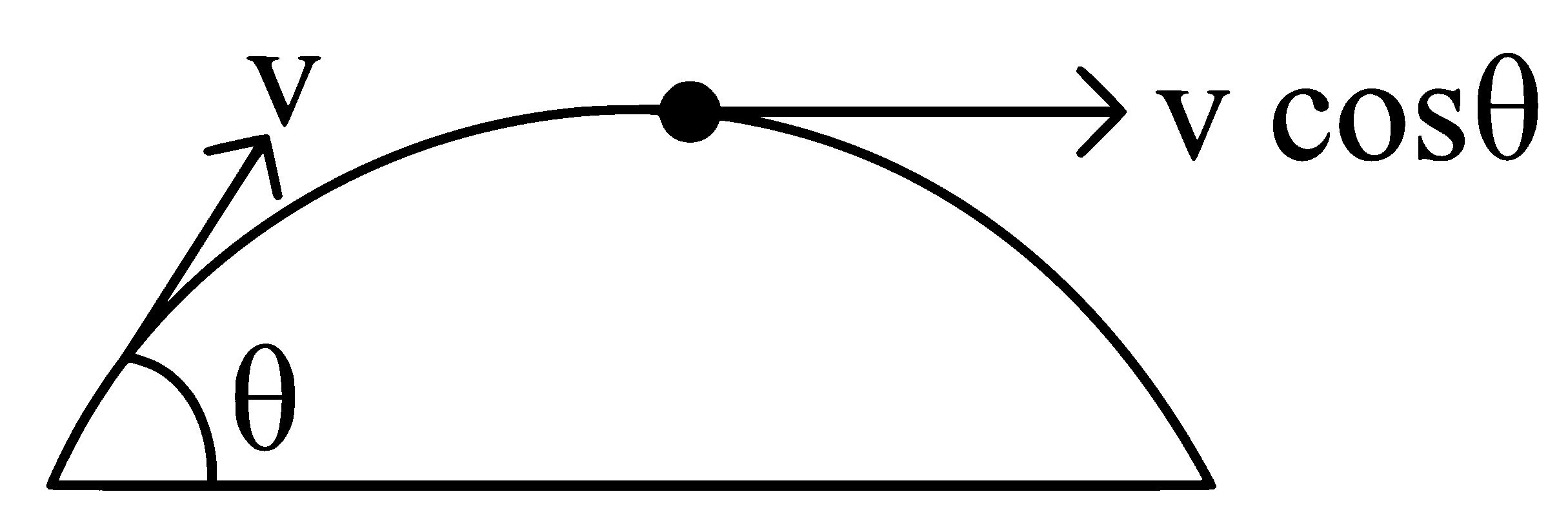
At the top most point of its trajectory particle will have only horizontal component of velocity
A particle is executing uniform circular motion with velocity and acceleration . Which of the following is true?
Direction of velocity and centripetal acceleration changes continuously so is not constant and is not a constant.
A block of mass 2 kg is placed on inclined rough surface AC (as shown in figure) of coefficient of friction . If g = 10 m s, the net force (in N) on the block will be:
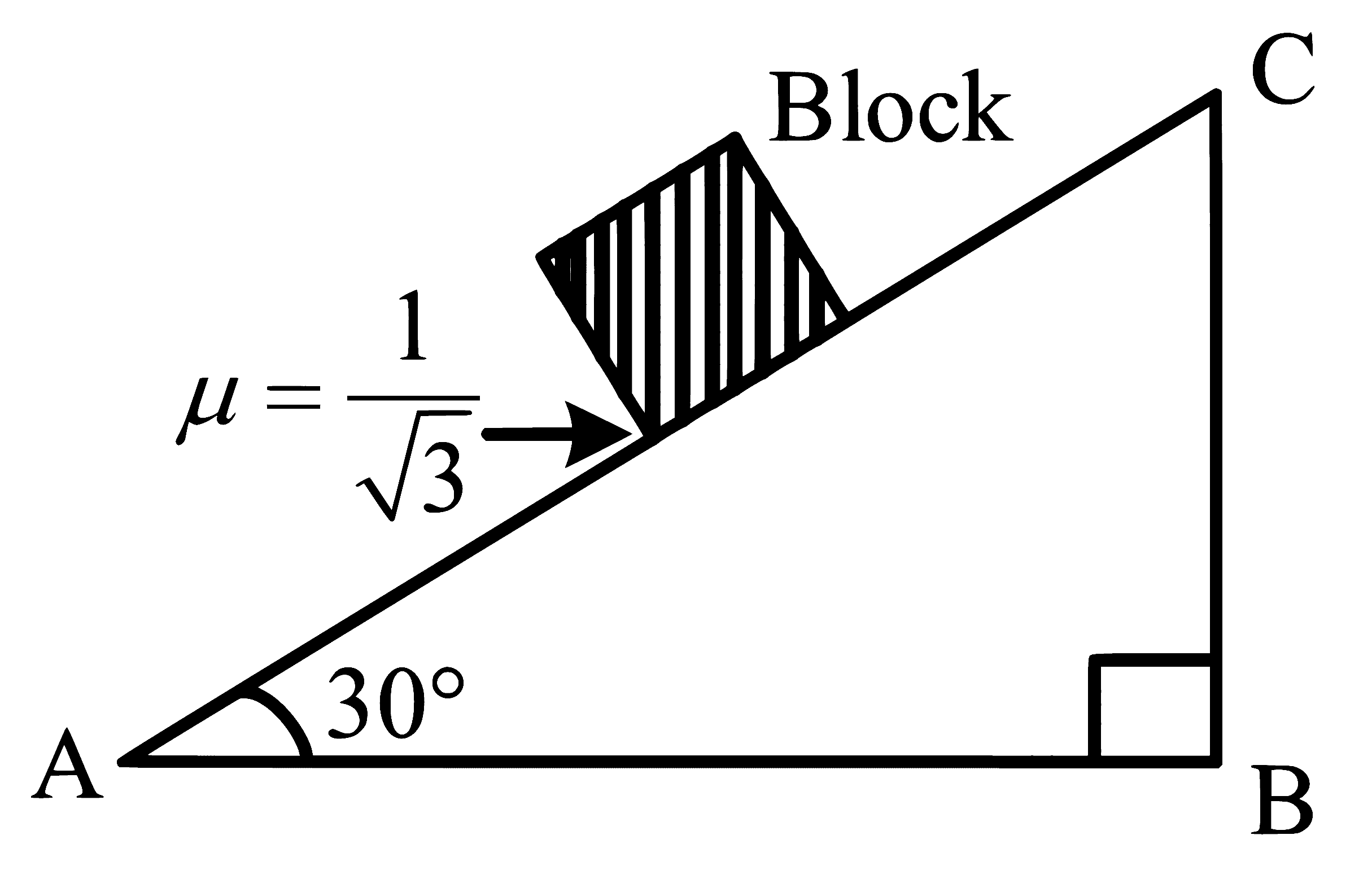
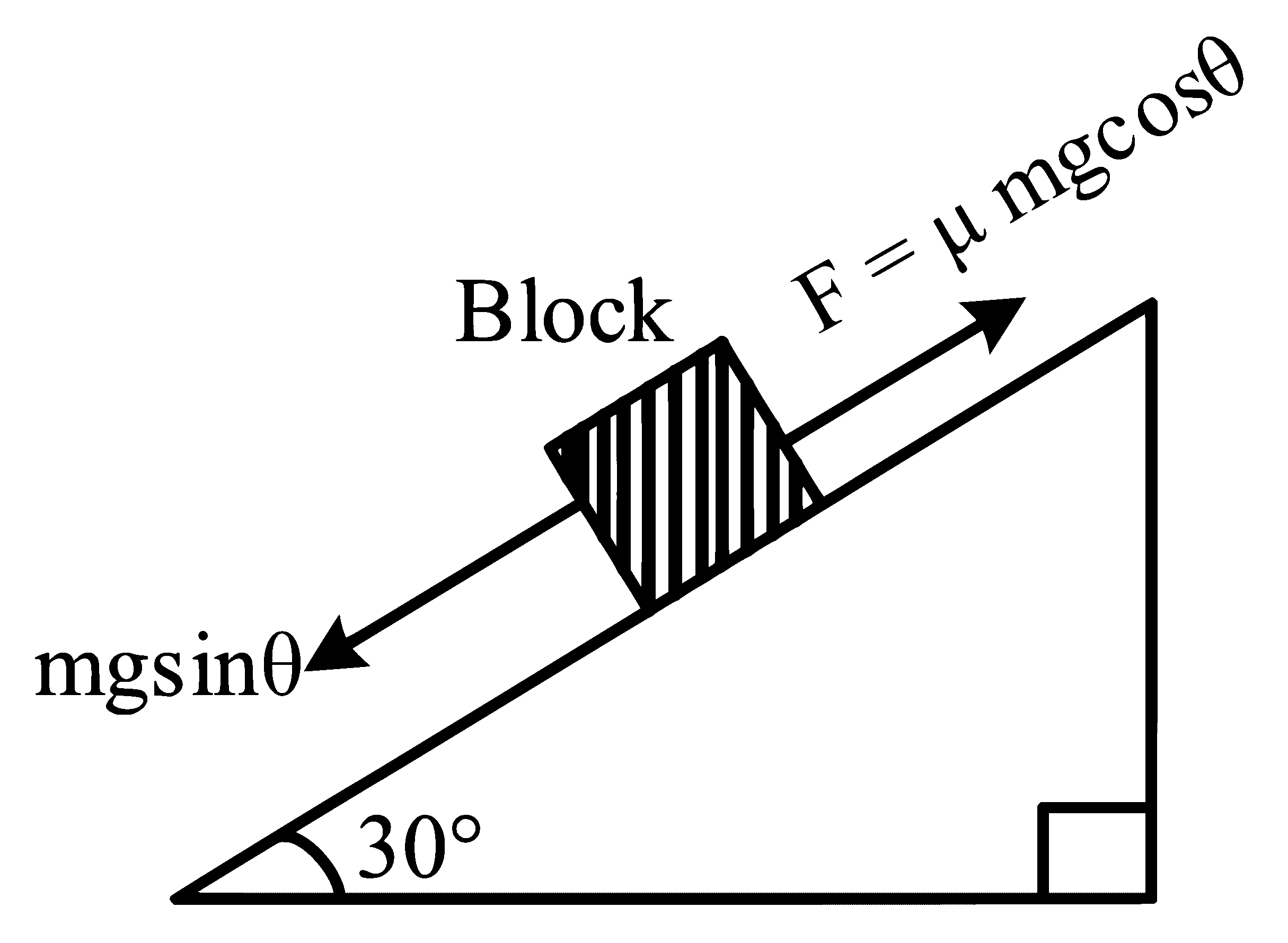
as
the block is at rest and net force on it must be zero.
A particle moves with a velocity horizontally under the action of constant force . The instantaneous power supplied to the particle is :
A bullet of mass hits a block of mass elastically. The transfer of energy is the maximum, when :
In elastic collision maximum energy is transfer when
Two particles A and B initially at rest, move towards each other under mutual force of attraction. At an instance when the speed of A is v and speed of B is 3v, the speed of centre of mass is :
Final velocity of centre of mass = Initial velocity of centre of mass = 0 because net external force on system is zero.
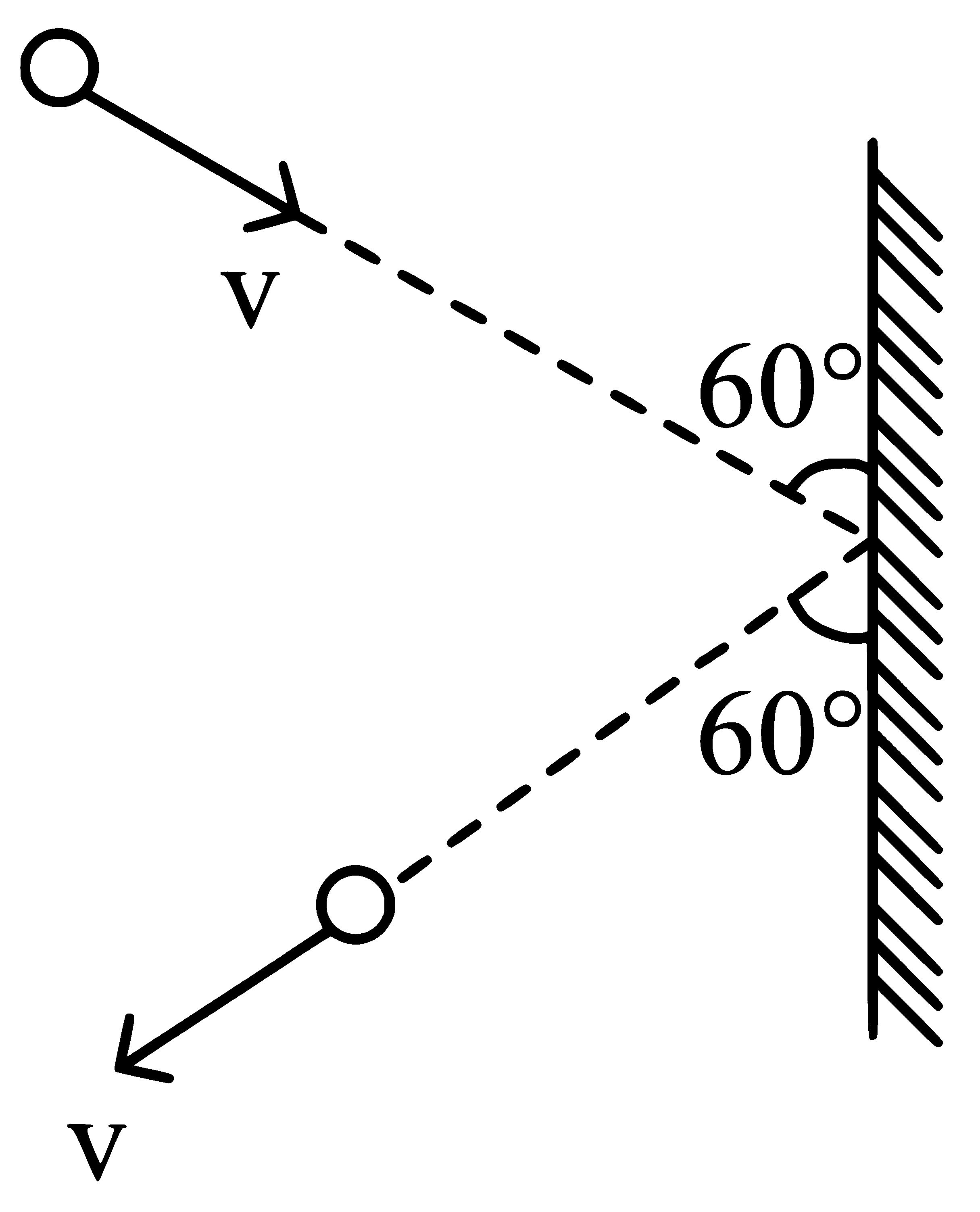
A object strikes a wall with velocity at an angle of with the wall and reflects at the same angle. If it remains in contact with wall for , then the force exerted on the wall is :
A constant torque of turns a wheel of moment of inertia about an axis passing through its centre. Starting from rest, its angular velocity after is :-
The escape velocity of a body on the earth surface is . If the same body is projected upward with velocity , the velocity of this body at infinite distance from the centre of the earth will be:
Given than
So,
If is the radius of the earth and is the acceleration due to gravity on the earth surface. Then the mean density of the earth will be :
The amount of elastic potential energy per unit volume (in SI unit) of a steel wire of length to stretch it by is (if Young's modulus of the wire ) :
Which of the following statement is not true?
Pressure is a scalar quantity.
The viscous drag acting on a metal sphere of diameter , falling through a fluid of viscosity s with a velocity of is equal to :
For the given cycle, the work done during isobaric process is:
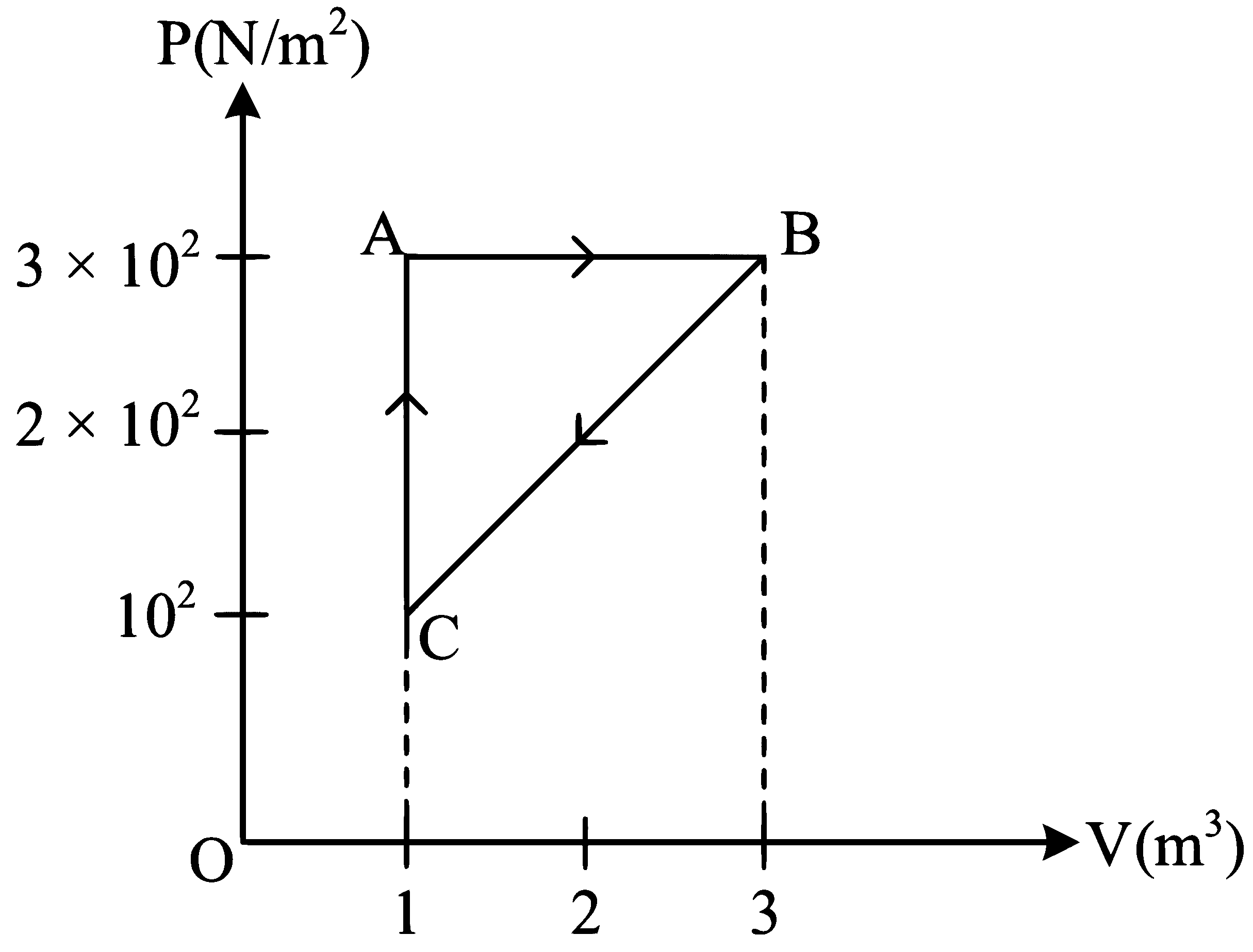
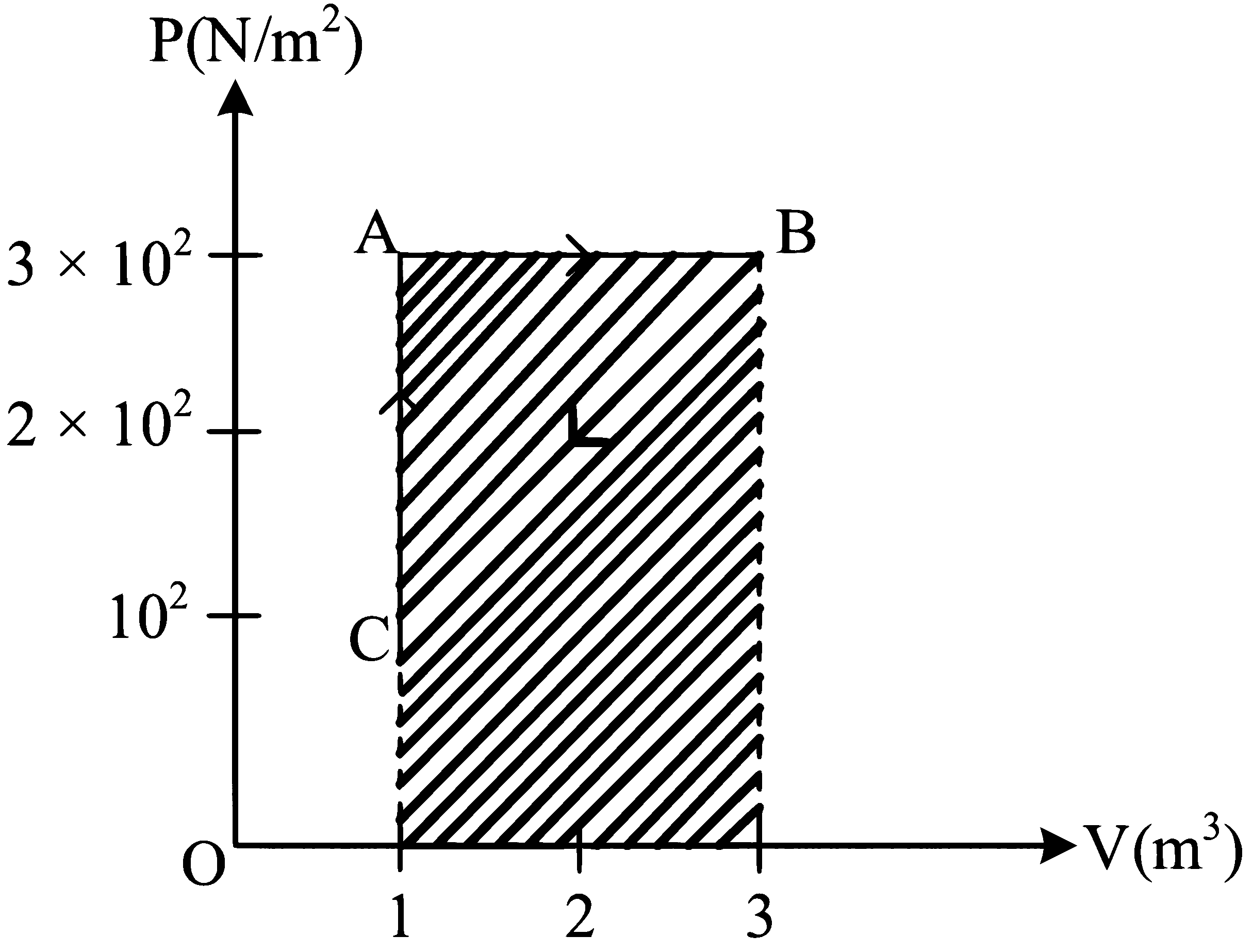
is isobaric process
A container of volume contains 0.2 mole of hydrogen gas and 0.3 mole of argon gas. The pressure of the system at temperature () will be :-
A simple pendulum oscillating in air has a period of . If it is completely immersed in non-viscous liquid, having density of the material of the bob, the new period will be :-
The overtone of a closed organ pipe is same as that of overtone of an open pipe. The ratio of the length of the closed pipe to the length of the open pipe is :
According to Gauss law of electrostatics, electric flux through a closed surface depends on :
only depends on charge enclosed by surface.
A charge is placed at the centre of a cube. The flux coming out from any one of its faces will be (in SI unit) :
The Gaussian surface for the charge placed at the center of the cube will spread out equally through all sides of the cube. According to Gauss's Law, electric flux through a closed surface is equal to the charge enclosed divided by the permittivity of free space :
Given that the cube has 6 faces, and due to symmetry, the flux through each face will be equal, the flux through any one face is:
Since the charge is given in microcoulombs (), we need to convert it to coulombs by multiplying with :
This matches option D, which means the correct flux through one face of the cube given a charge Q microcoulombs at the center is .
If a conducting sphere of radius is charged. Then the electric field at a distance from the centre of the sphere would be, potential on the surface of the sphere)
A certain wire has resistance . The resistance of another wire of same material and equal length but of diameter thrice the diameter of A will be :
If diameter becomes thrice then cross section area will become 9 times so
Resistance will become times
A copper wire of radius contains free electrons per cubic metre. The drift velocity for free electrons when current flows through the wire will be (Given, charge on electron ) :
The emf of a cell having internal resistance is balanced against a length of on a potentiometer wire. When an external resistance of is connected across the cell, the balancing length will be :
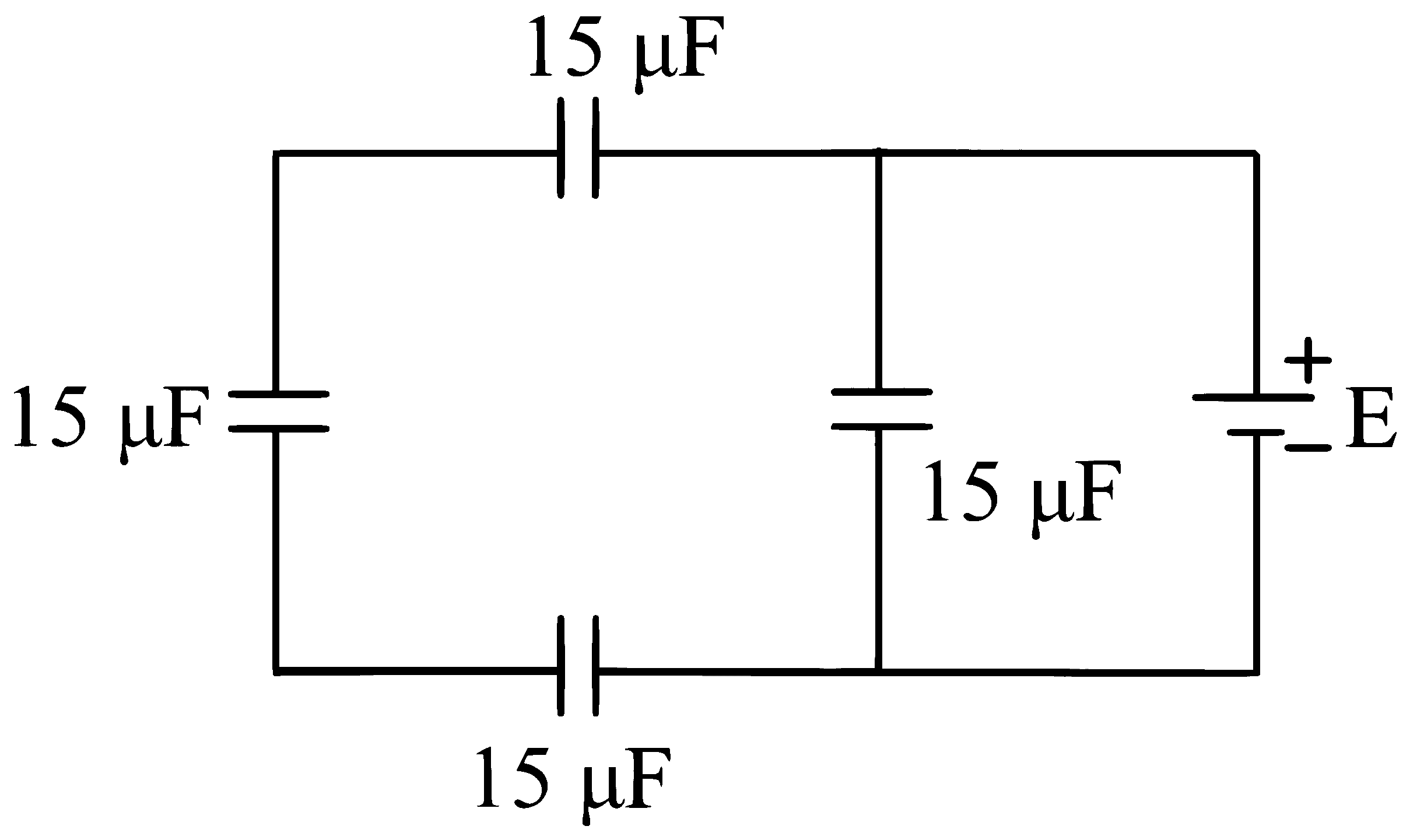
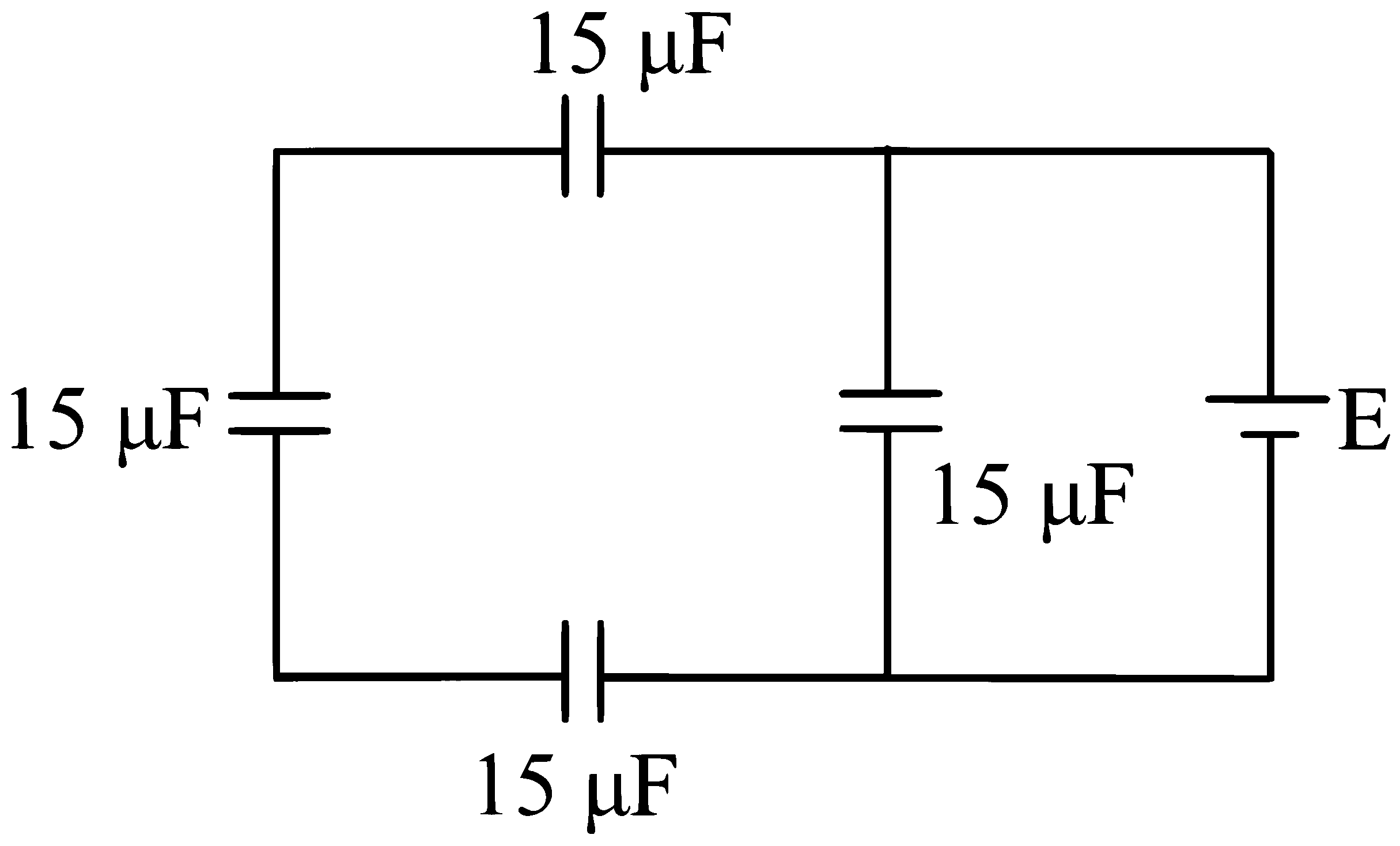
The equivalent capacitance of the arrangement shown in figure is:
To produce an instantaneous displacement current of in the space between the parallel plates of a capacitor of capacitance , the rate of change of applied variable potential difference must be :-
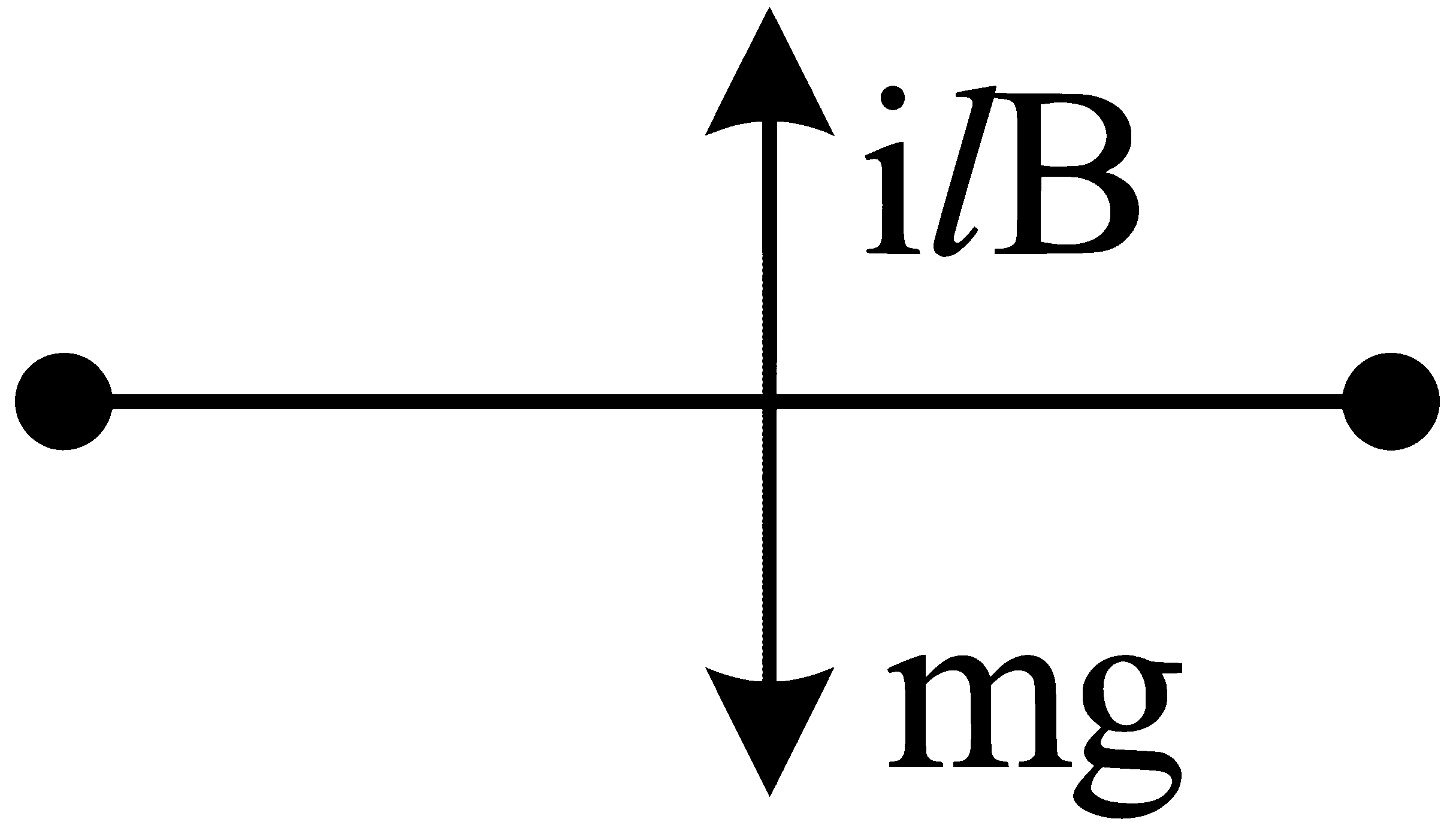
A long straight wire of length and mass is suspended horizontally in a uniform horizontal magnetic field of . The amount of current flowing through the wire will be :
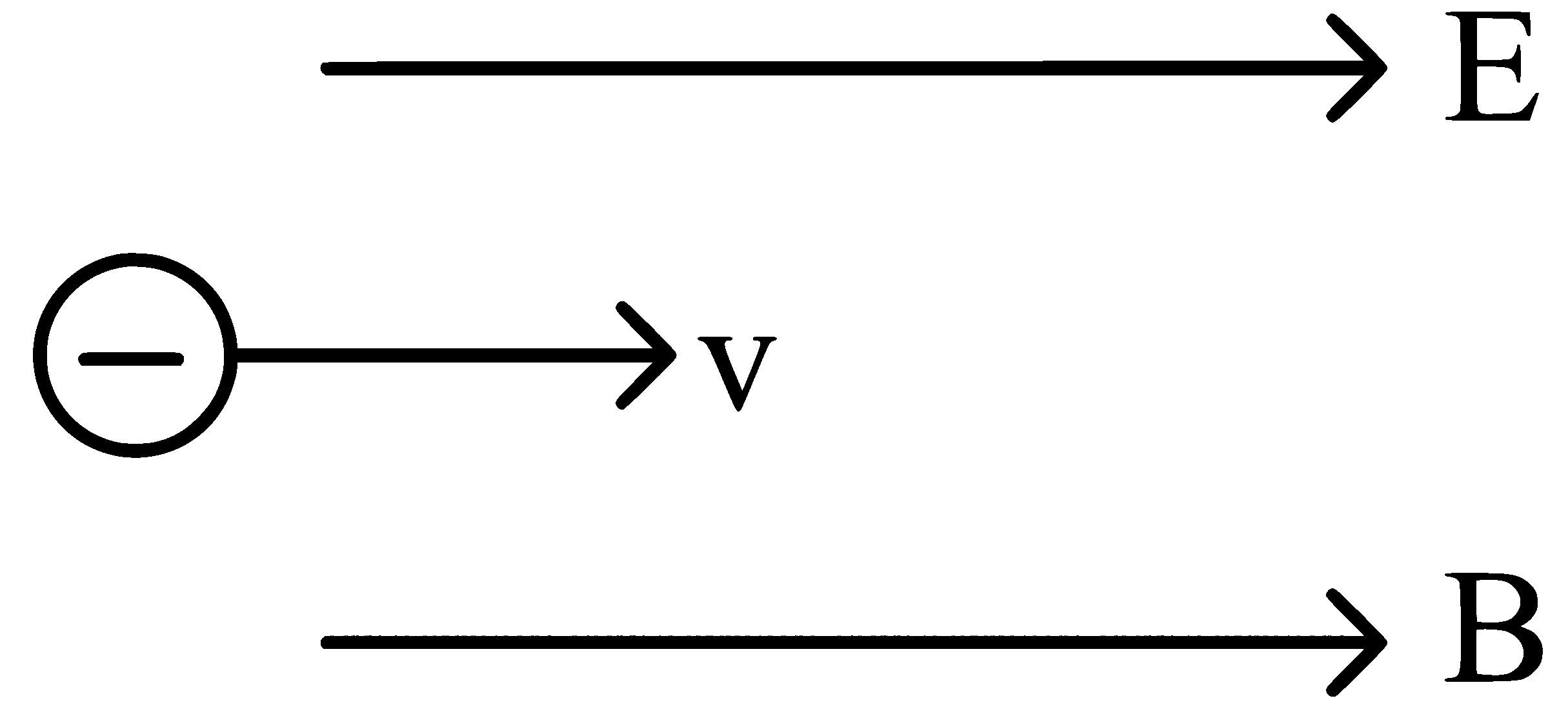
A uniform electric field and a uniform magnetic field are acting along the same direction in a certain region. If an electron is projected in the region such that its velocity is pointed along the direction of fields, then the electron:
Speed of electron will decrease due to electric force magnetic force of electron is zero.
The variation of susceptibility with absolute temperature ( ) for a paramagnetic material is represented as :
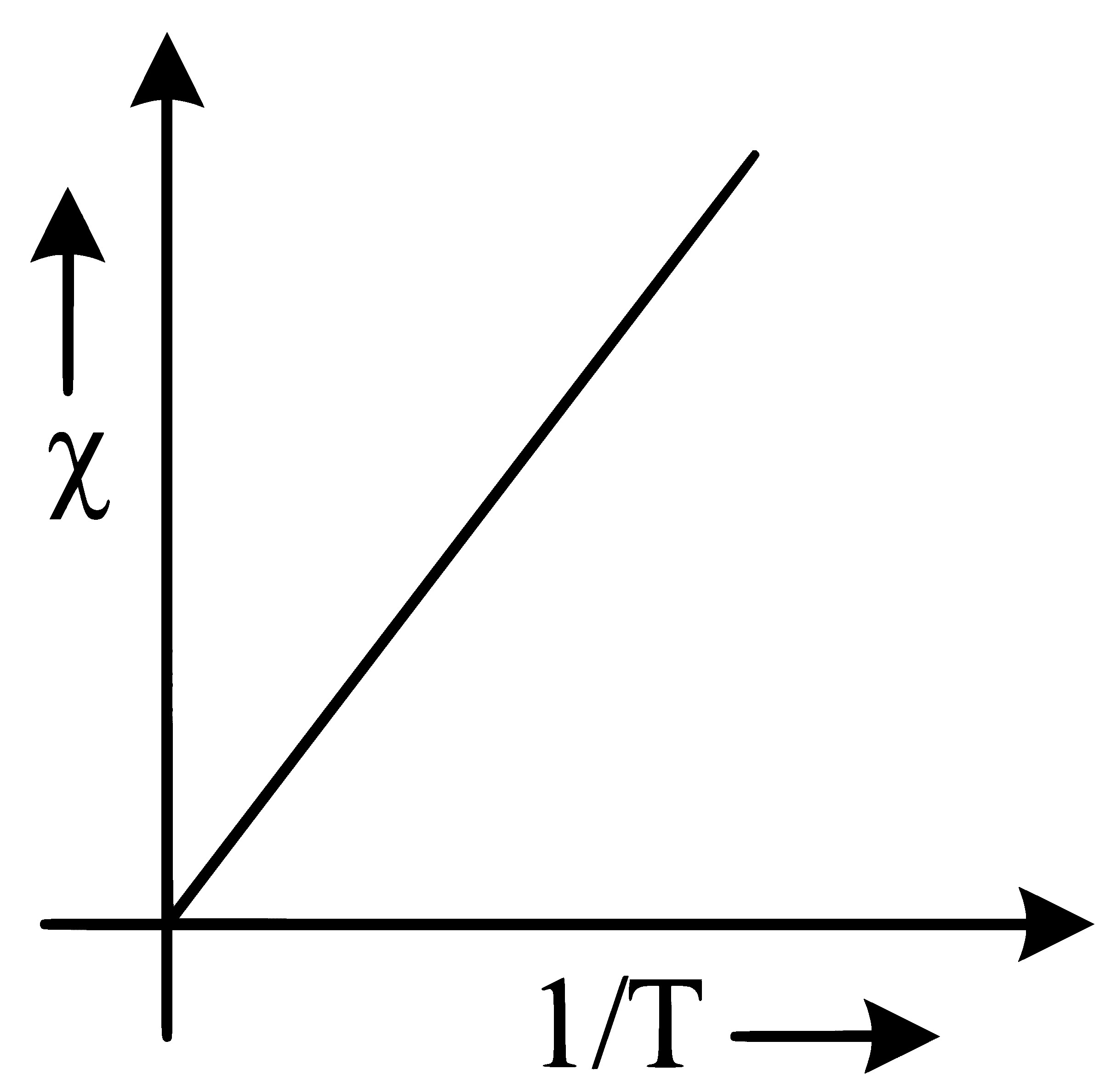
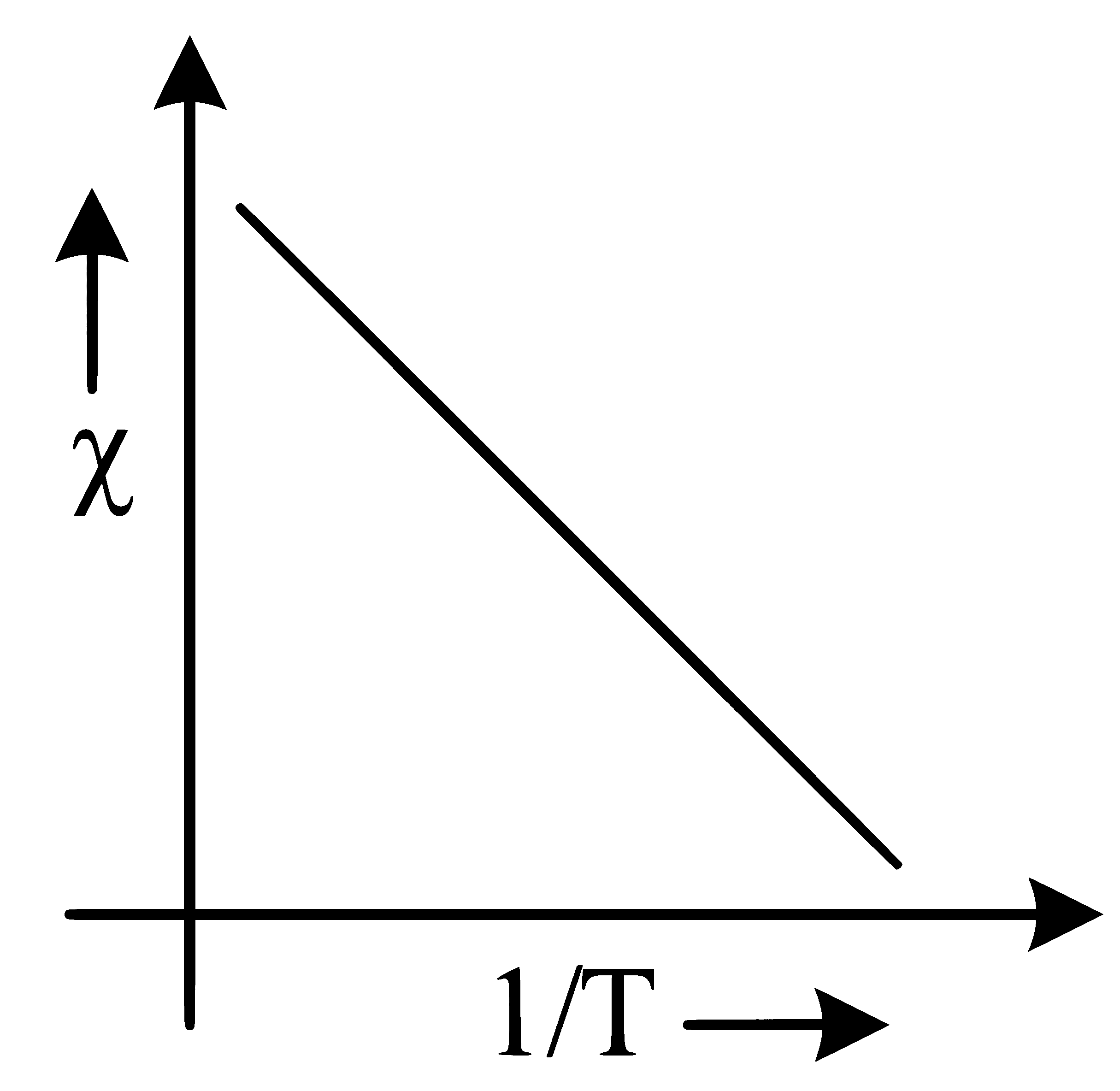
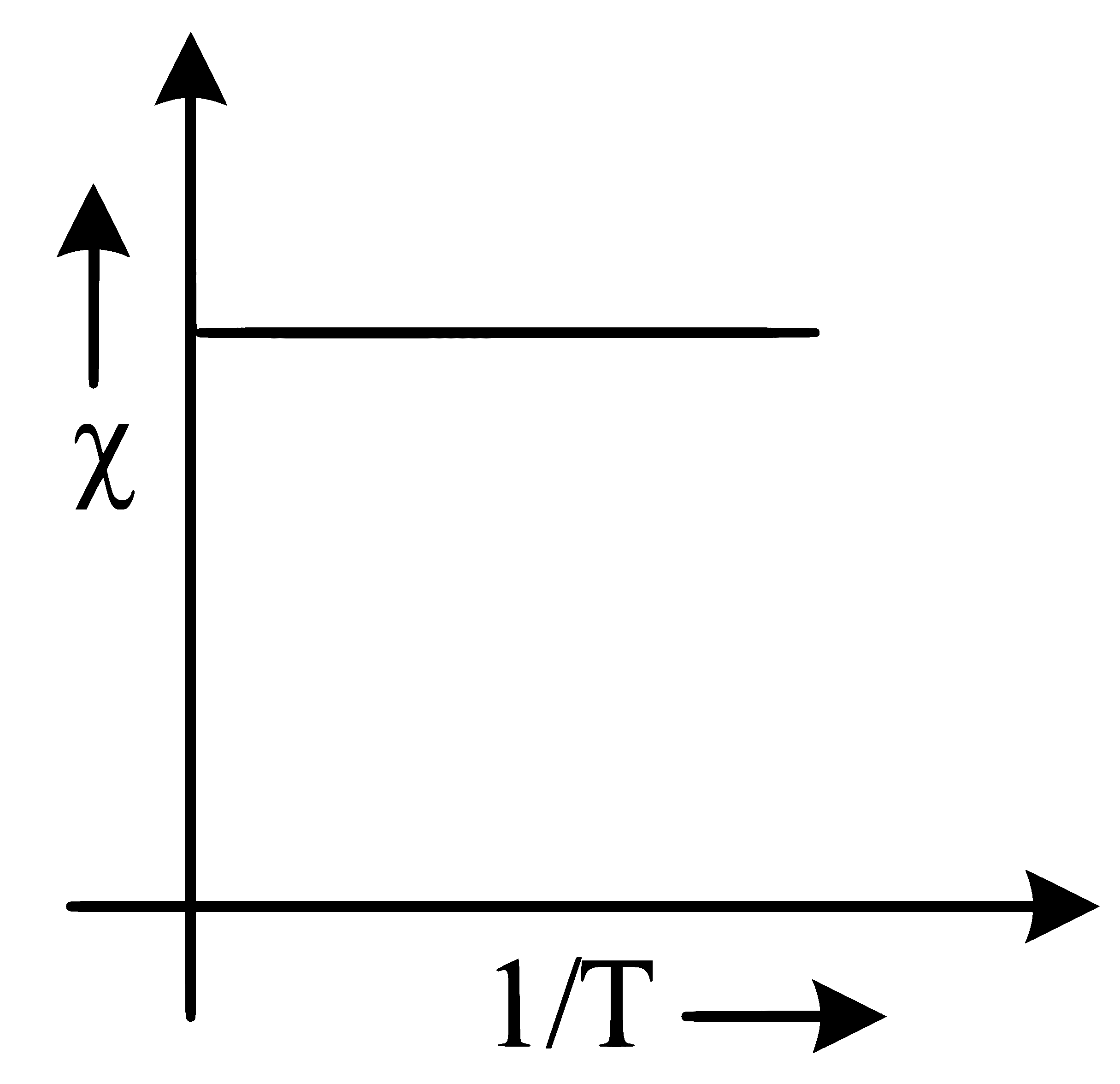
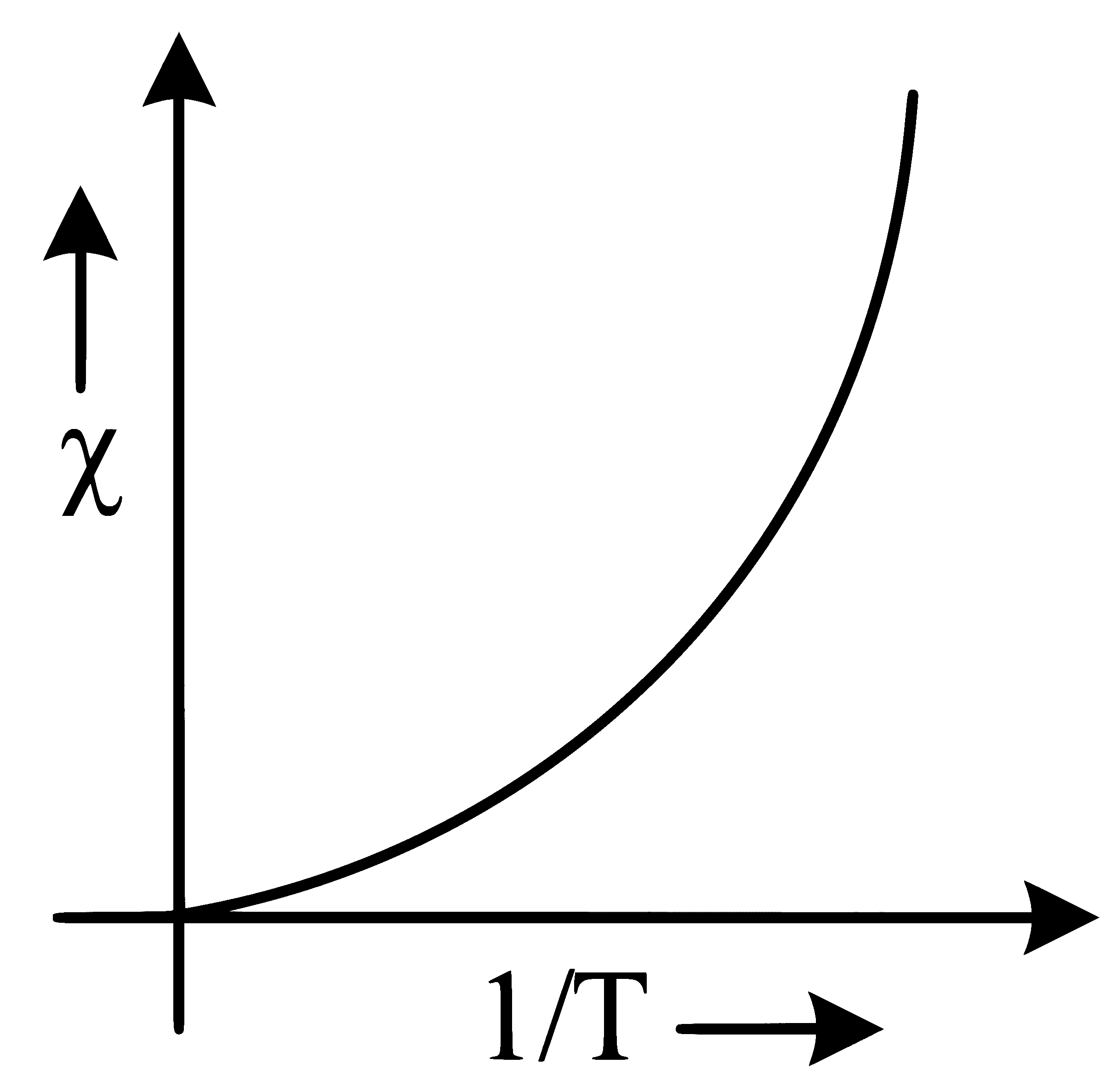
By magnetic property
vs graph will be straight line.
An emf is generated by an ac generator having 100 turn coil, of loop area . The coil rotates at a speed of one revolution per second and placed in a uniform magnetic field of perpendicular to the axis of rotation of the coil. The maximum value of emf is :-
An ac source is connected in the given circuit. The value of will be :
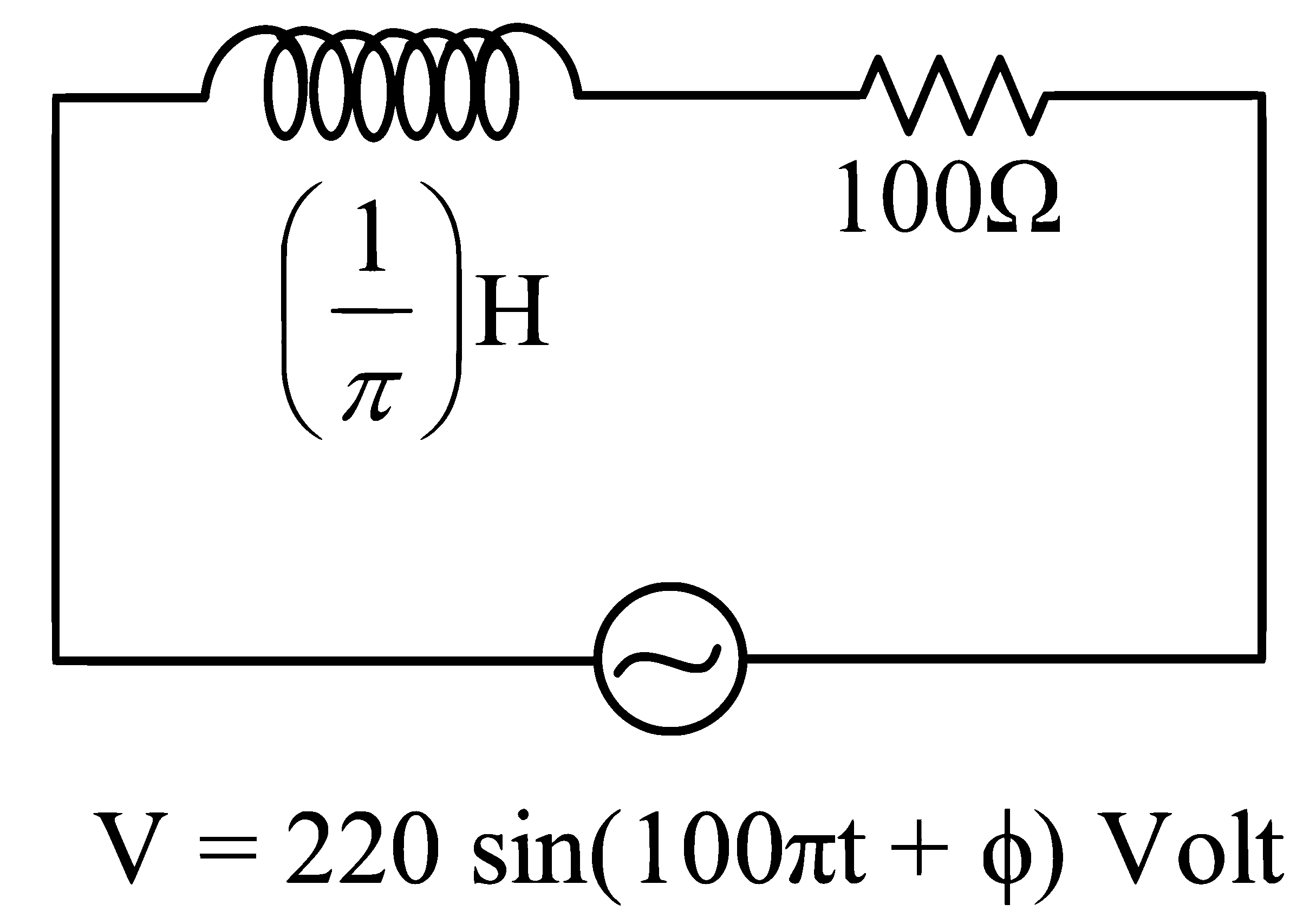
If Z and Z are the impedances of the given circuits (a) and (b) as shown in figures, then choose the correct option
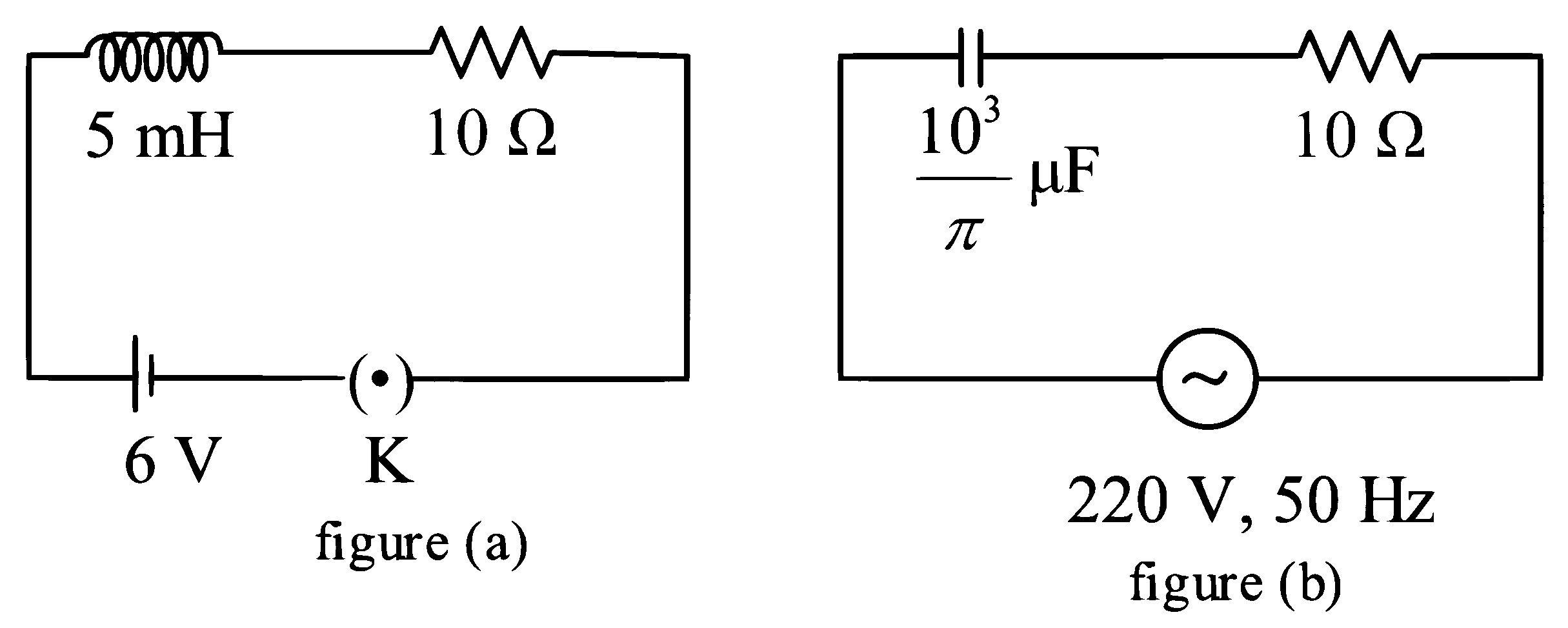
The maximum power is dissipated for an ac in a/an:
Power dissipated is maximum of purely resistive circuit.
For very high frequencies, the effective impedance of the circuit (shown in the figure) will be:-
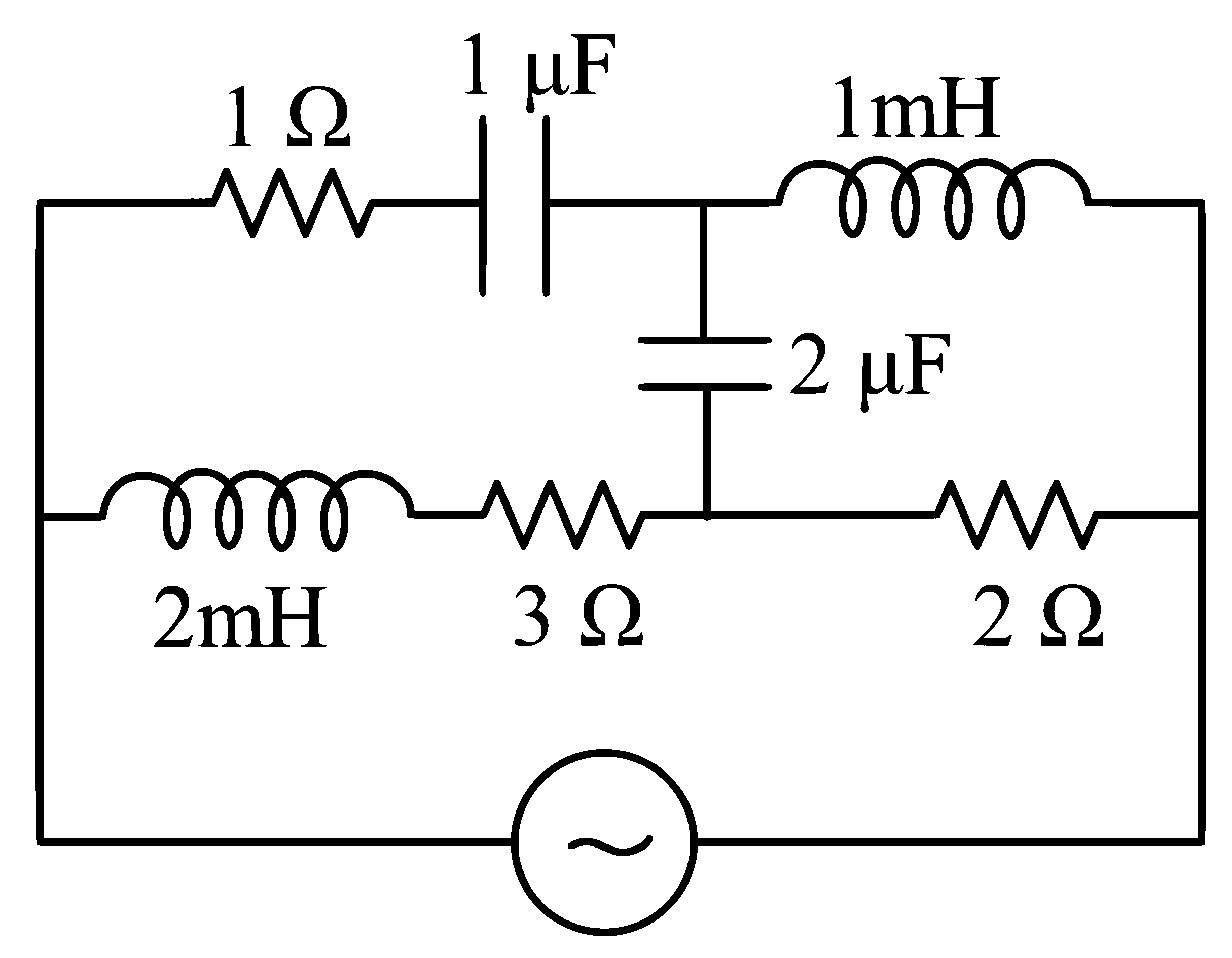
As frequency is very high
Effective circuit will be
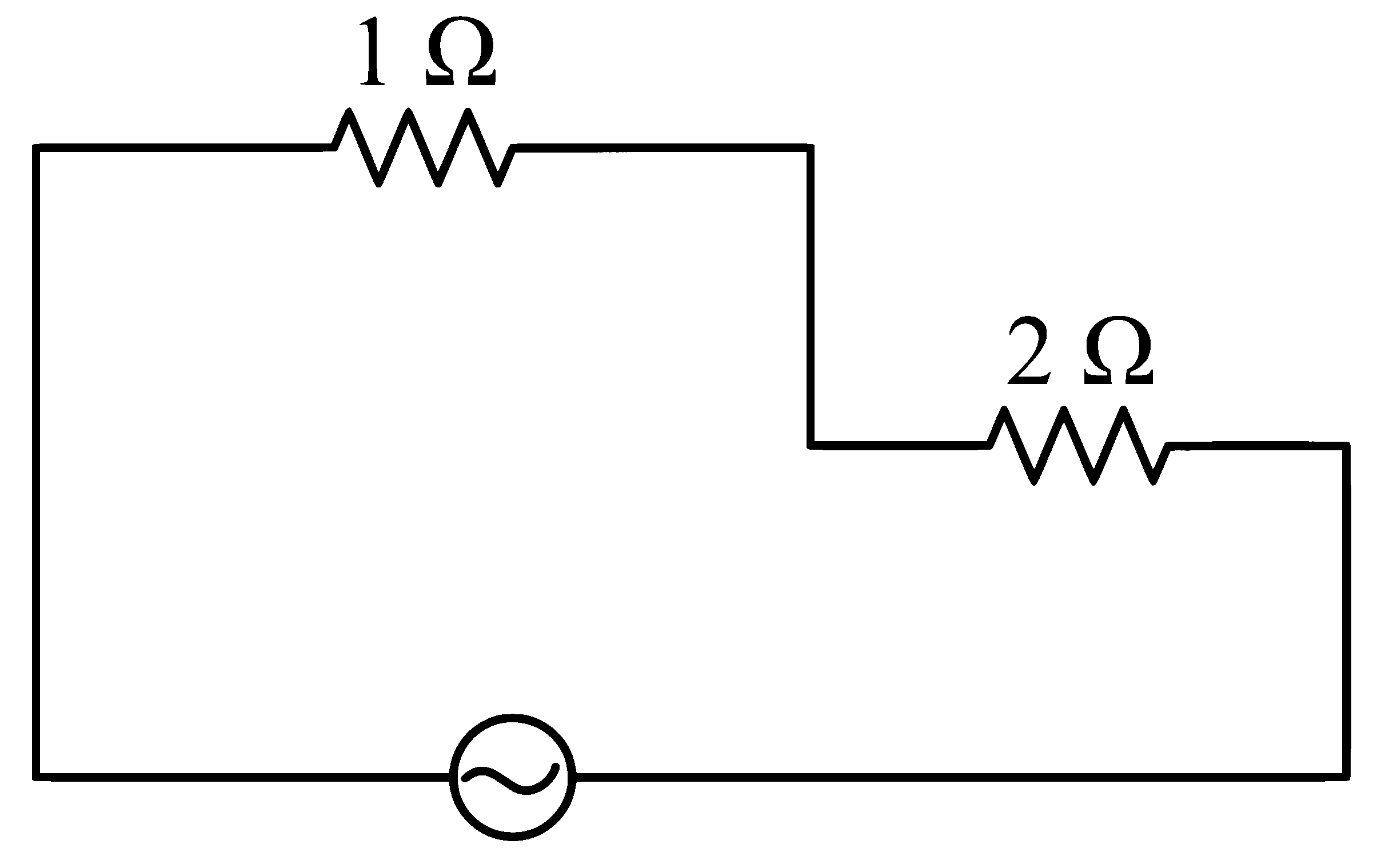
Effective impedance of circuit will be = 3
A lens is made up of 3 different transparent media as shown in figure. A point object O is placed on its axis beyond . How many real images will be obtained on the other side?
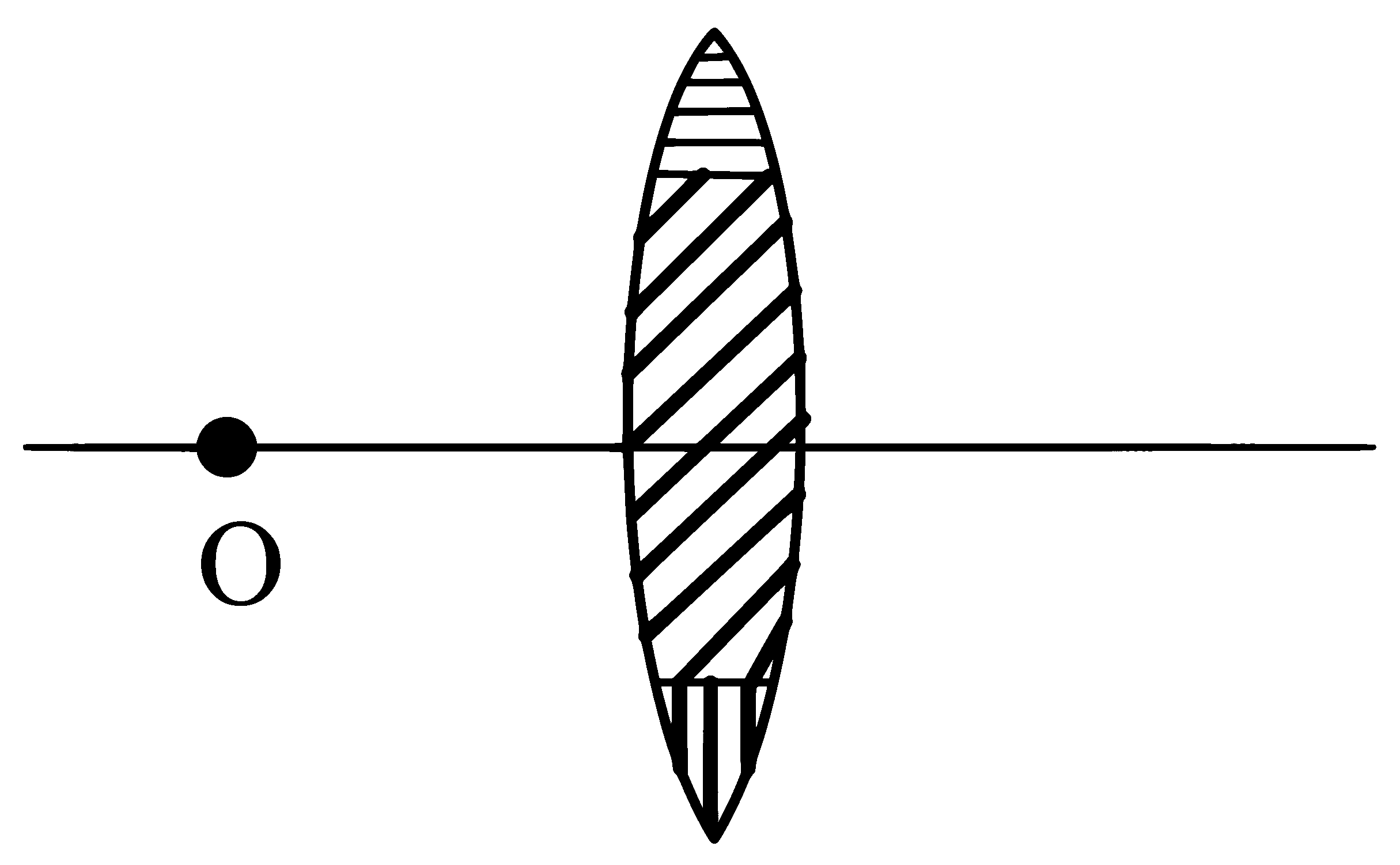
Since lens is made of three materials so three and hence three images.
and are the electric permittivity and magnetic permeability of free space respectively. If the corresponding quantities of a medium are and respectively, the refractive index of the medium will nearly be :
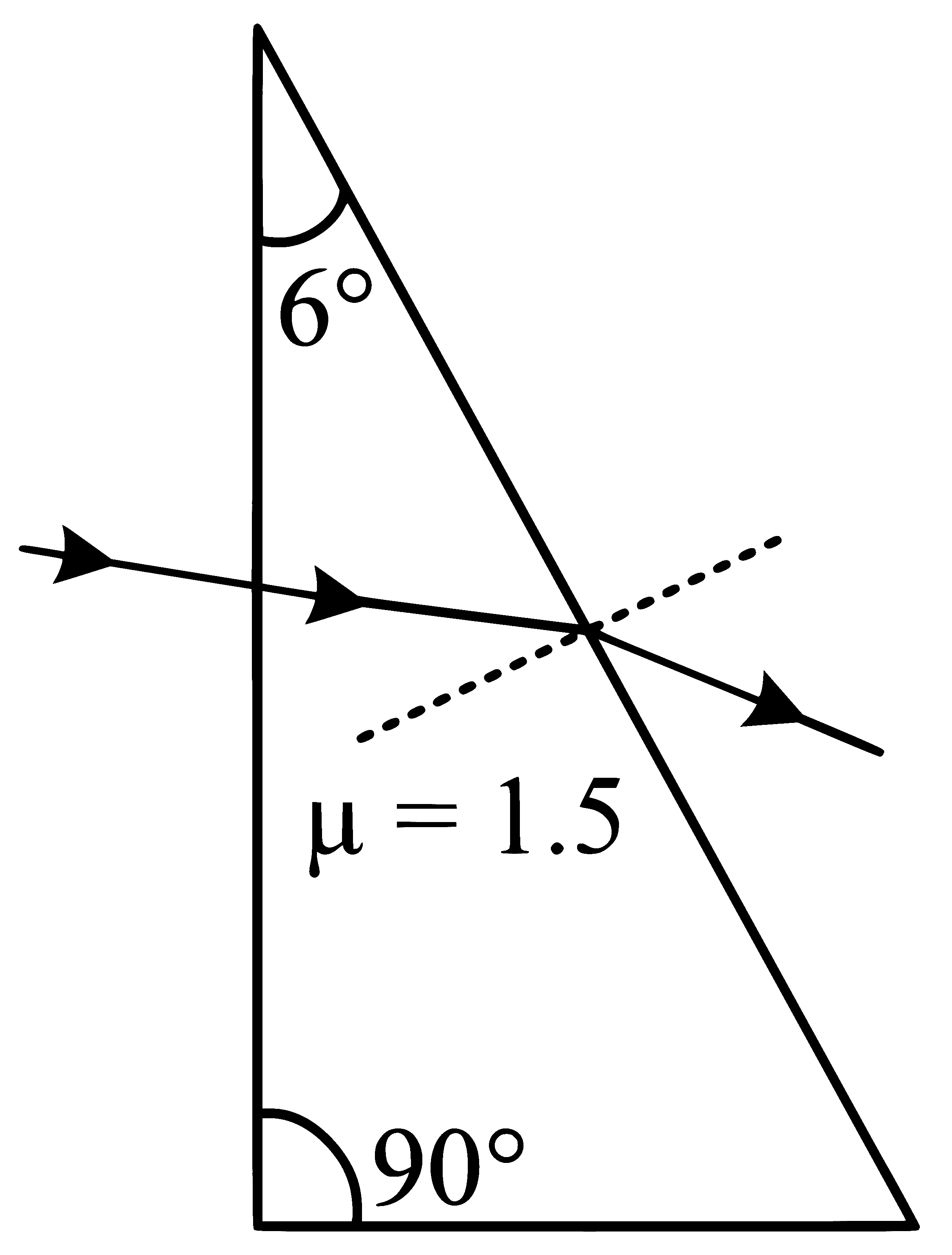
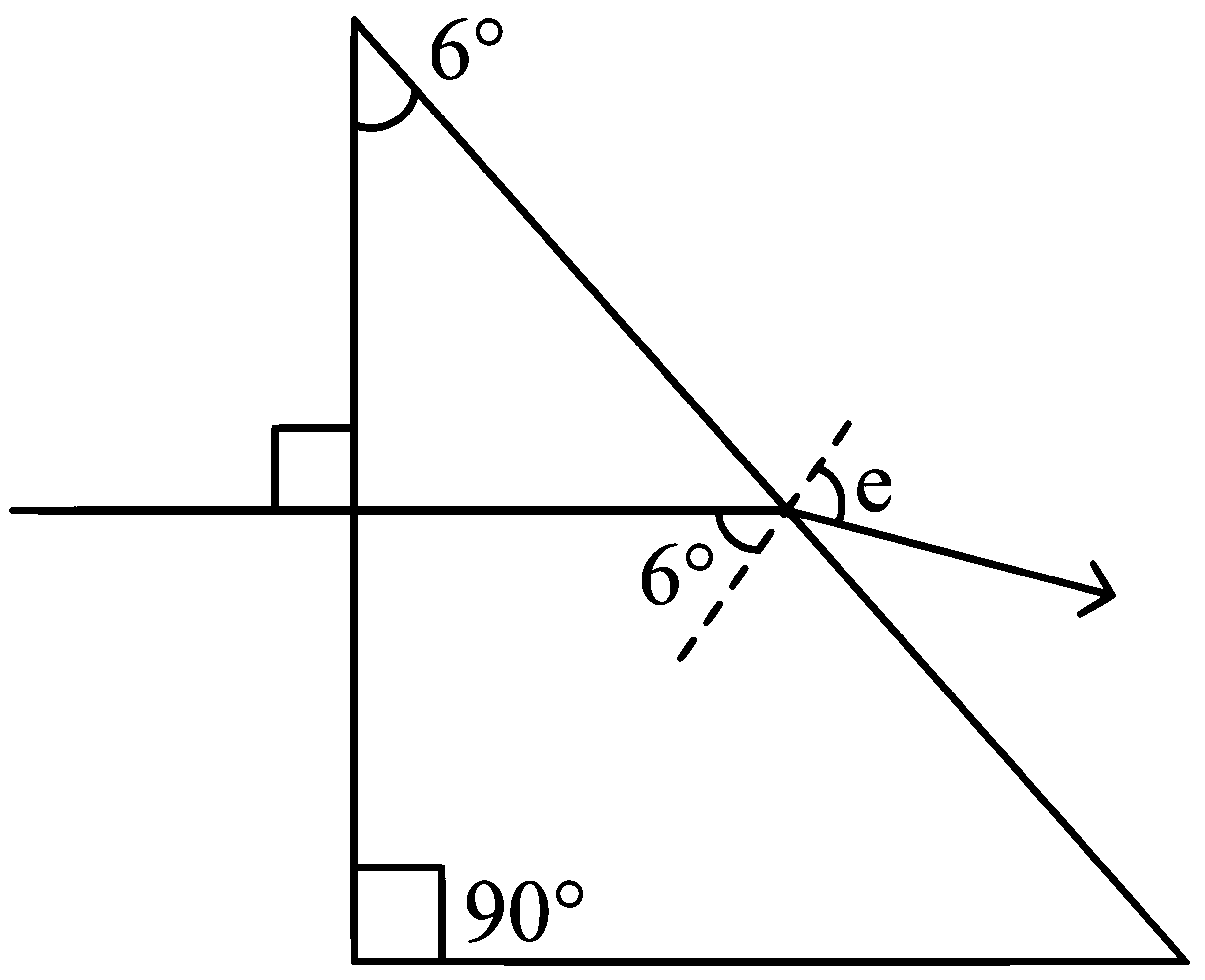
A horizontal ray of light is incident on the right angled prism with prism angle . If the refractive index of the material of the prism is 1.5 , then the angle of emergence will be:
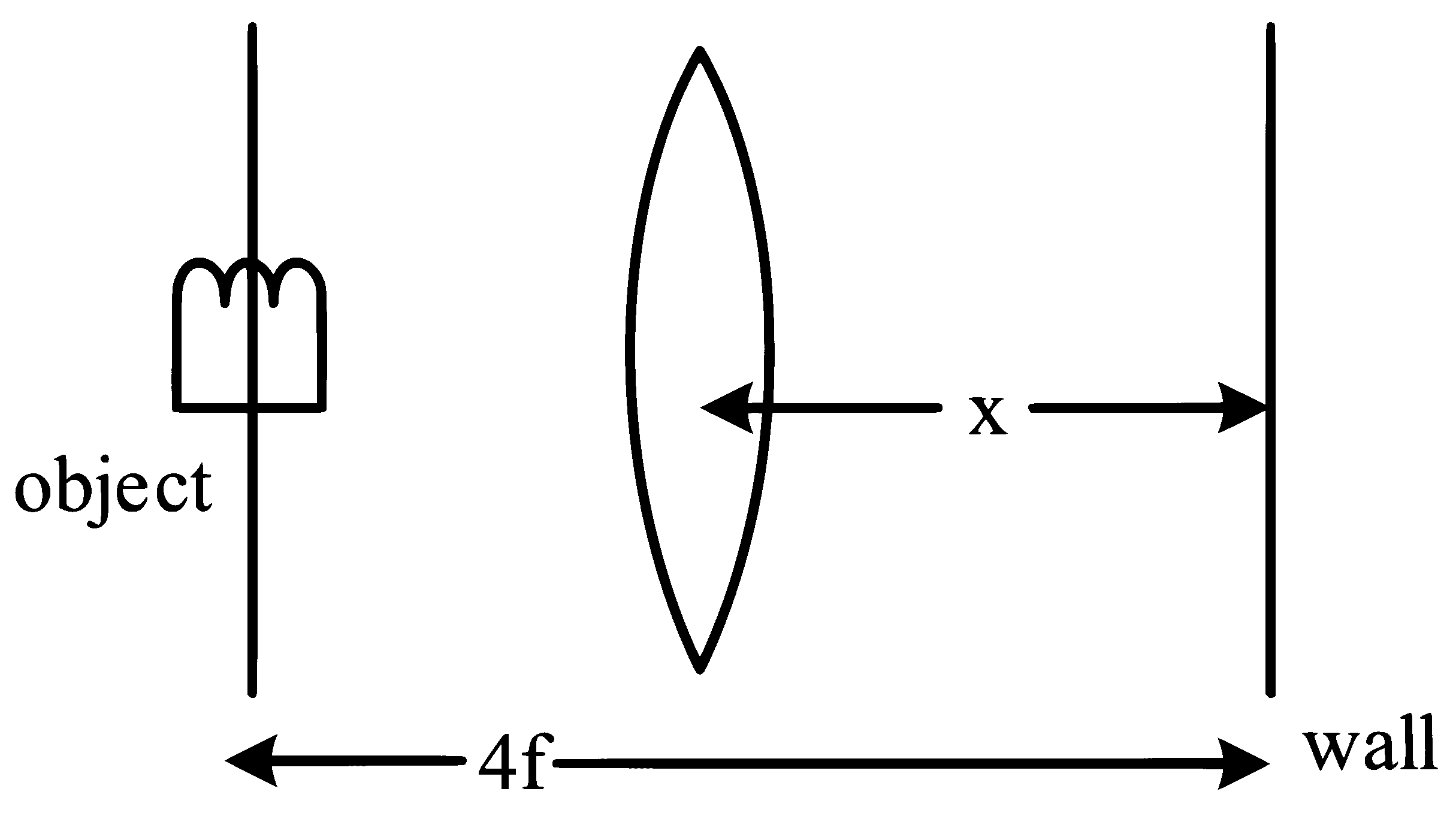
An object is mounted on a wall. Its image of equal size is to be obtained on a parallel wall with the help of a convex lens placed between these walls. The lens is kept at distance x in front of the second wall. The required focal length of the lens will be :
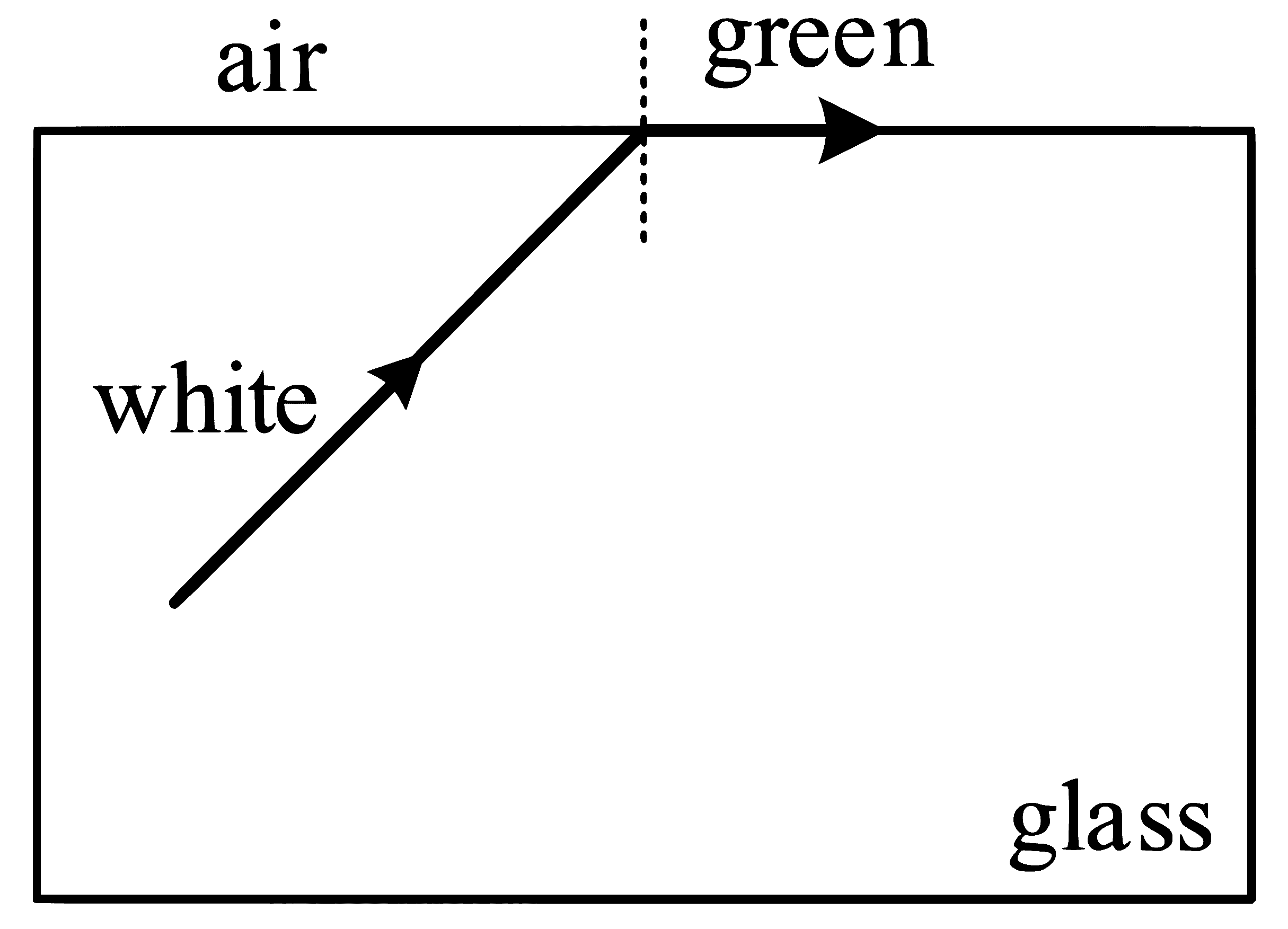
Which set of colours will come out in air for a situation shown in figure?
Yellow, orange, red emerge from air.
The ground state energy of hydrogen atom is . The energy needed to ionize hydrogen atom from its second excited state will be :
The energy levels of a hydrogen atom are given by the formula :
where is the energy of the -th energy level.
The ground state of hydrogen () has an energy of as mentioned, which means that it would take to ionize it (remove the electron completely) from this state, since ionization implies moving the electron to a state of zero energy.
The second excited state of hydrogen is when (as is the ground state and is the first excited state). Thus, the energy of the second excited state is :
Since ionization implies moving the electron from its current energy level to energy, the energy required to ionize the atom from this state is the absolute value of its current energy state. So, it will take to ionize a hydrogen atom from its second excited state.
So, the correct answer is Option C : .
The wavelength of Lyman series of hydrogen atom appears in:
Range of is to which lies in U.V. region.
The angular momentum of an electron moving in an orbit of hydrogen atom is . The energy in the same orbit is nearly.
The given angular momentum of the electron is , where is Planck's constant.
According to the Bohr model of the hydrogen atom, the allowed angular momenta for an electron are quantized and given by where is the mass of the electron, is its velocity, is the radius of the orbit, and is the principal quantum number (an integer).
By comparing the given angular momentum with the quantized form, we get , which simplifies to .
Now, we use the formula for the energy levels of the hydrogen atom: . Since , the energy can be calculated as , which is approximately .
The de Broglie wavelength associated with an electron, accelerated by a potential difference of 81 V is given by:
( nm)
nm
The maximum kinetic energy of the emitted photoelectrons in photoelectric effect is independent of:
Maximum kinetic energy of emitted electron is independent of intensity of radiation.
On the basis of electrical conductivity, which one of the following material has the smallest resistivity?
Electrical conductivity is a measure of a material's ability to conduct an electric current. The higher the conductivity, the lower the resistivity. So, if we are looking for the material with the smallest resistivity, we are looking for the material with the highest electrical conductivity.
Among the options given, silver (Option B) is known to have the highest electrical conductivity and thus, the smallest resistivity. Germanium (Option A) and silicon (Option D) are semiconductors, meaning they have moderate conductivity that can be manipulated, while glass (Option C) is generally a poor conductor, or an insulator. Therefore, silver is the correct answer.
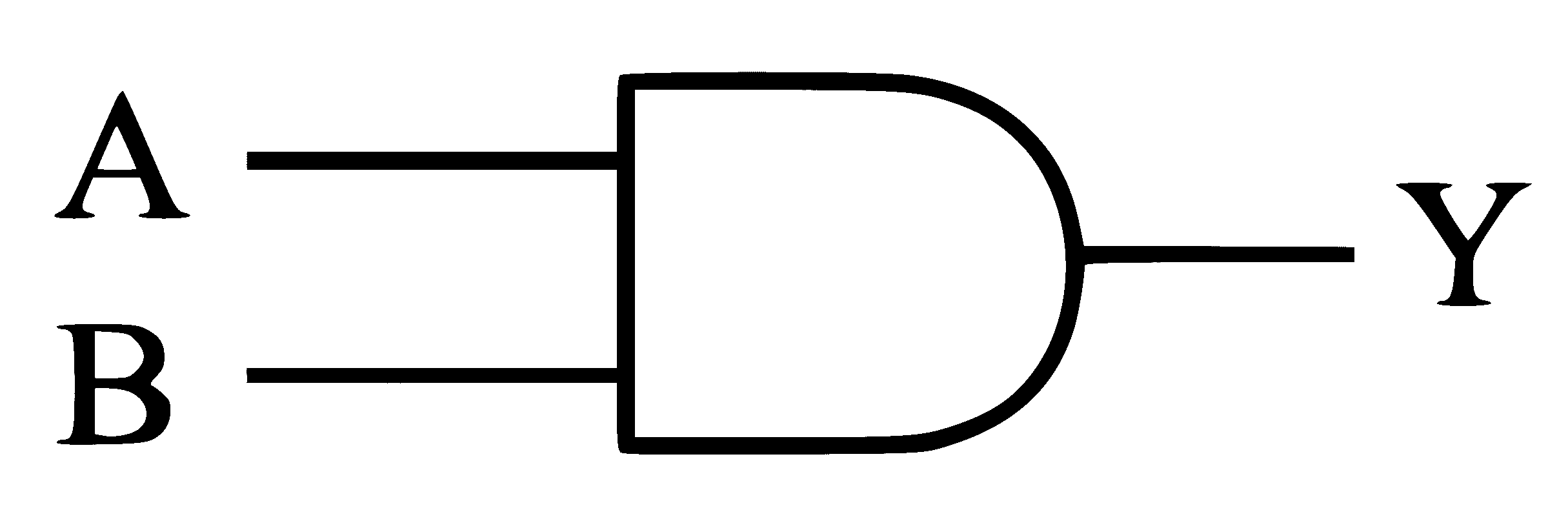
The given circuit is equivalent to:
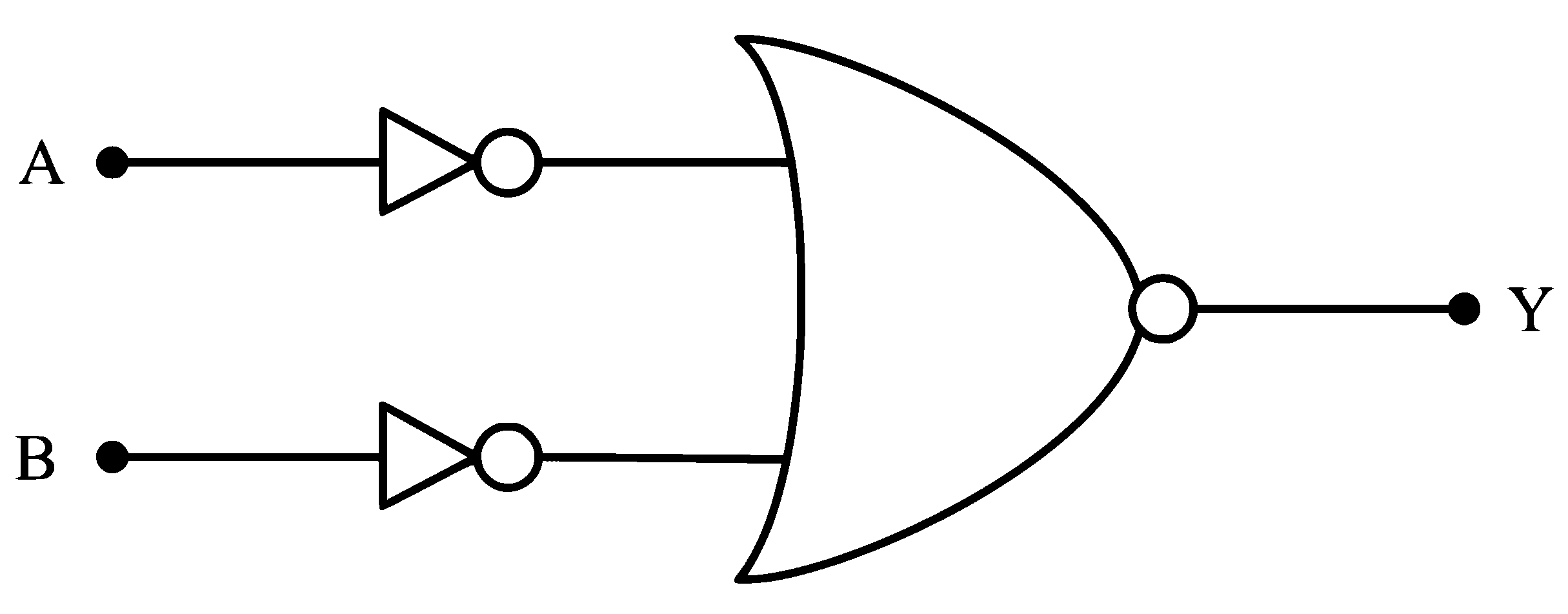
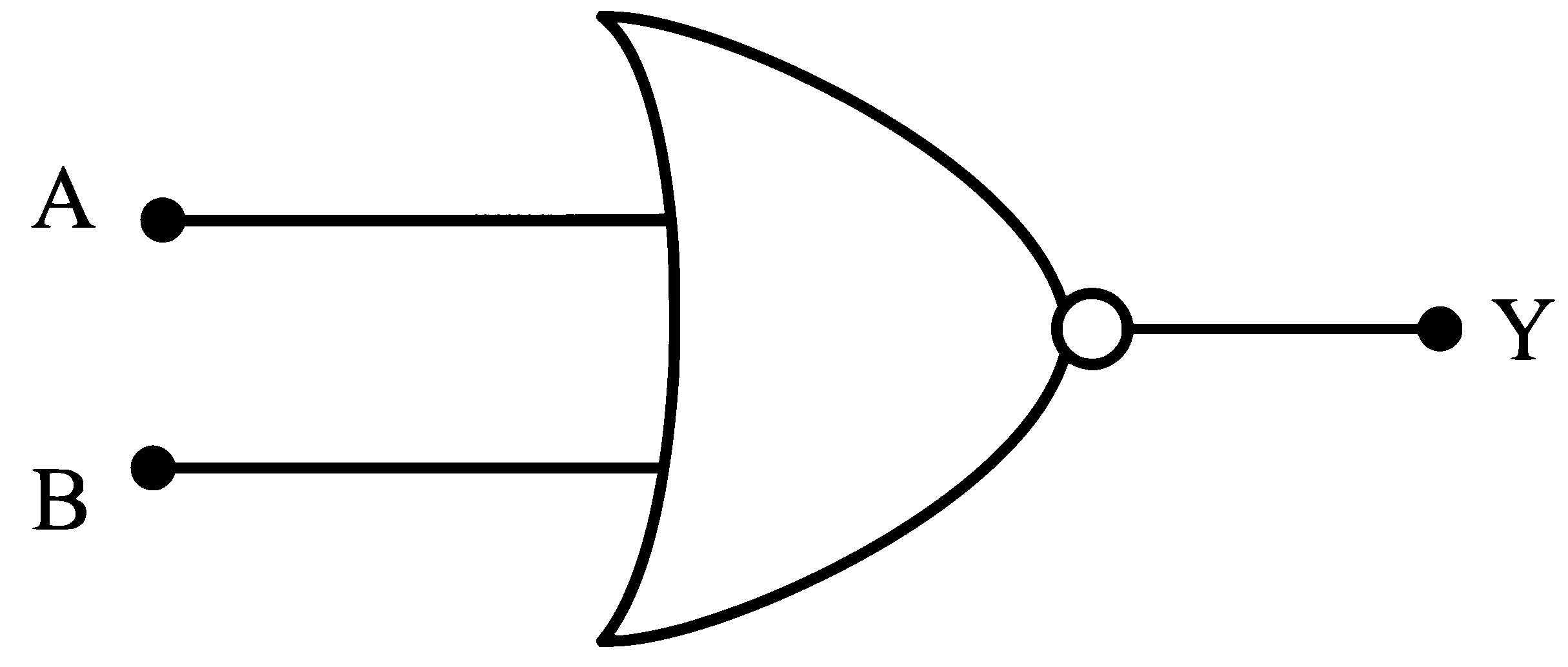
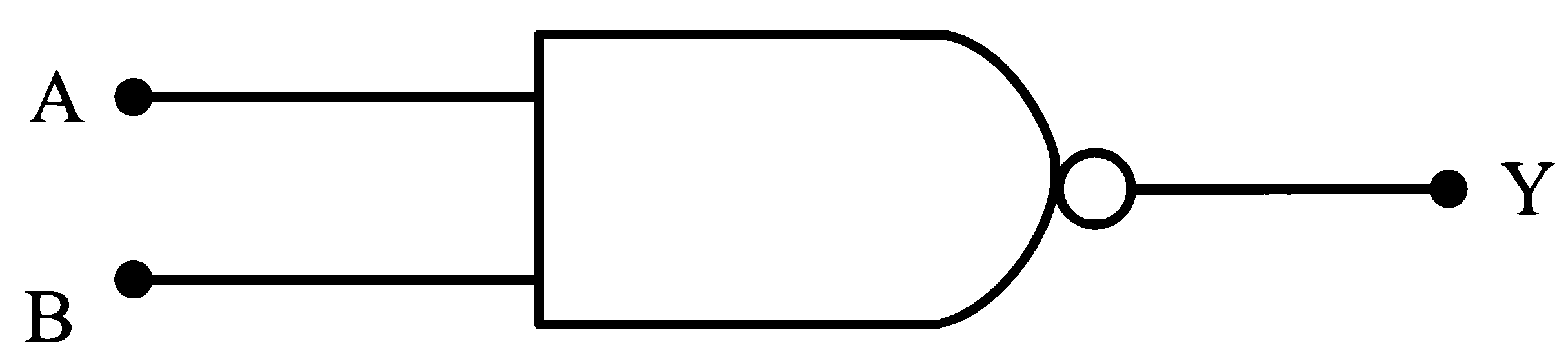
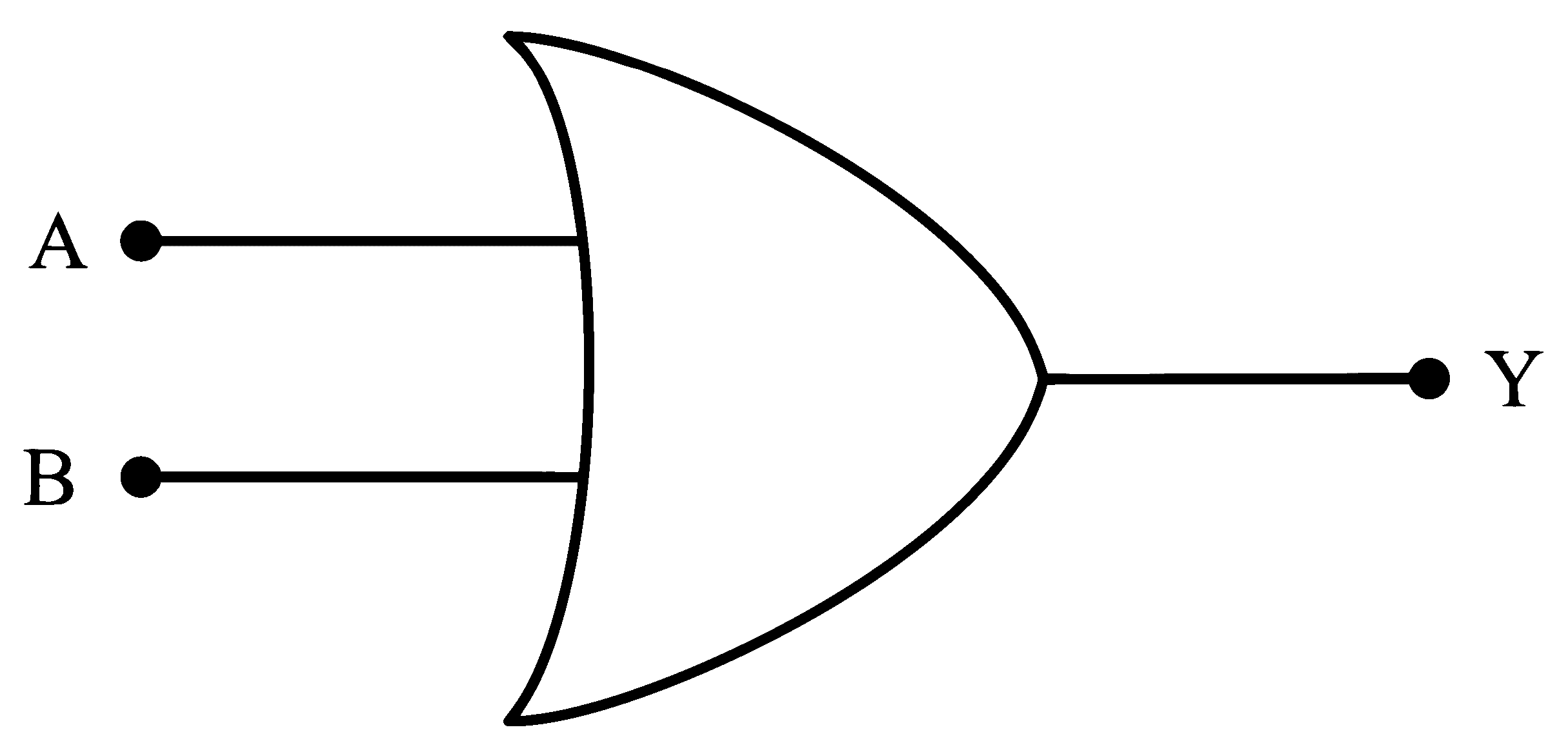
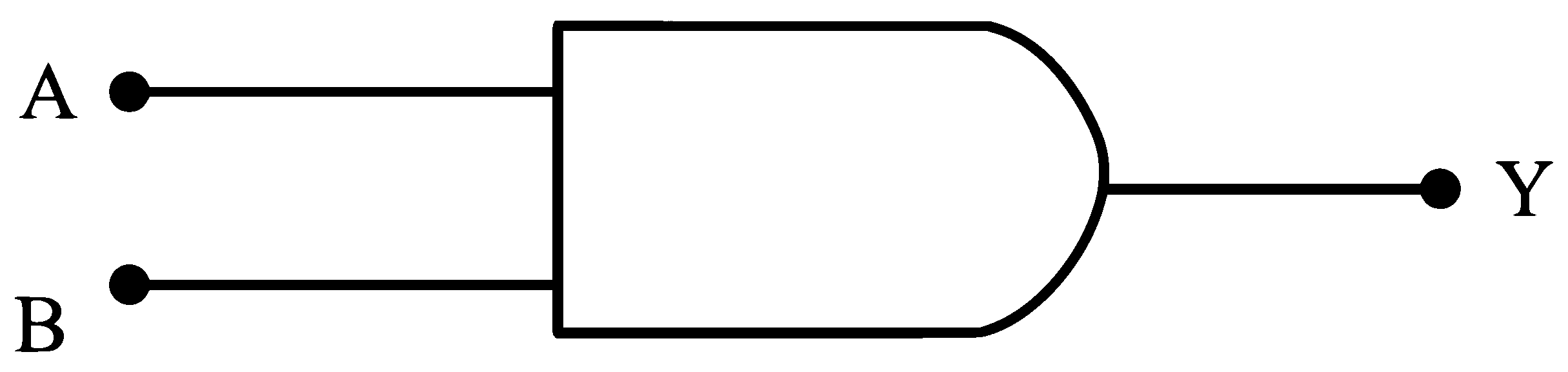
AND gate
for AND gate
A p-type extrinsic semiconductor is obtained when Germanium is doped with:
For p type semiconductor trivalent impurity added
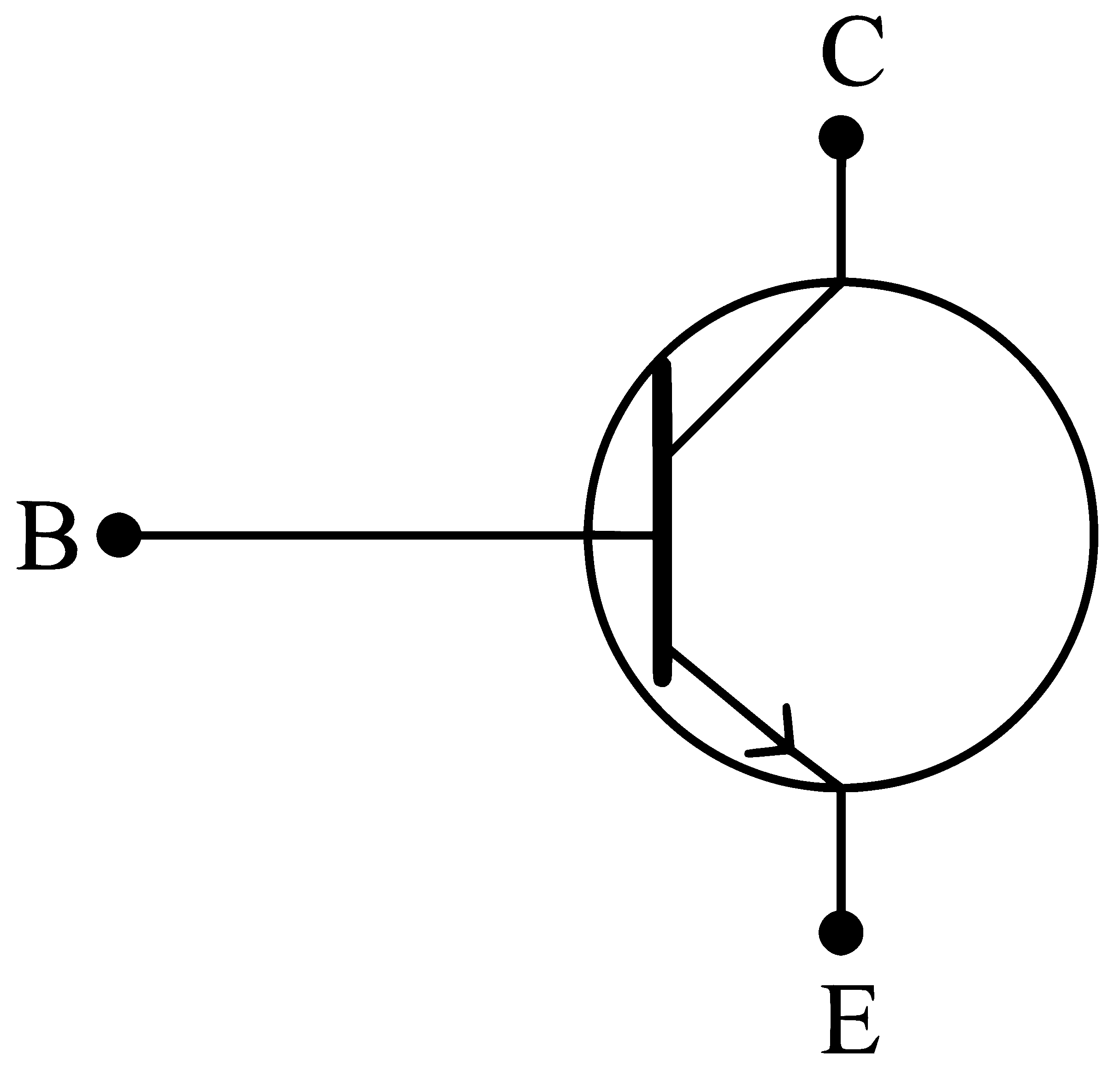
The above figure shows the circuit symbol of a transistor. Select the correct statements given below:
(A) The transistor has two segments of p-type semiconductor separated by a segment of n-type semiconductor.
(B) The emitter is of moderate size and heavily doped.
(C) The central segment is thin and lightly doped.
(D) The emitter base junction is reverse biased in common emitter amplifier circuit.
In given symbol, emitter current leave from emitter so transistor is NPN
order of doping
order of size
for active mode emitter base junction is forward bias and base-collector junction is reverse bias.
The density of 1 M solution of a compound 'X' is 1.25 g mL. The correct option for the molality of solution is (Molar mass of compound X = 85 g):
Incorrect set of quantum numbers from the following is :
Given below are two statements:
Statement I : The value of wave function, depends upon the coordinates of the electron in the atom.
Statement II : The probability of finding an electron at a point within an atom is proportional to the orbital wave function.
In the light of the above statements, choose the correct answer from the options given below:
Statement I is correct because in quantum mechanics, the wave function indeed depends on the coordinates (position variables) of the electron in an atom. These coordinates describe where the electron is likely to be at any given time and the wave function varies with these coordinates.
Statement II, however, contains an inaccuracy. The probability of finding an electron at a point within an atom is not directly proportional to the orbital wave function itself, but rather to the square of its absolute value, . This squared value is referred to as the probability density, and it is what provides the likelihood of locating an electron at a particular point in space.
The correct option for a redox couple is:
Redox couple is both the reduced and oxidised form involve same element.
The correct van der Waals equation for 1 mole of a real gas is :
The correct option in which the density of argon (Atomic mass = 40) is highest:
For maximum density, pressure should be maximum and temperature should be minimum.
For a weak acid HA, the percentage of dissociation is nearly 1% at equilibrium. If the concentration of acid is 0.1 mol L, then the correct option for its K at the same temperature is :
An acidic buffer is prepared by mixing :
Acidic buffer is prepared by mixing weak acid and its salt with strong base.
Which amongst the following aqueous solution of electrolytes will have minimum elevation in boiling point? Choose the correct option :-
| Electrolyte | |
|---|---|
Consider the following reaction :-
What is the enthalpy change for decomposition of one mole of water? (Choose the right option).
Decomposition for 1 mole of water
The values for
Identify the incorrect statement
act as an oxidising agent not reducing agent.
Molar conductance of an electrolyte increase with dilution according to the equation:
Which of the following statements are true?
(A) This equation applies to both strong and weak electrolytes.
(B) Value of the constant depends upon the nature of the solvent.
(C) Value of constant is same for both and
(D) Value of constant is same for both and
Choose the most appropriate answer from the options given below:
B and D statement are correct.
The correct value of cell potential in volt for the reaction that occurs when the following two half cells are connected, is
For a reaction
The average rate of appearance of is given by . The correct relation between the average rate of appearance of with the average rate of disappearance of A is given in option :
The correct options for the rate law that corresponds to overall first order reaction is
How many number of tetrahedral voids are formed in of a compound having cubic close packed structure? (Choose the correct option)
Number of particles
Number of THV number of particles, for close packing
How are edge length '' of the unit cell and radius '' of the sphere related to each other in ccp structure? (Choose correct option for your answer)
For CCP (FCC)
Which of the following is a positively charged sol?
Methylene blue solution
Which of the following is correctly matched?
are acidic oxides.
The correct sequence given below containing neutral, acidic, basic and amphoteric oxide each, respectively, is
NO neutral
CaO Basic
CO Acidic
ZnO Amphoteric
The correct order of dipole moments for molecules and , is:
(Non-polar)
Which one of the following represents all isoelectronic species ?
Total numbers electrons are same
electrons
Which one of the following statements is incorrect related to Molecular Orbital Theory?
In the formation of , the two electron waves of the bonding atoms reinforce each other due to constructive interference. Molecular orbitals obtained from and orbitals are 'unsymmetrical' around bond axis.
Given below are two statements:
Statement I : Hydrated chlorides and bromides of and on heating undergo hydrolysis.
Statement II : Hydrated chlorides and bromides of and on heating undergo dehydration.
In the light of the above statements, choose the correct answer from the options given below :
Hydrated chlorides and Bromides of and are Ionic so undergo dehydration after heating. Hydrated chlorides and Bromides of and are covalent so undergo hydrolysis on Heating.
Match List - I with List - II
| List - I (Mixtures/Sample) |
List - II (Technique used for purification) |
||
|---|---|---|---|
| (A) | Glycerol from spent lye | (I) | Steam distillation |
| (B) | Chloroform + Aniline | (II) | Fractional distillation |
| (C) | Fractions of crude oil | (III) | Distillation under reduced pressure |
| (D) | Aniline + Water | (IV) | Distillation |
Choose the correct answer from the options given below :
(A) Glycerol from spent lye Distillation under reduced pressure
(B) Chloroform + Aniline Distillation
(C) Fractions of crude oil Fractional distillation
(D) Aniline + HO Steam distillation
Read the following statements and choose the set of correct statements :
(A) Chrome steel is used for cutting tools and crushing machines.
(B) The fine dust of aluminium is used in paints and lacquers.
(C) Copper is used for reduction of alcohol
(D) Zinc dust is used as a reducing agent in the manufacture of paints
(E) Iron is used for galvanising zinc
Choose the most appropriate answer from the options given below :
Let's evaluate each statement for its correctness :
Statement (A): Chrome steel is used for cutting tools and crushing machines. This statement is correct. Chrome steel, also known as stainless steel when combined with nickel, is known for its hardness and resistance to corrosion, making it suitable for cutting tools and heavy machinery.
Statement (B): The fine dust of aluminium is used in paints and lacquers. This statement is correct. Aluminum powder is often used in paint and lacquer formulations to give them a metallic sheen.
Statement (C): Copper is used for the reduction of alcohol. This statement is incorrect. Copper is not typically used for the reduction of alcohol in chemical reactions. It's more commonly used in electrical wiring and plumbing due to its high electrical conductivity and malleability.
Statement (D): Zinc dust is used as a reducing agent in the manufacture of paints. This statement is correct. Zinc dust can act as a reducing agent in various chemical reactions, including in the paint manufacturing process.
Statement (E): Iron is used for galvanizing zinc. This statement is incorrect. It's actually the other way around; zinc is used for galvanizing iron or steel to protect it from corrosion.
Considering these evaluations, the correct answer is Option C: (A), (B) and (D) only. Statements (A), (B), and (D) are correct, while statements (C) and (E) are incorrect.
Given below are two statements : one is labelled as Assertion (A) and the other is labelled as Reason (R).
Assertion (A) : Lithium and beryllium unlike their other respective group members form compounds with pronounced ionic character.
Reason (R) : Lithium and Magnesium have similar properties due to diagonal relationship.
In the light of the above statements, choose the correct answer from the options given below:
Li, Be forms predominately covalent compounds.
Match the List - I with List - II
| List - I (Hydride) |
List - II (Type of Hydride) |
||
|---|---|---|---|
| (A) | (I) | Electron precise | |
| (B) | (II) | Saline | |
| (C) | (III) | Metallic | |
| (D) | (IV) | Electron rich |
Choose the correct answer from the options given below :
non-stoichiometric
Metallic/Interstitial hydride.
Given below are two statements : one is labelled as Assertion (A) and the other is labelled as Reason (R).
Assertion (A) : Ionisation enthalpy increases along each series of the transition elements from left to right. However, small variations occur.
Reason (R) : There is corresponding increase in nuclear charge which accompanies the filling of electrons in the inner d-orbitals.
In the light of the above statements, choose the most appropriate answer from the options given below :
Reason is the correct explanation of Assertion.
Given below are two statements : one is labelled as Assertion (A) and the other is labelled as Reason (R).
Assertion (A) : Ionisation enthalpies of early actinoids are lower than for early lanthanoids.
Reason (R) : Electrons are entering 5f orbitals in actinoids which experience greater shielding from nuclear charge.
In the light of the above statements, choose the correct answer from the options given below :
Reason in correct explanation the above Assertion.
Select the element (M) whose trihalides cannot be hydrolysed to produce an ion of the form [M(HO]
Maximum covalency of boron is four.
Which of the following forms a set of complex and a double salt, respectively?
Complex salt is
Double salt is (potash alum)
Type of isomerism exhibited by compounds and the value of coordination number of central metal ion in all these compounds, respectively is :
Given complex compounds exhibit solvate isomerism having co-ordination number = 6.
Which statement is not true about photochemical smog?
Option A is not true about photochemical smog.
Explanation:
Photochemical smog is harmful to both humans and plants. It damages plant tissues and affects their growth.
Option A says: "Photochemical smog is harmful to humans but has no effect on plants." This is incorrect because it does affect plants.
Other options:
Option B: Plants like Pinus, Juniparus can reduce photochemical smog — This is correct.
Option C: Photochemical smog occurs in warm, dry and sunny climate — This is correct.
Option D: Common components include ozone, nitric oxide, acrolein, formaldehyde and peroxyacetyl nitrate — This is correct.
Final Answer:
Option A
Which amongst the following compounds/species is least basic?
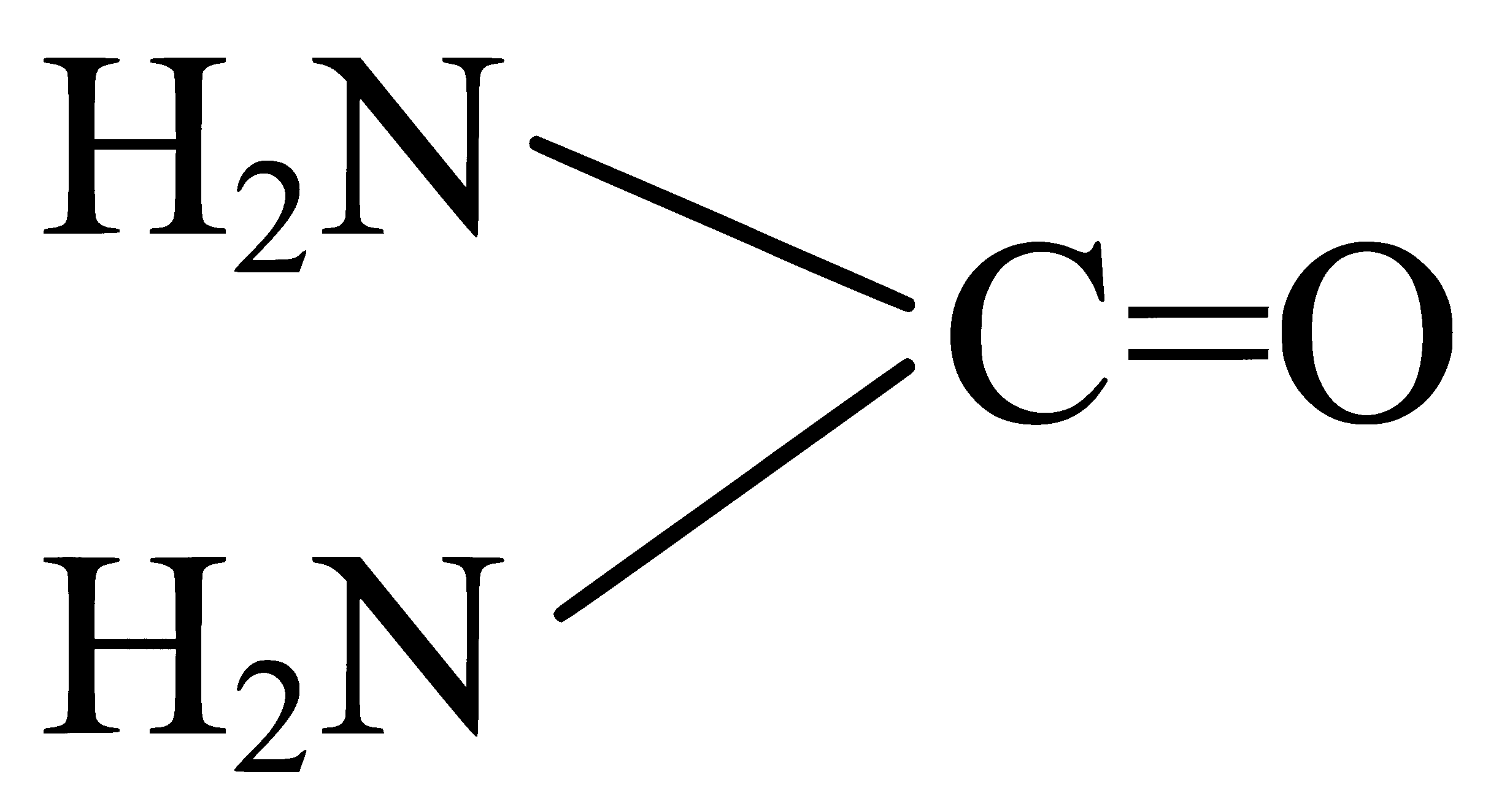
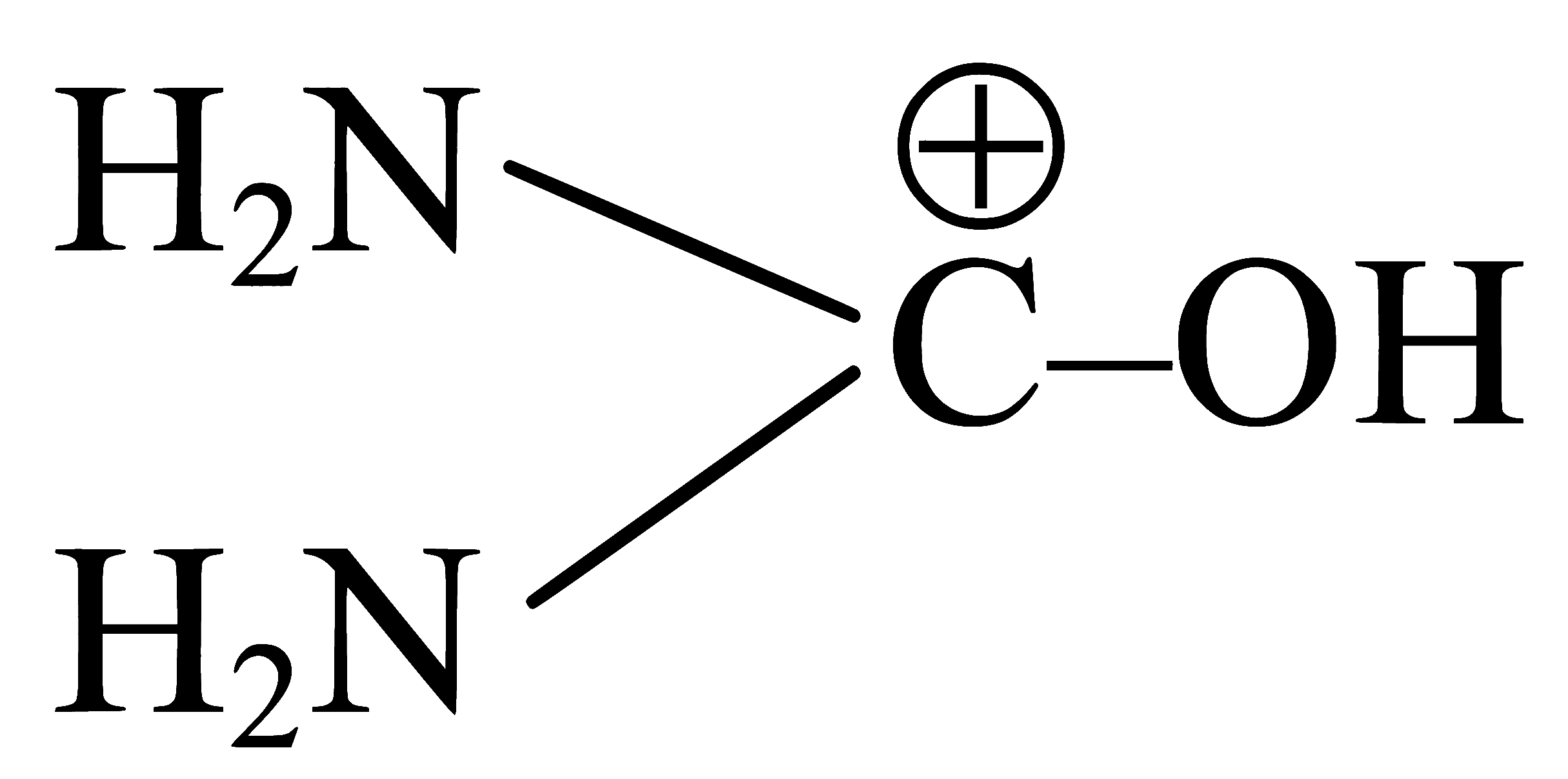
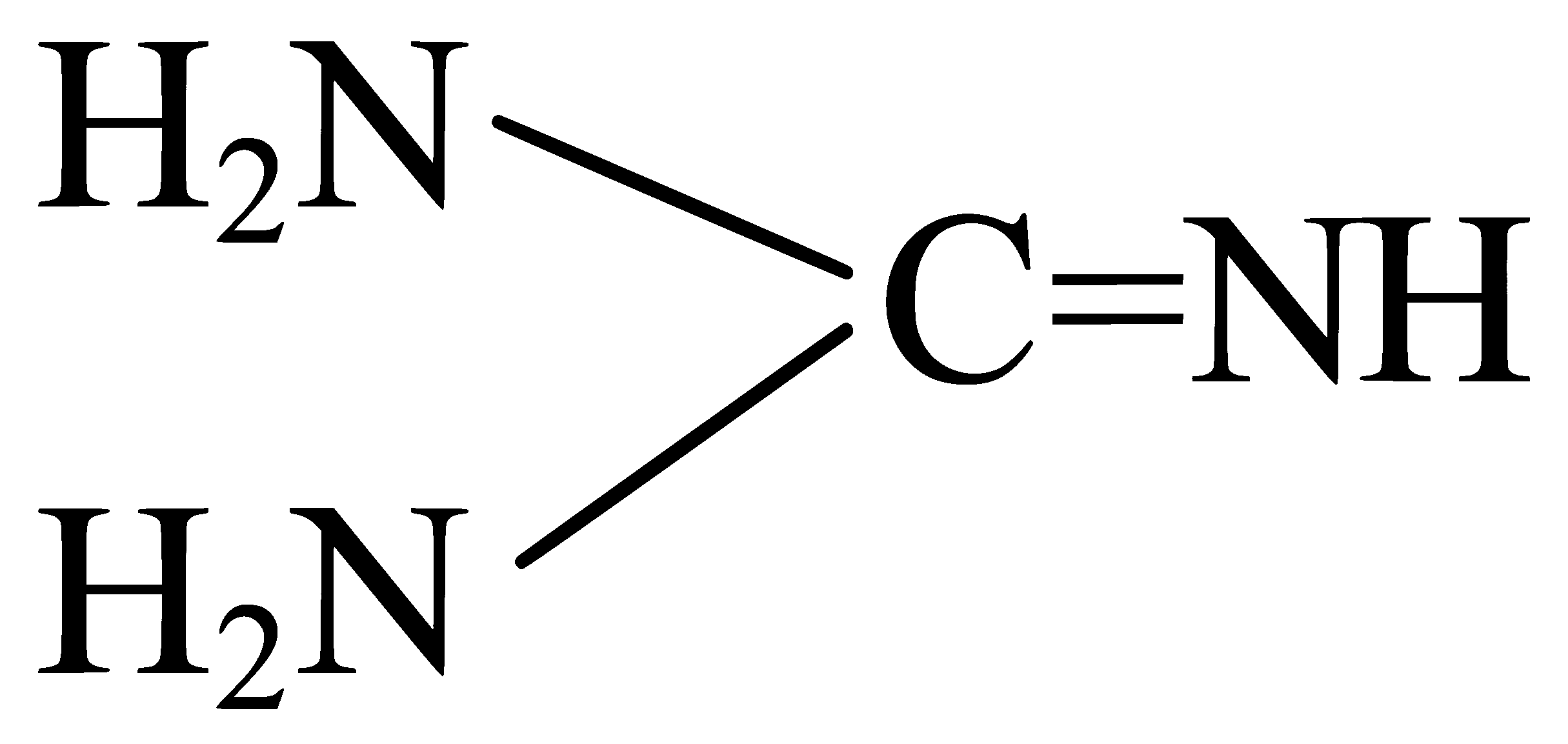
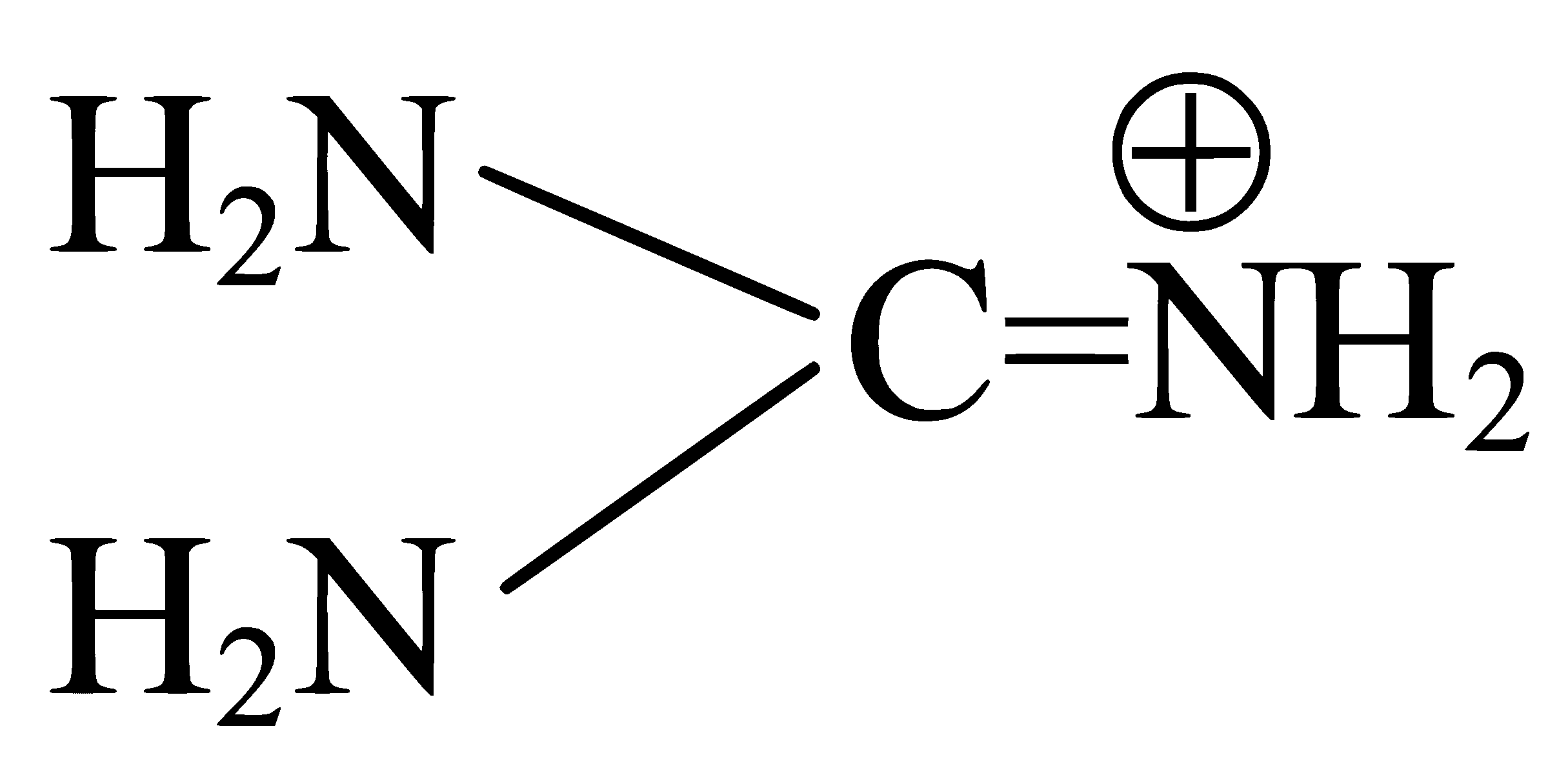
Step 1: Identify the main factor influencing basicity
The basicity of amines and related compounds depends on the availability of the lone pair on the nitrogen atom for donation.
Anything that decreases the availability of this lone pair decreases basicity.
Step 2: Examine all options
Let us write the names and analyse:
Option A: Aniline ()
Option B: p-Nitroaniline ()
Option C: Benzylamine ()
Option D: Ammonia ()
Step 3: Analyse effects
Same as aniline, but now a highly electron-withdrawing nitro group () is attached at the para position.
The nitro group (–M effect and –I effect) pulls electrons even more strongly from the ring, further reducing the electron density on the nitrogen.
This makes the lone pair least available for donation, so very low basicity.
The group is not directly attached to the aromatic ring.
Thus, no resonance with the aromatic ring — lone pair is fully available.
More basic than both aniline and p-nitroaniline.
A simple molecule; only weakly basic, but nitrogen lone pair is completely available.
Comparable to benzylamine but more basic than aniline and p-nitroaniline.
Step 4: Order of Basicity
Based on above:
Final Step: Answer
The least basic compound is Option B: p-Nitroaniline.
Reason: The electron-withdrawing nitro group at the para position, along with resonance of the aniline system, greatly decreases the electron density on the nitrogen and makes its lone pair least available for bonding with a proton.
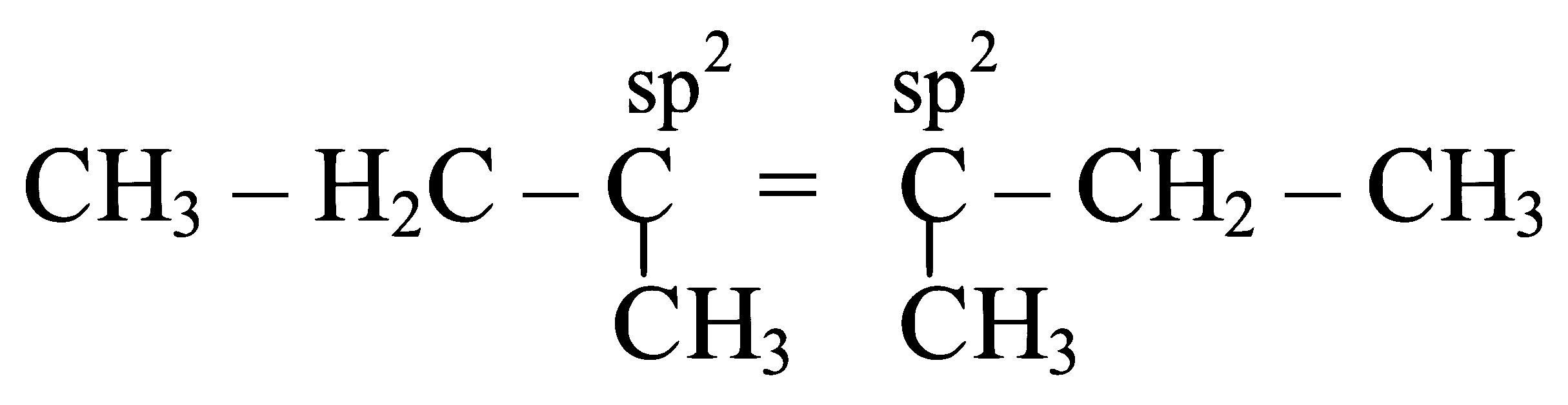
Which amongst the following compounds will show geometrical isomerism?
The correct order for the rate of -dehydrohalogenation for the following compounds is _________.
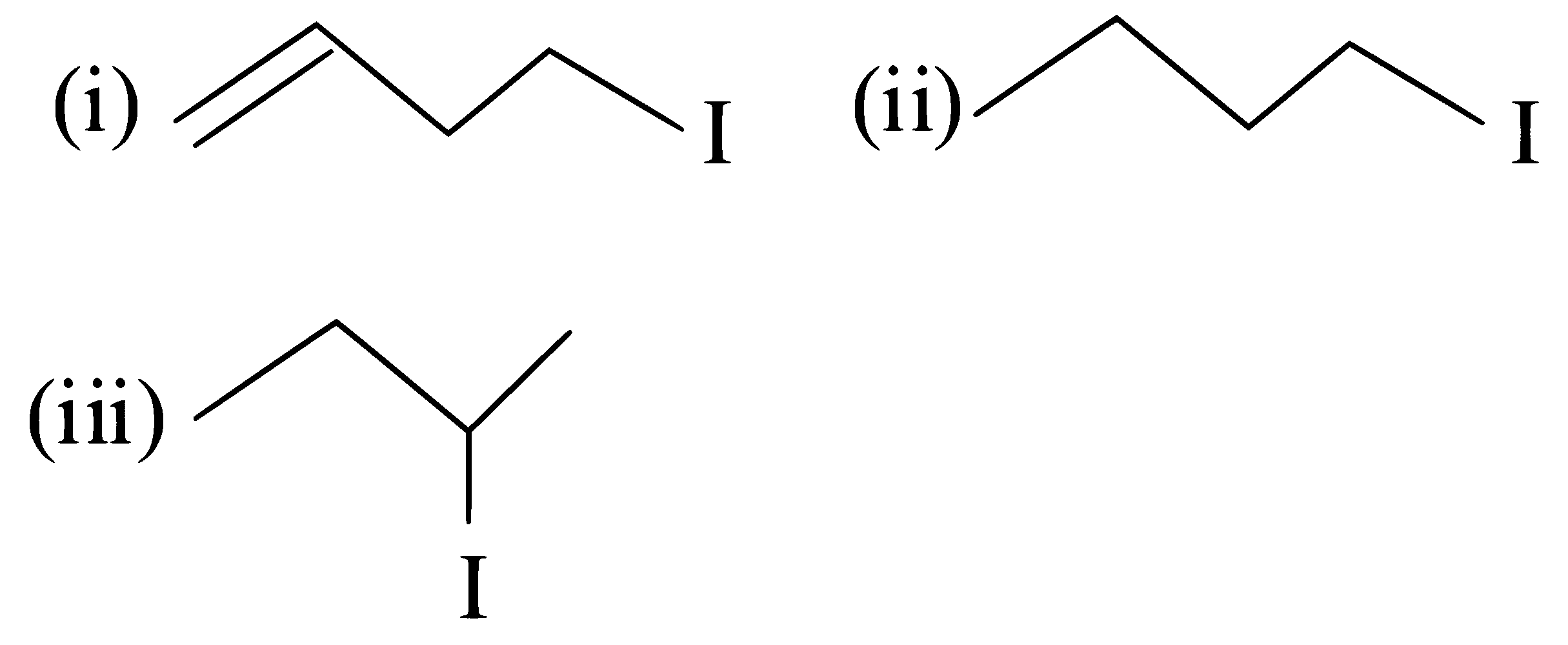
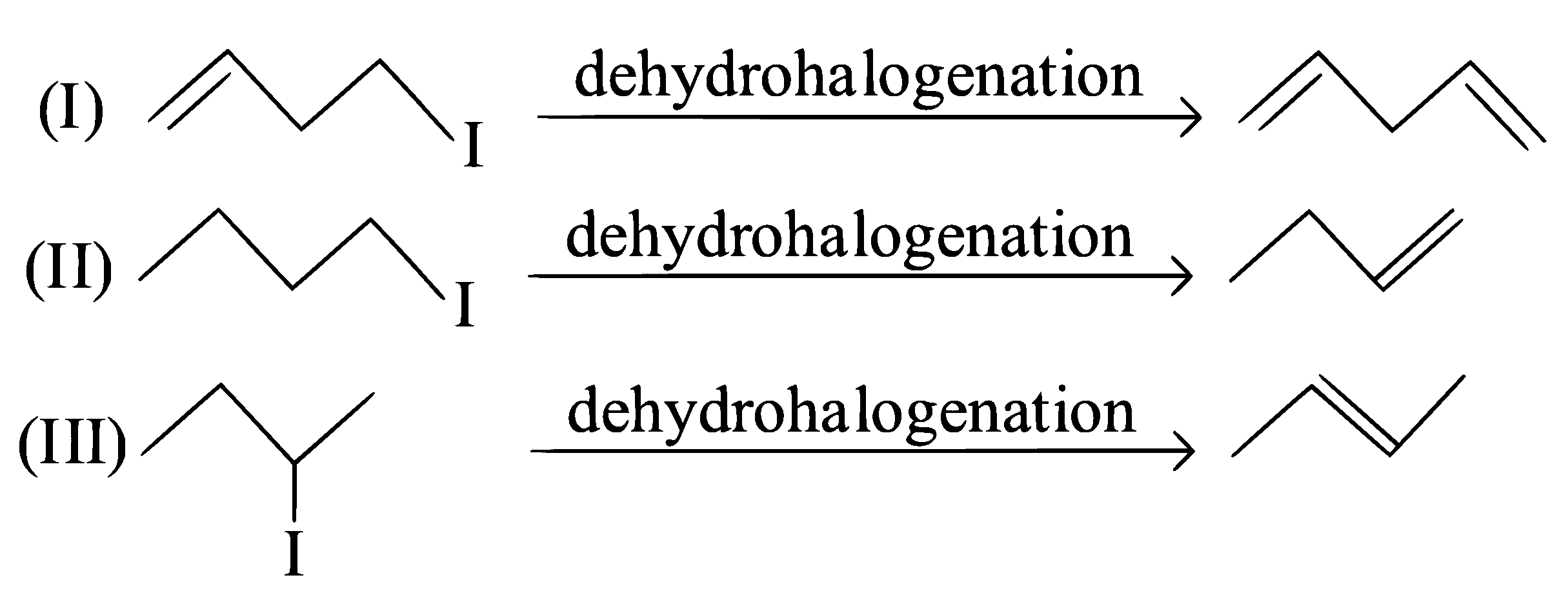
Rate of Dehydrohalogenation : II < III < I
Given below are two statements:
Statement I : In an organic compound, when inductive and electromeric effects operate in opposite directions, the inductive effect predominates.
Statement II : Hyperconjugation is observed in o-xylene.
In the light of the above statements, choose the correct answer from the options given below :
To address these statements, let's analyze each one :
Statement I : "In an organic compound, when inductive and electromeric effects operate in opposite directions, the inductive effect predominates."
Statement II : "Hyperconjugation is observed in o-xylene."
Based on these explanations :
Thus, the correct option is :
Option B : Statement-I is false but Statement-II is true.
Which amongst the following reactions of alkyl halides produces isonitrile as a major product?
(A)
(B)
(C)
(D)
Choose the most appropriate answer from the options given below:
Isonitrile
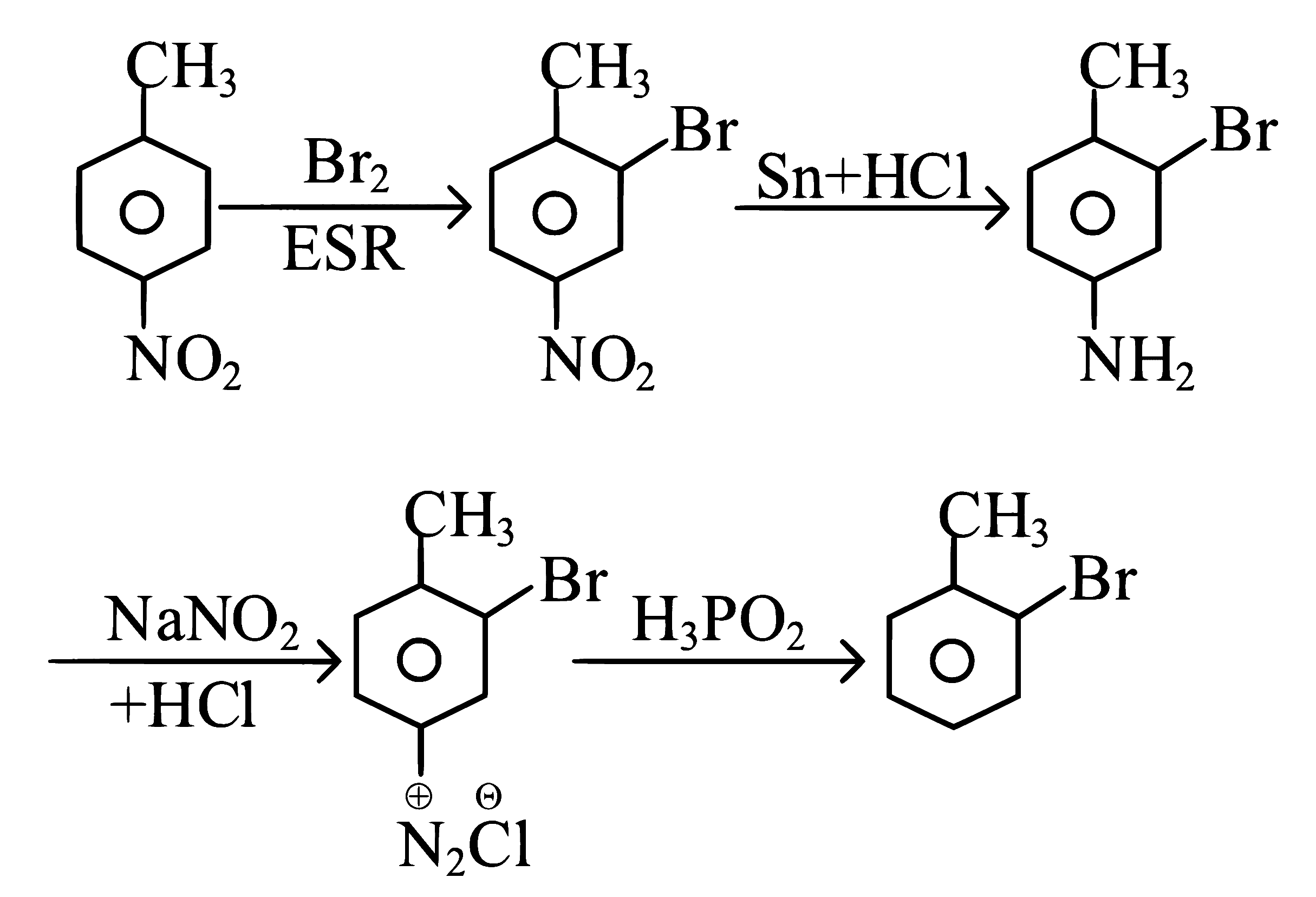
Choose the correct sequence of reagents in the conversion of 4-nitrotoluene to 2-bromotoluene.
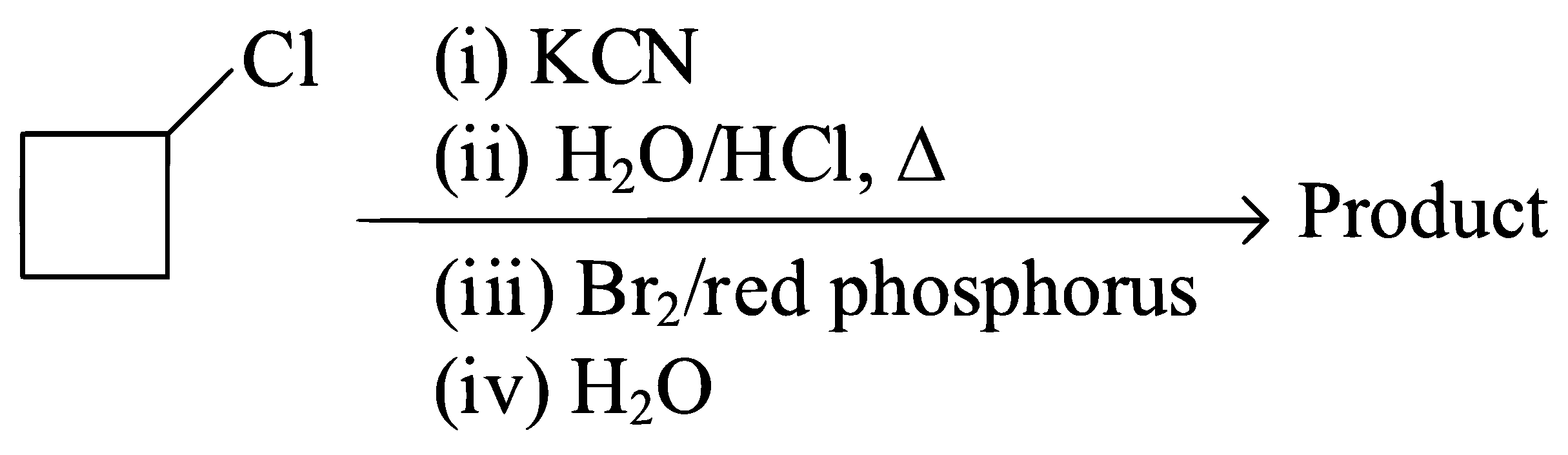
Identify the product in the following reaction
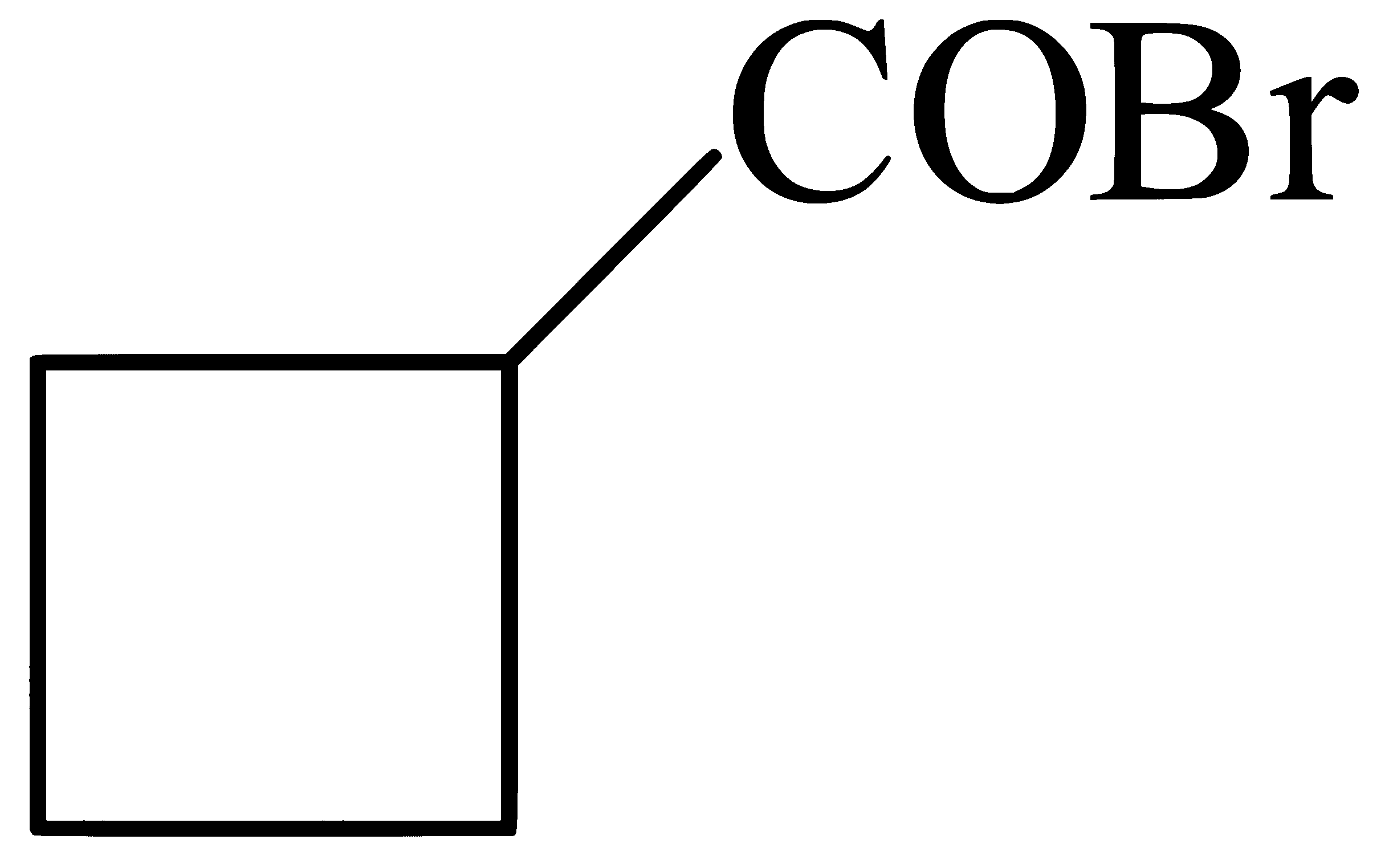
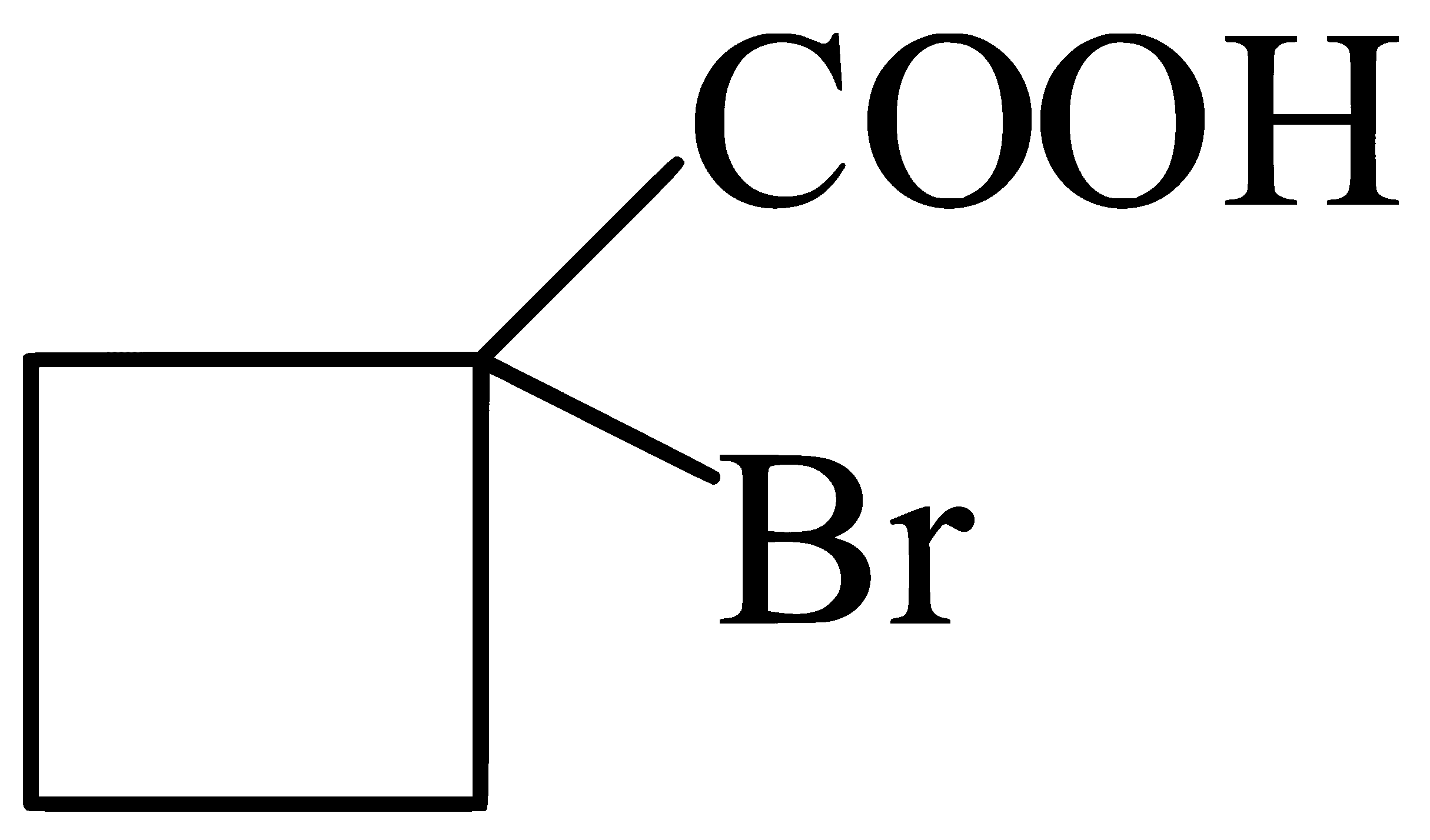
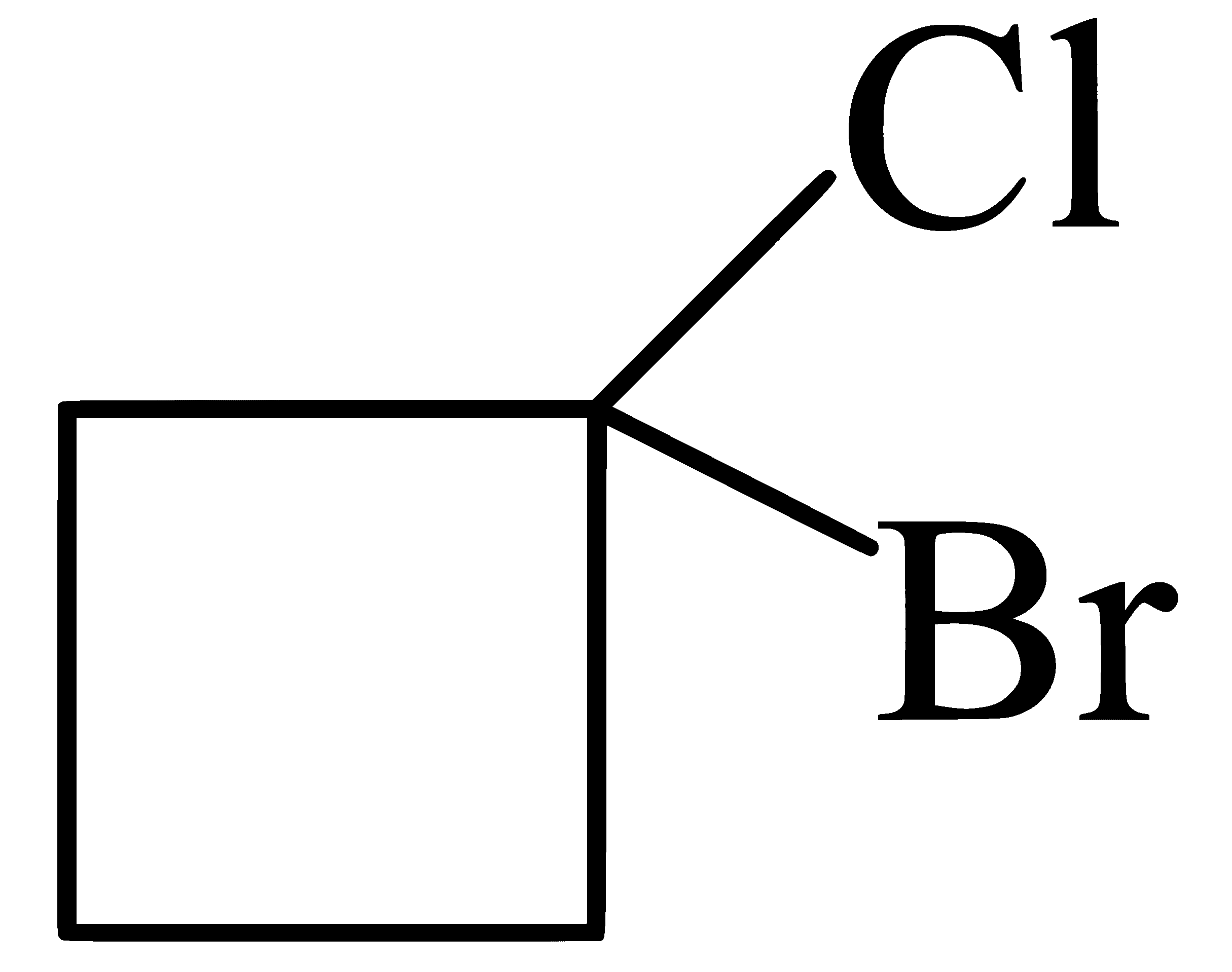
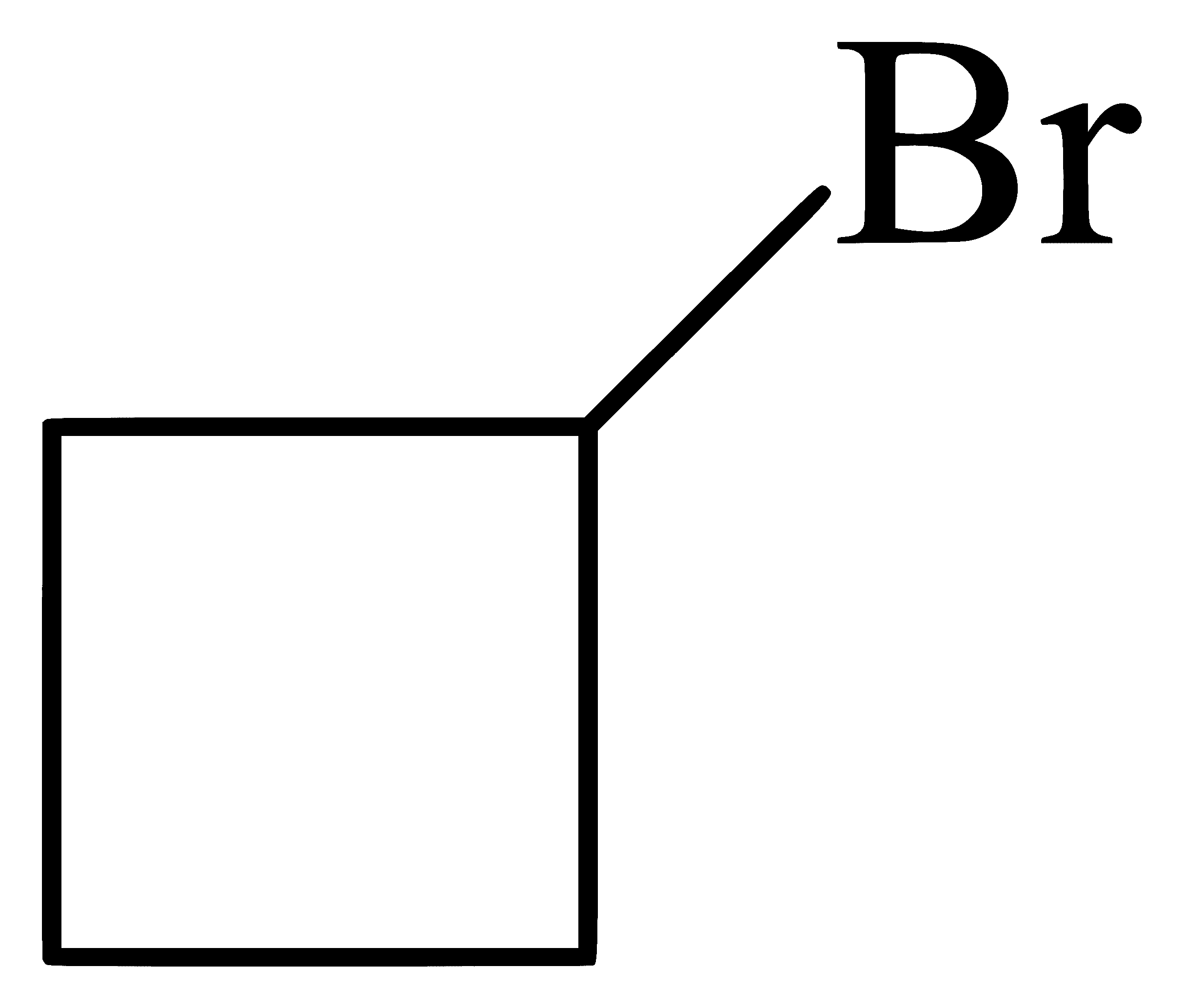
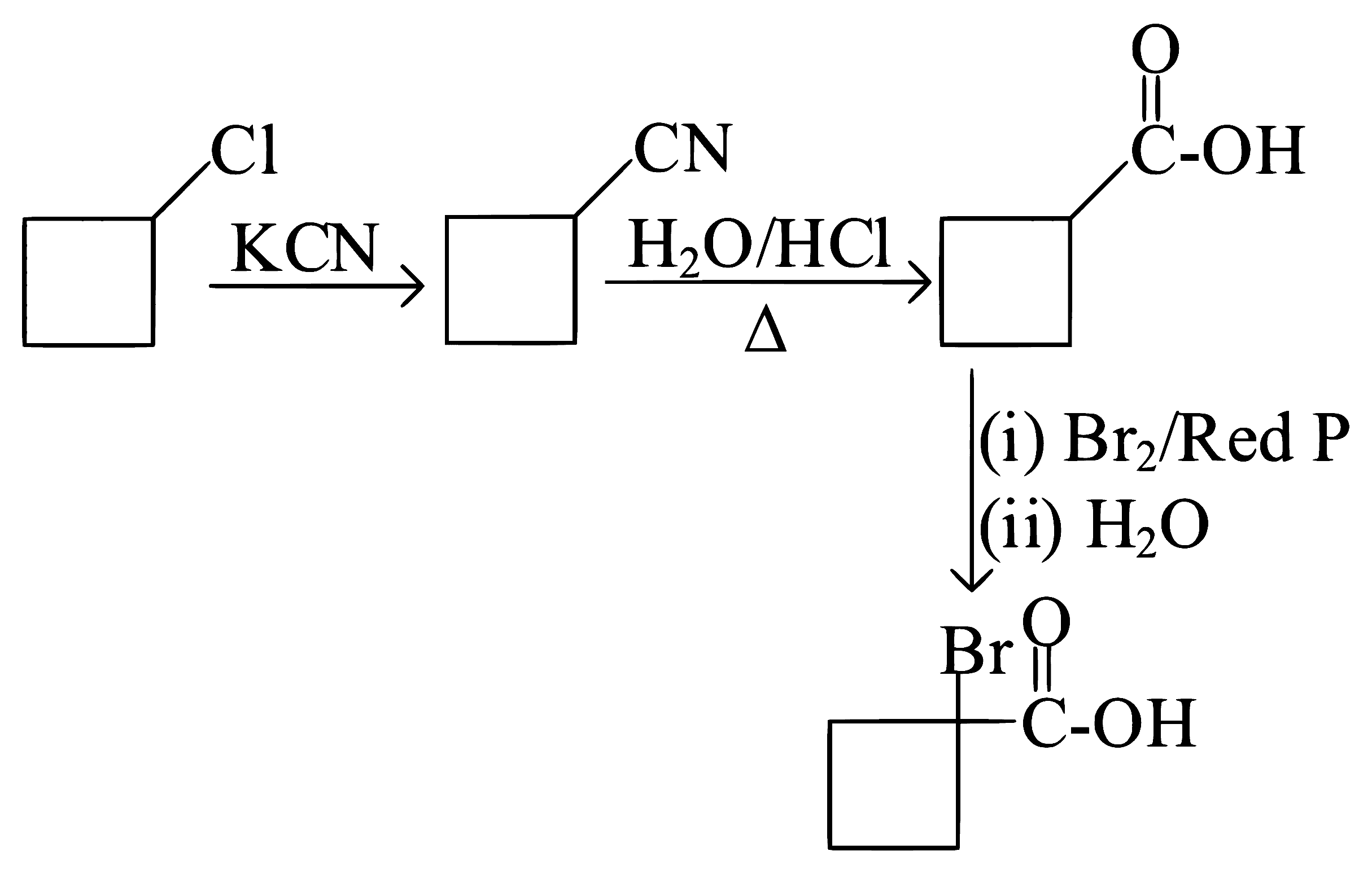
Identify 'X' in the following reaction.
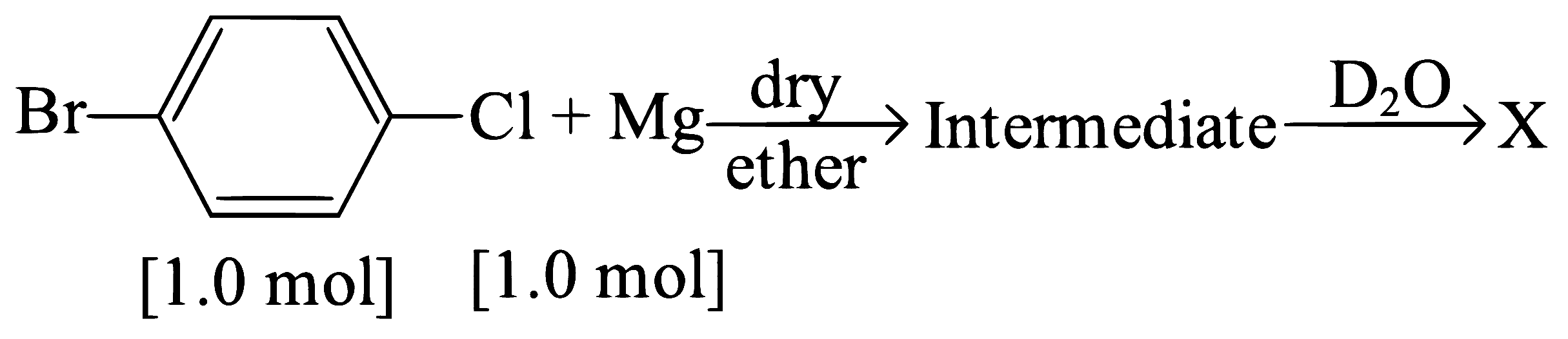
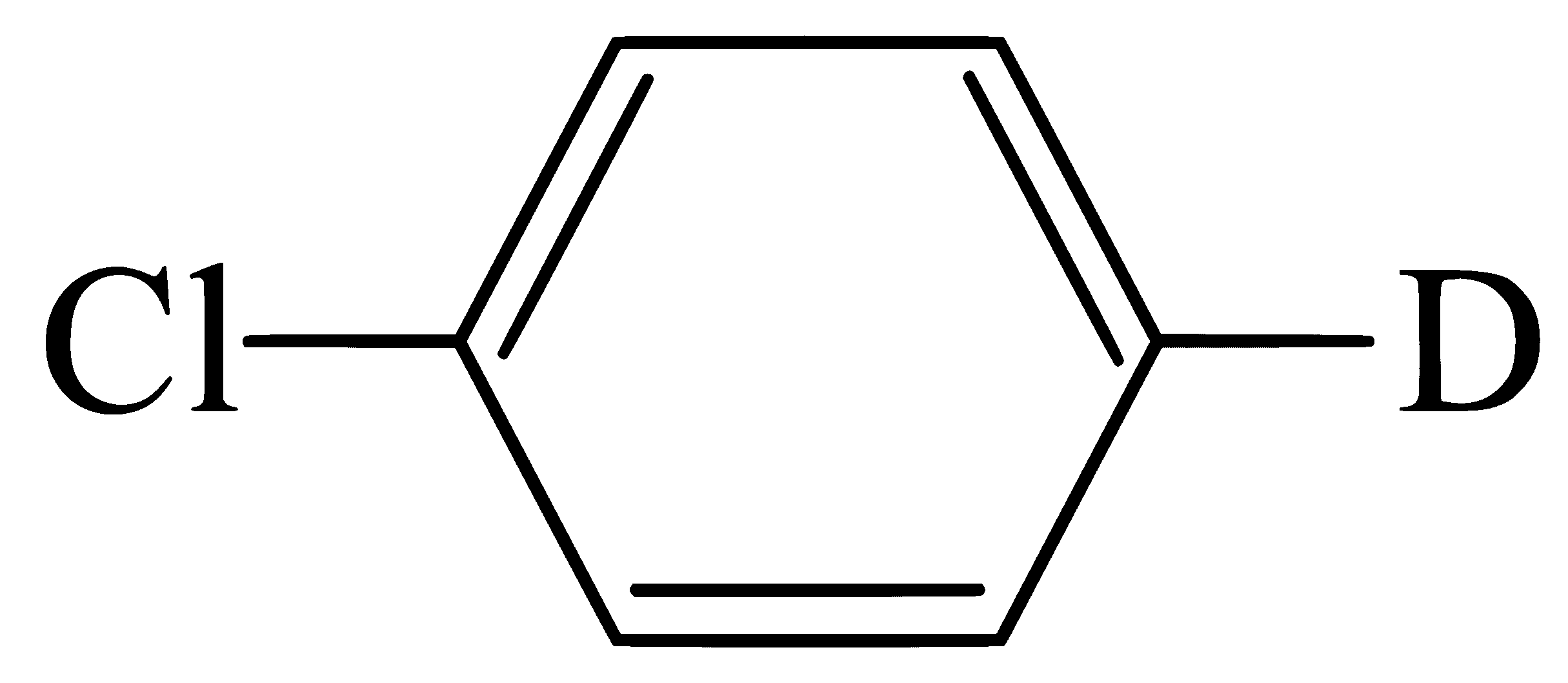
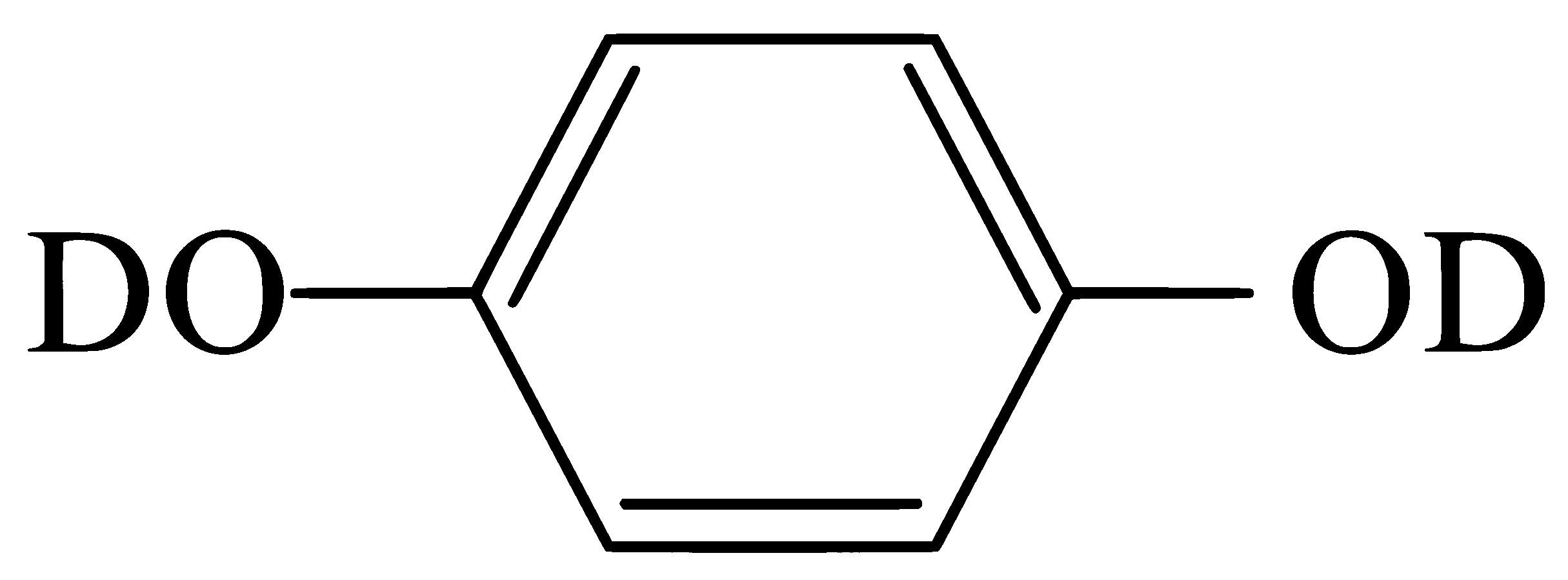
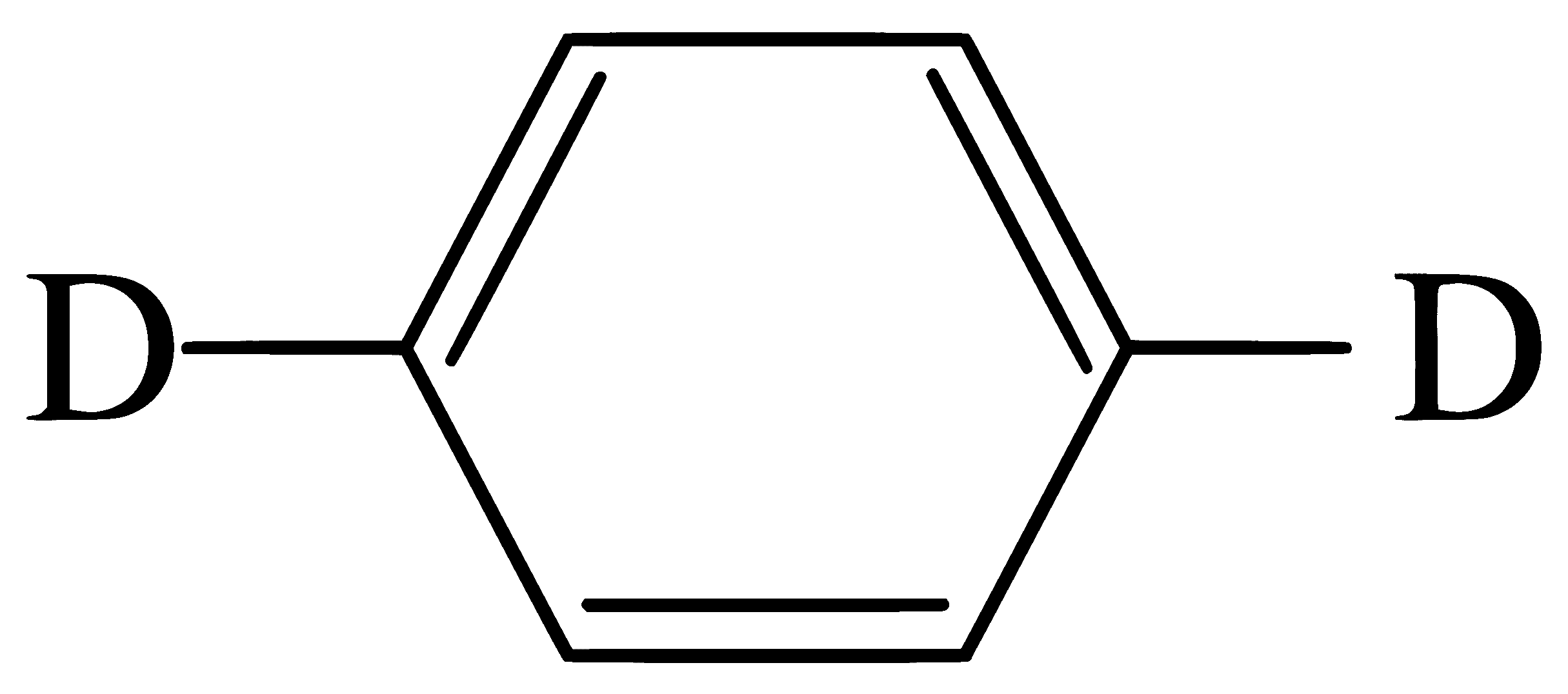
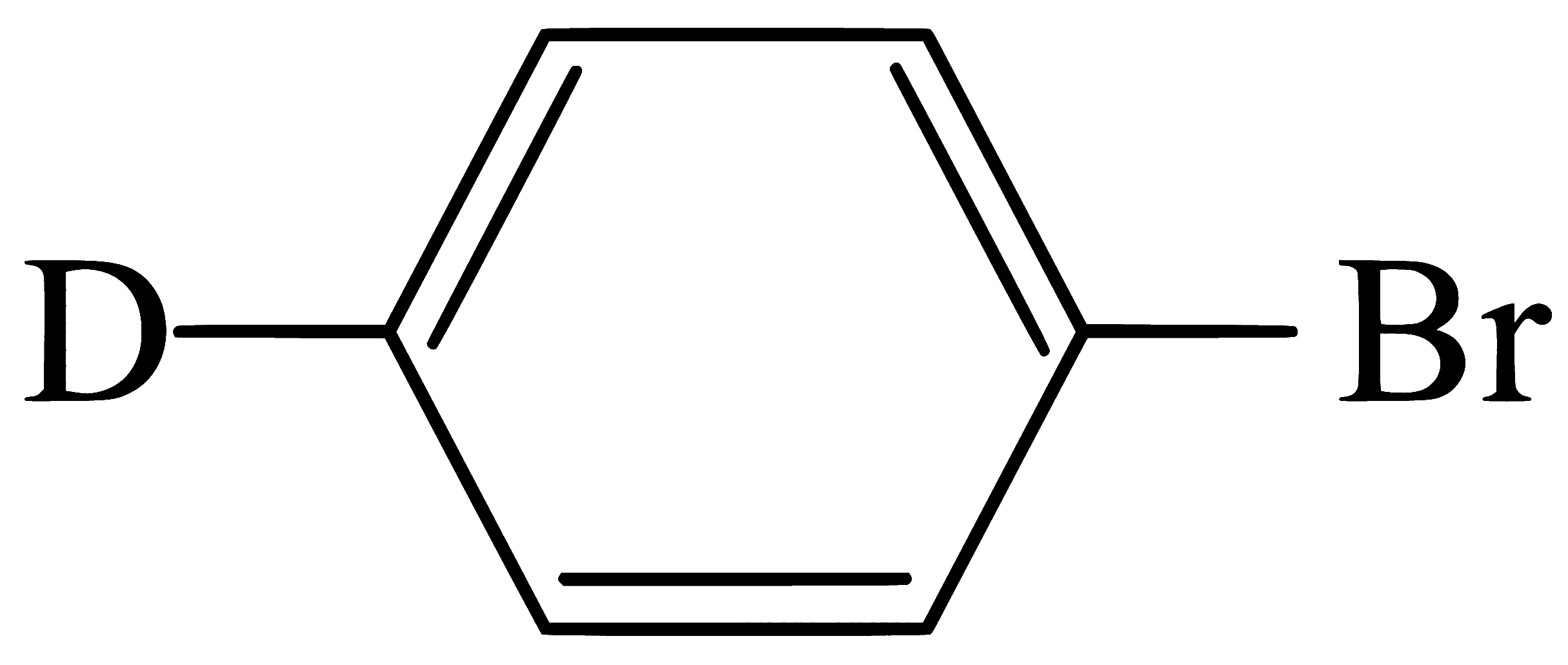
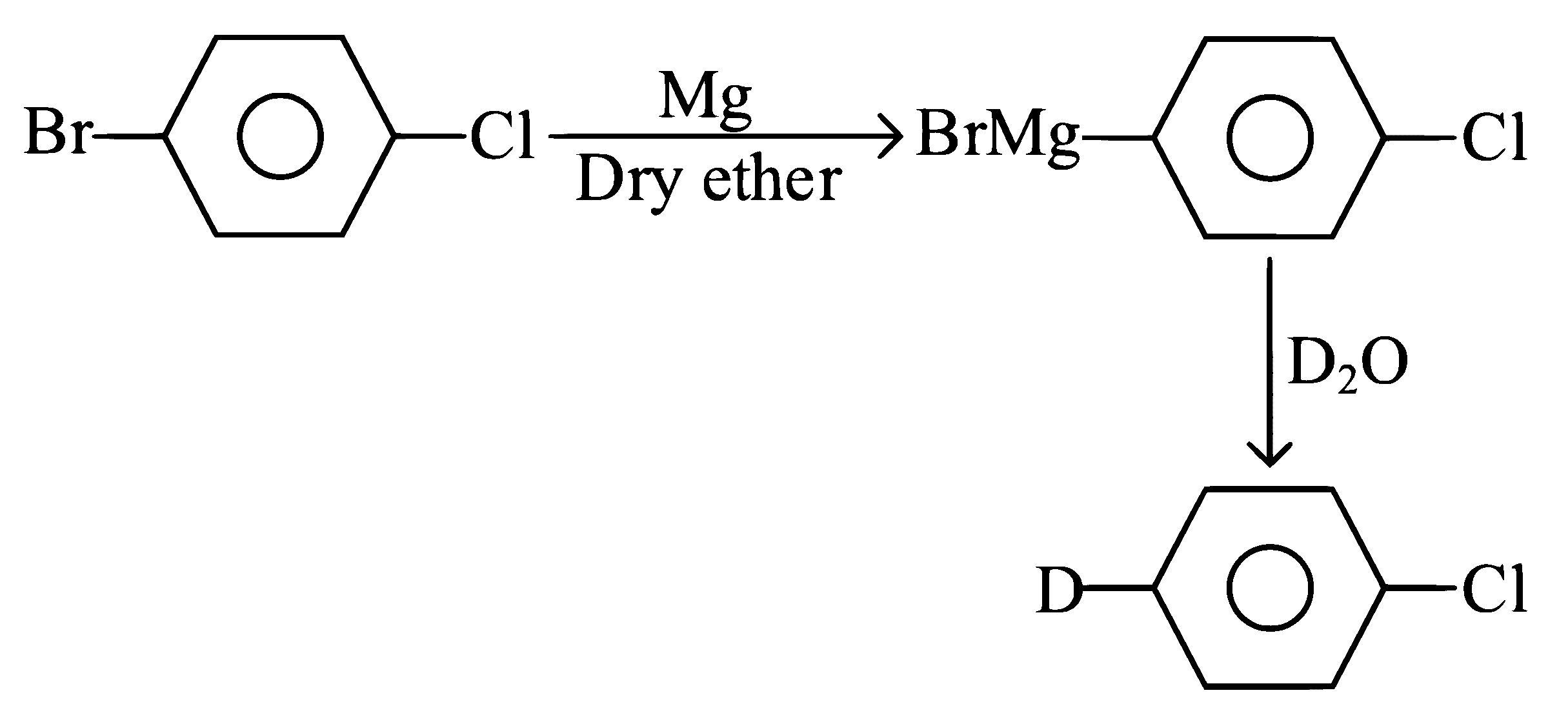
Consider the given reaction:
The functional groups present in compound "" are:
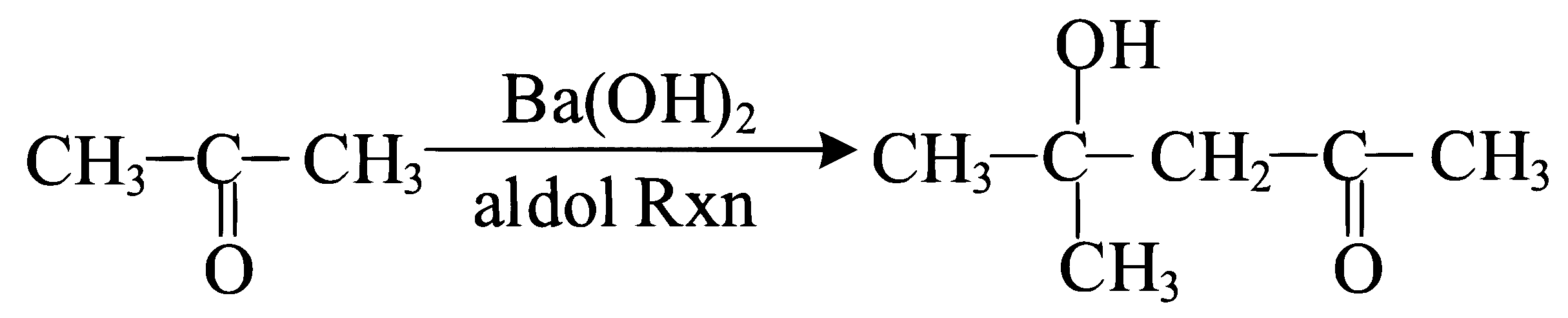
Functional groups present in product are alcohol and ketone.
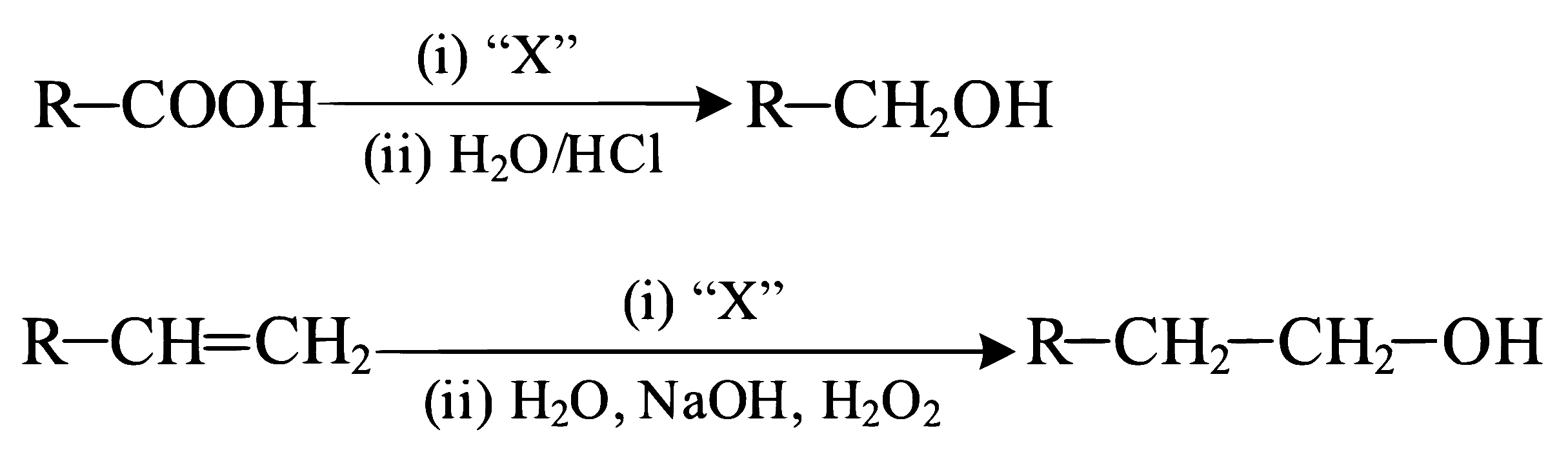
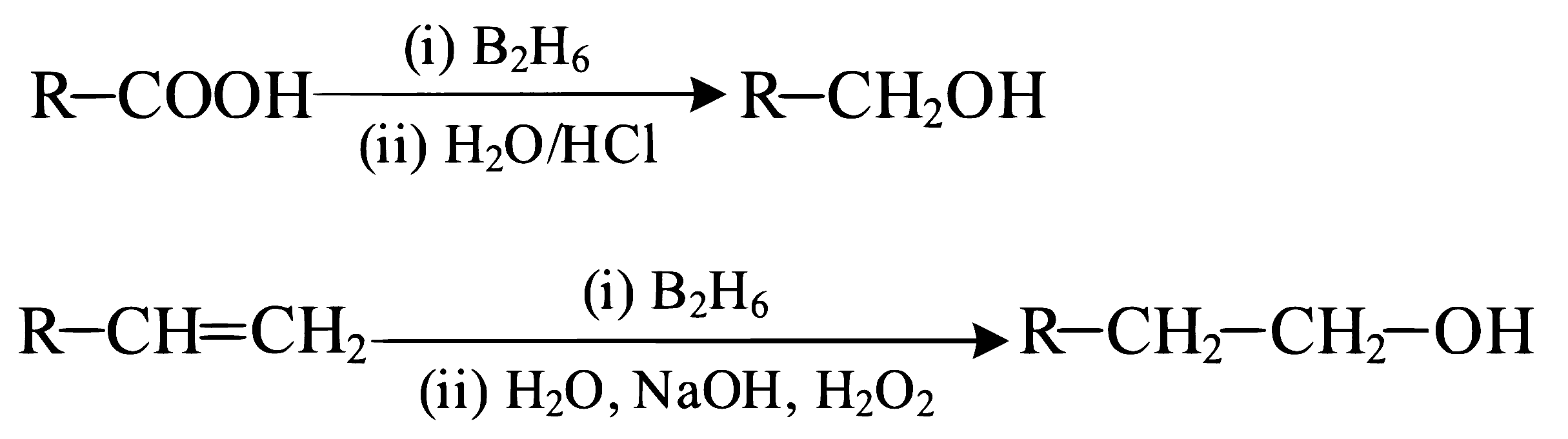
Identify 'X' in above reactions
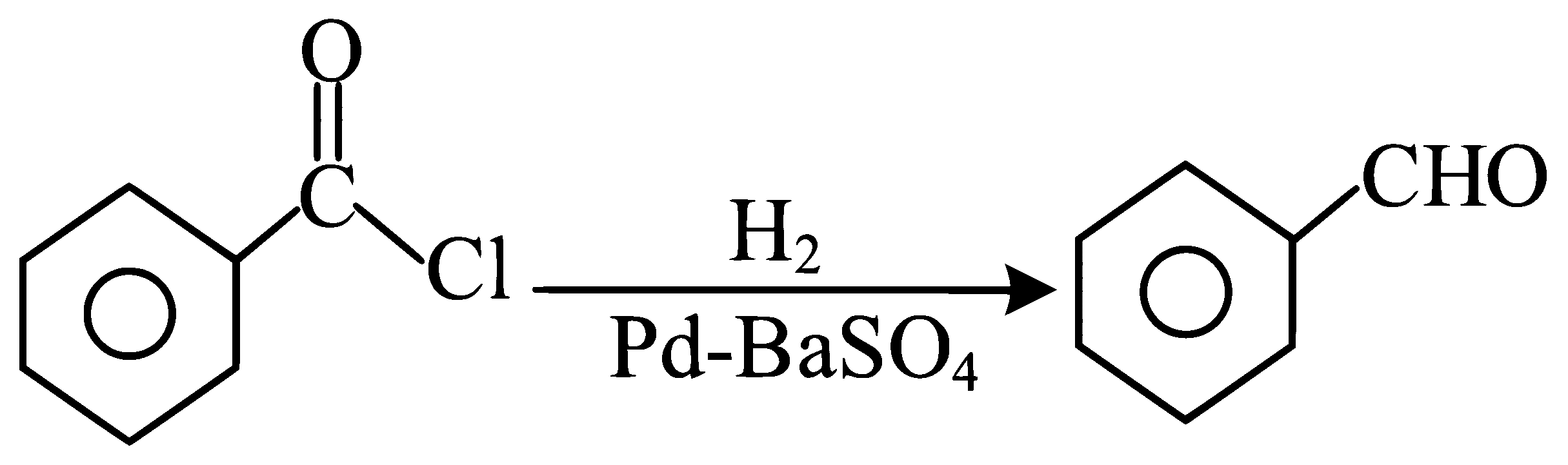
The following conversion is known as:
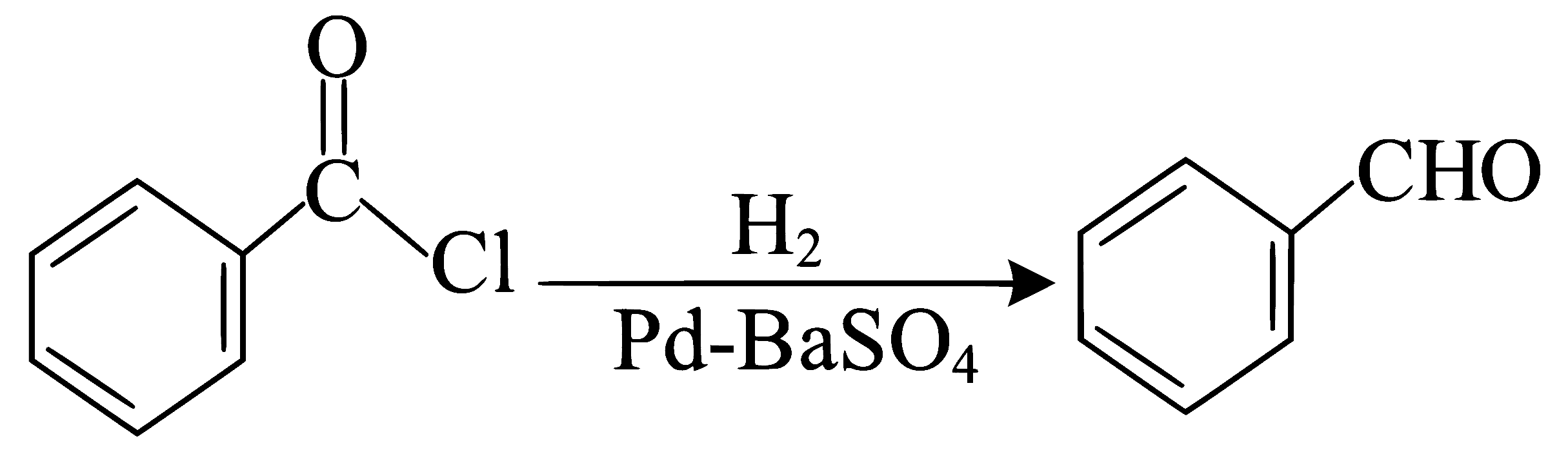
Rosenmund reaction
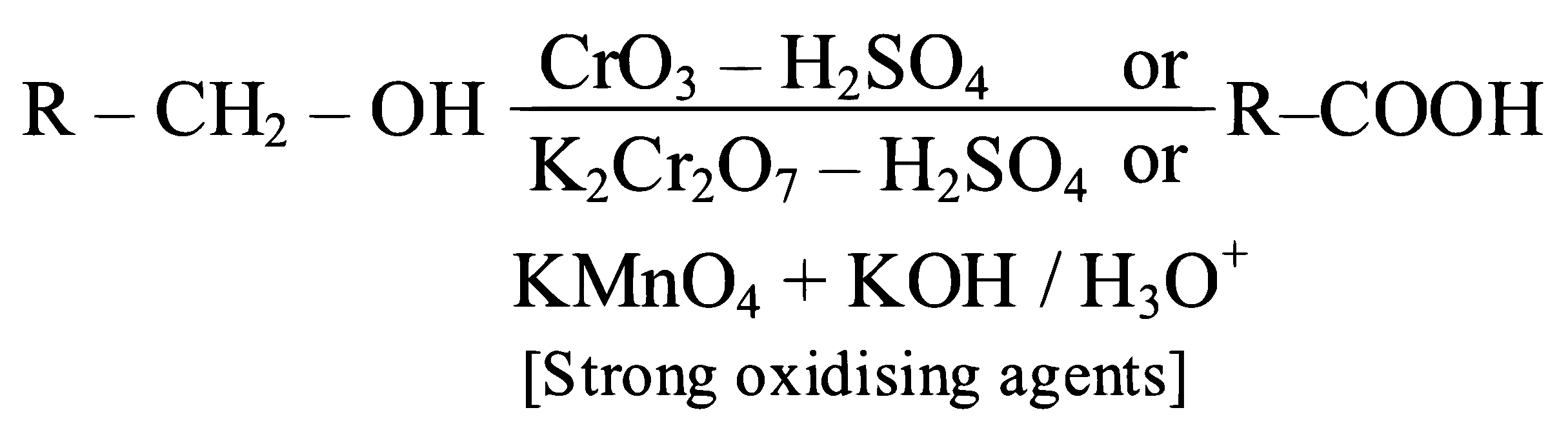
Reagents which can be used to convert alcohols to carboxylic acids, are
(A)
(B)
(C)
(D)
(E)
Choose the most appropriate answer from the options given below :
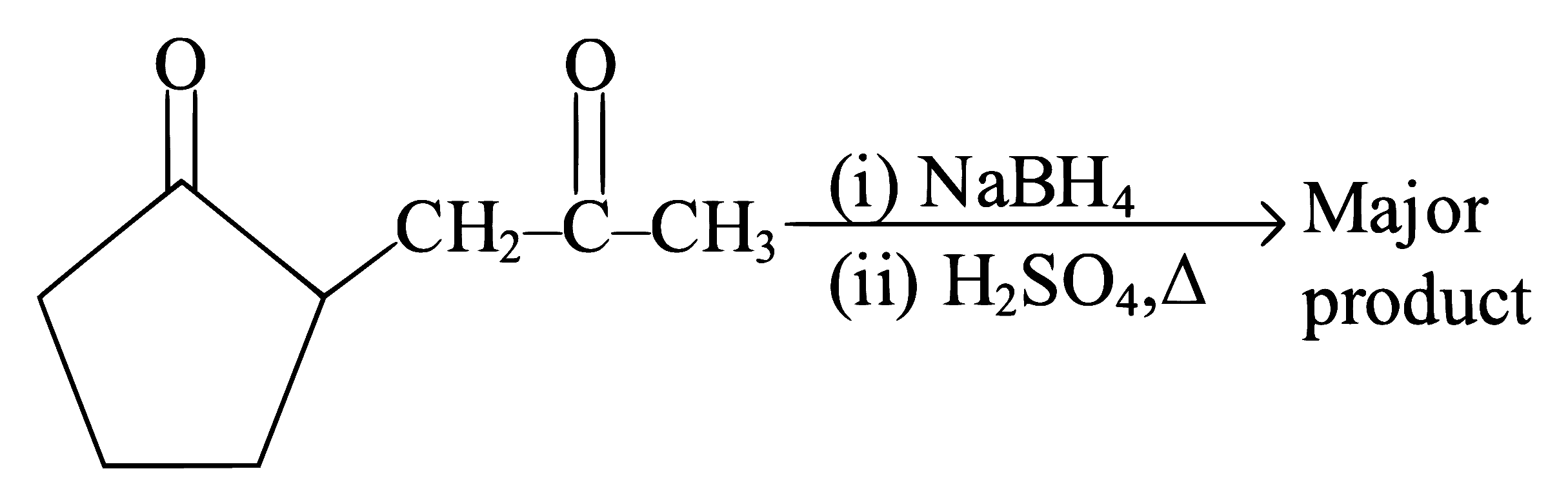
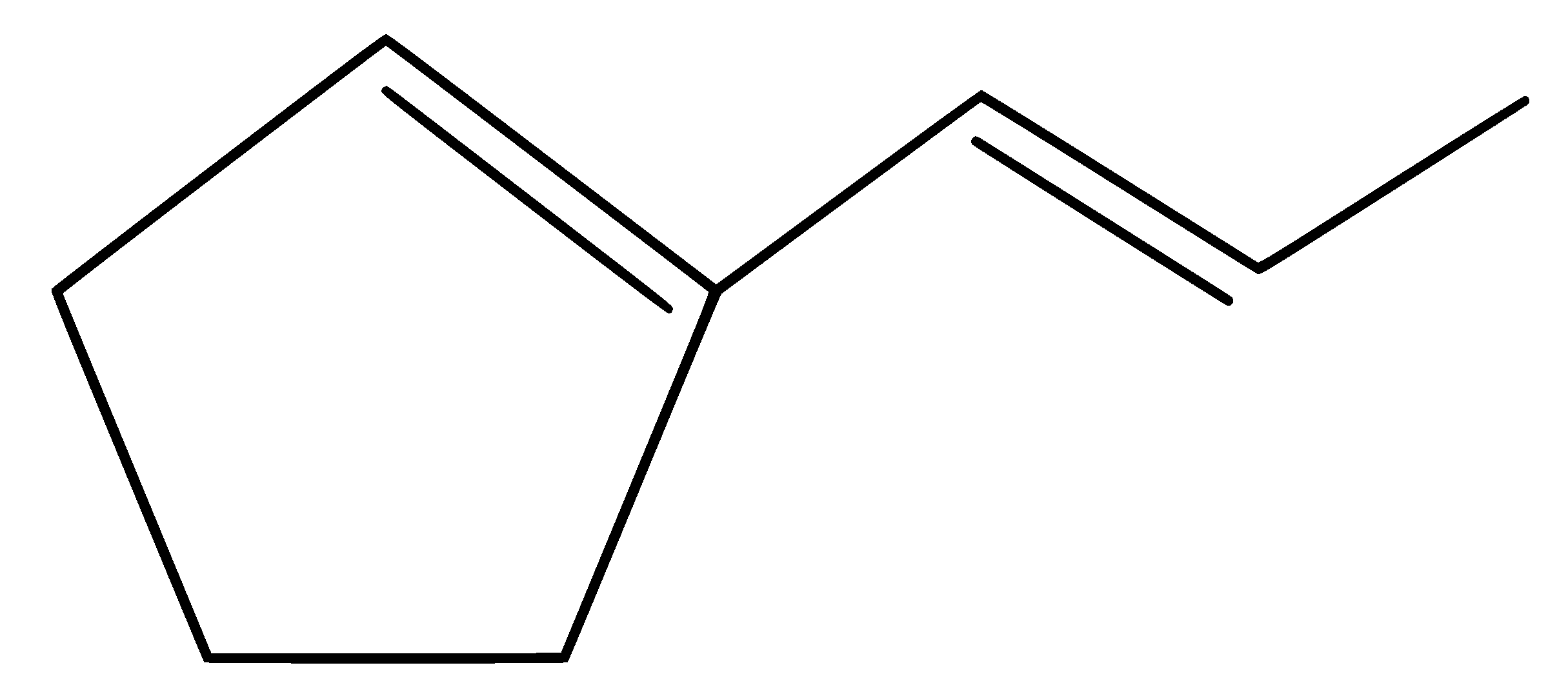
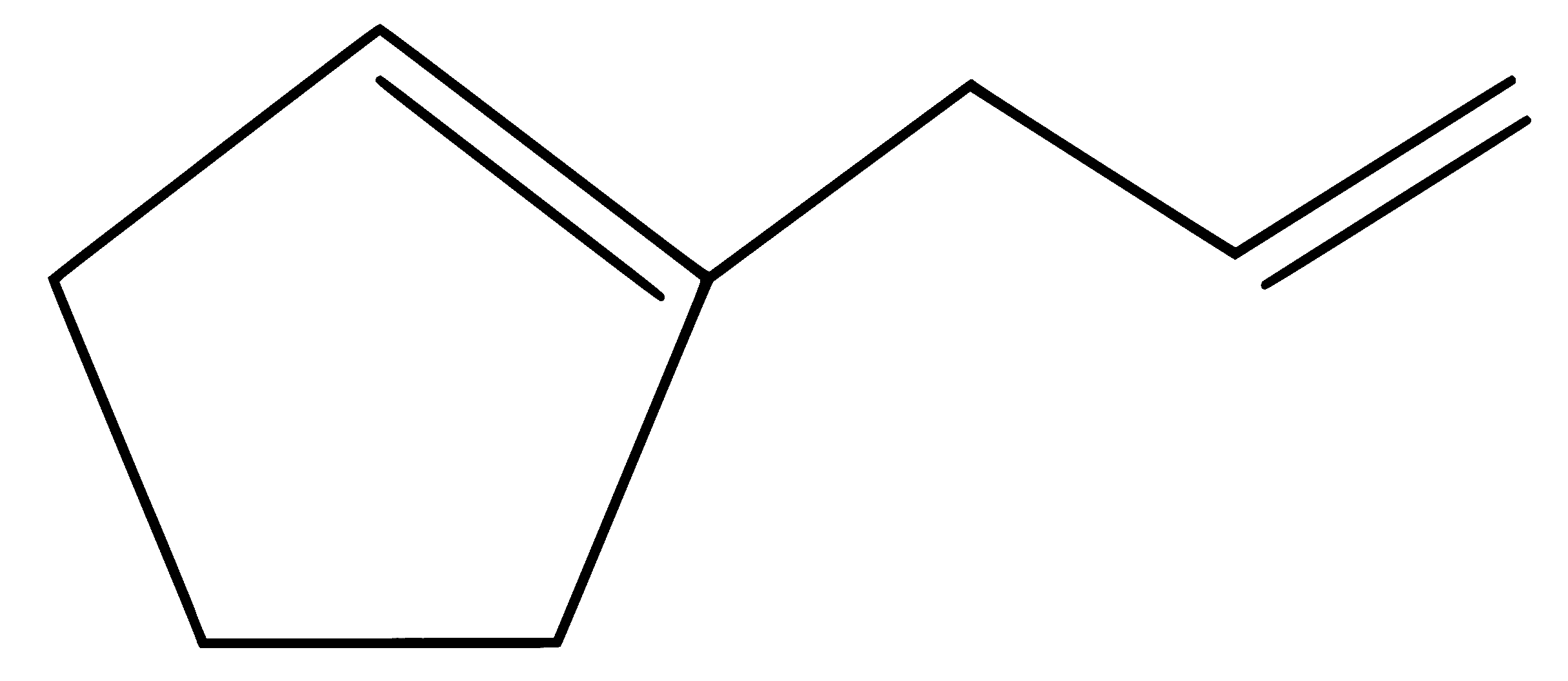
The major product formed in the following conversion is ___________.
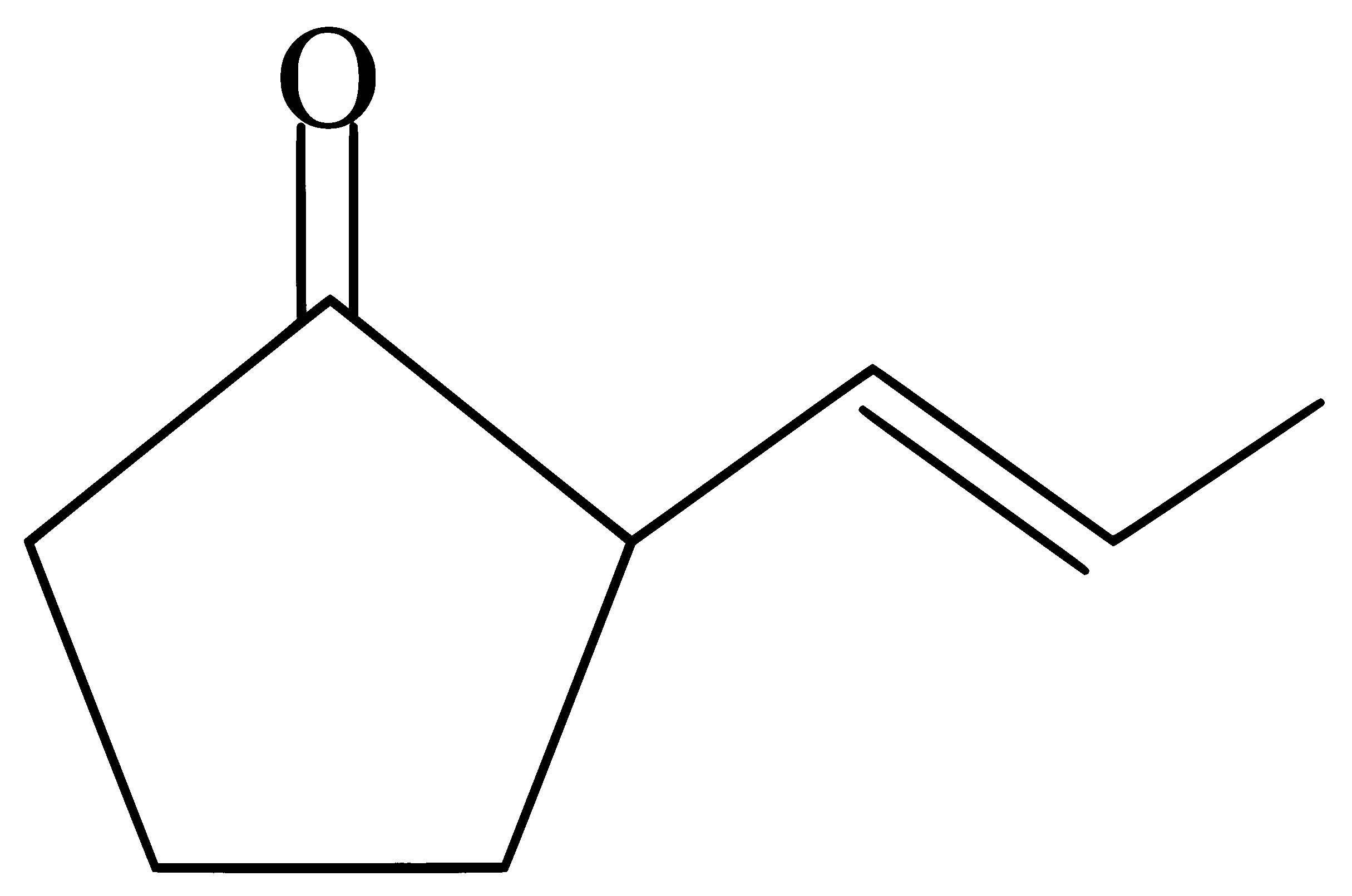
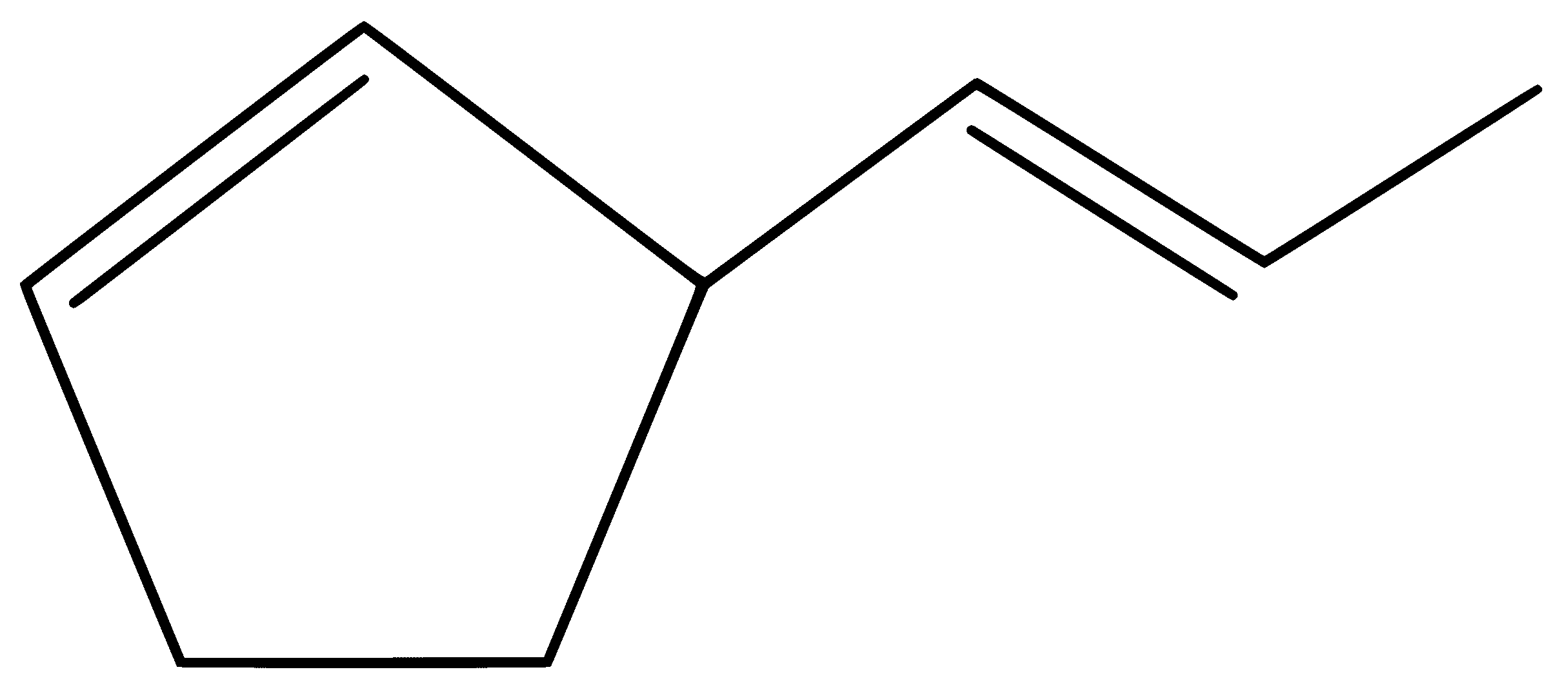
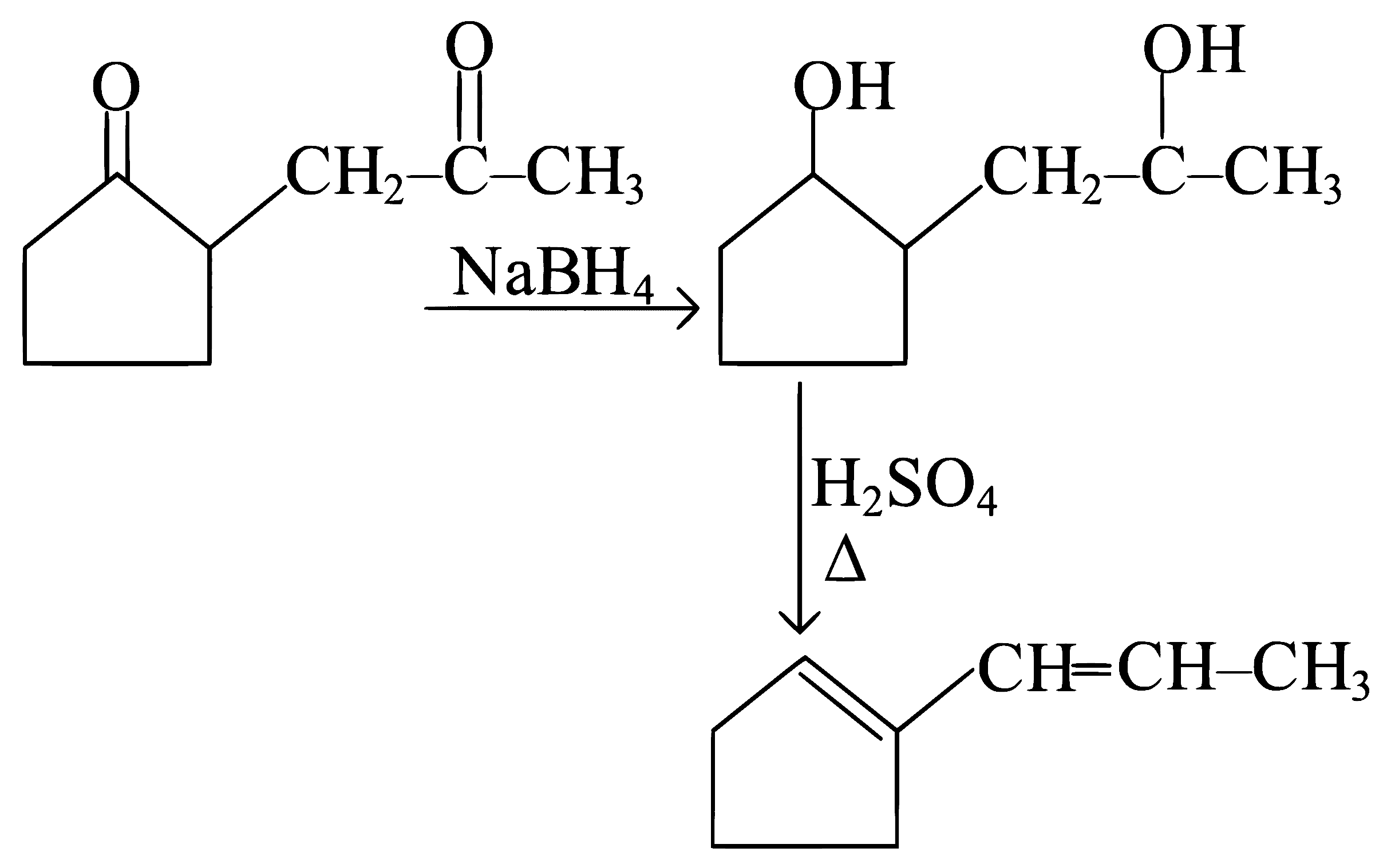
Given below are two statements:
Statement I : High density polythene is formed in the presence of catalyst triethylaluminium and titanium tetrachloride.
Statement II : High density polymers are chemically inert.
In the light of the above statements, choose the correct answer from the options given below :
NCERT Pg. 436 (Polymer)
Cheilosis occurs due to deficiency of _________.
Cheilosis (Fissuring at corners of mouth and lips) occurs due to deficiency of vitamin B (Riboflavin)
Which amongst the following is used in controlling depression and hypetension?
Equanil is used in controlling depression and hypertension.
Given below are two statements :
Statement I :- In bacteria, the mesosomes are formed by the extensions of plasma membrane.
Statement II :- The mesosomes, in bacteria, help in DNA replication and cell wall formation.
In the light of the above statements, choose the most appropriate answer from the options given below:
The correct answer is :
Option C : Both Statement I and Statement II are correct.
Here's why :
Statement I : In bacteria, the mesosomes are indeed formed by the extensions of the plasma membrane into the cytoplasm. They are typically observed as invaginations of the plasma membrane.
Statement II : Mesosomes in bacteria are thought to assist in several cellular processes including DNA replication, distribution of DNA during cell division, respiration, and cell wall formation. Hence, this statement is also correct.
Which of the following statements are correct with respect of Golgi apparatus ?
(A) It is the important site of formation of glycoprotein and glycolipids.
(B) It produces cellular energy in the form of ATP.
(C) It modifies the protein synthesized by ribosomes on ER.
(D) It facilitates the transport of ions.
(E) It provides mechanical support.
Choose the most appropriate answer from the options given below :
The Golgi apparatus, sometimes called the Golgi body or Golgi complex, plays a critical role in the processing and packaging of proteins and lipids following their synthesis in the endoplasmic reticulum. It also has a role in the formation of glycoproteins and glycolipids.
So, among the given statements :
(A) It is the important site of formation of glycoprotein and glycolipids - This statement is correct.
(B) It produces cellular energy in the form of ATP - This statement is incorrect. The mitochondria, not the Golgi apparatus, are responsible for the production of ATP.
(C) It modifies the protein synthesized by ribosomes on ER - This statement is correct. The Golgi apparatus modifies and packages proteins received from the ER.
(D) It facilitates the transport of ions - This statement is not generally correct. Ion transport is primarily facilitated by the plasma membrane and ion channels.
(E) It provides mechanical support - This statement is incorrect. While the Golgi apparatus does help maintain cellular structure to a degree, its main role is in processing and packaging substances, not providing mechanical support.
So the most appropriate answer from the options given would be Option B : (A) and (C) only.
Match List - I with List - II
| List - I | List - II | ||
|---|---|---|---|
| (A) | Protein | (I) | C=C double bonds |
| (B) | Unsaturated fatty acid | (II) | Phosphodiester bond |
| (C) | Nucleic acid | (III) | Glycosidic bonds |
| (D) | Polysaccharide | (IV) | Peptide bonds |
Choose the correct answer from the options given below :
The correct matchings are :
(A) Protein - This is a polymer made up of amino acids linked by peptide bonds. So, (A) matches with (IV) Peptide bonds.
(B) Unsaturated fatty acid - These have one or more C=C double bonds in their hydrocarbon chain. So, (B) matches with (I) C=C double bonds.
(C) Nucleic acid - These are polymers made up of nucleotides linked by phosphodiester bonds. So, (C) matches with (II) Phosphodiester bond.
(D) Polysaccharide - These are polymers made up of monosaccharides linked by glycosidic bonds. So, (D) matches with (III) Glycosidic bonds.
So, the correct answer is Option C : (A)-(IV), (B)-(I), (C)-(II), (D)-(III).
Inulin is a polymer of :
Which of the following is not a secondary metabolite?
Secondary metabolites are organic compounds produced by organisms that are not directly involved in the normal growth, development, or reproduction of the organism. Examples include antibiotics, pigments, and toxins.
Curcumin, morphine, and anthocyanin are all examples of secondary metabolites.
Lecithin, however, is a type of phospholipid, which is a primary metabolite as it is directly involved in the normal growth and development of cells by being a key component of cell membranes.
So, the correct answer is Option : Lecithin.
Match List-I with List-II.
| List - I | List - II | ||
|---|---|---|---|
| (A) | Terpenoides | (I) | Codeine |
| (B) | Lectins | (II) | Diterpenes |
| (C) | Alkaloids | (III) | Ricin |
| (D) | Toxins | (IV) | Concanavalin A |
Choose the correct answer from the options given below :
List I contains a list of categories of secondary metabolites or proteins, while List II contains examples of specific compounds.
Terpenoids are a large class of organic chemicals similar to terpenes, and diterpenes are a type of terpenoids. So, A matches with II.
Lectins are a type of protein that can bind specifically to certain sugars and so play a role in recognizing carbohydrates. Concanavalin A is a lectin. So, B matches with IV.
Alkaloids are a class of naturally occurring organic compounds that mostly contain basic nitrogen atoms. Codeine is an alkaloid found in opium poppy. So, C matches with I.
Toxins are poisonous substances produced within living cells or organisms. Ricin is a toxin. So, D matches with III.
Therefore, the correct answer is Option D : A-(II), B-(IV), C-(I), D-(III).
The dissolution of synaptonemal complex occurs during :
The dissolution of the synaptonemal complex occurs during :
Option B : Diplotene
Diplotene is the stage of meiosis during which the synaptonemal complex, a structure that holds homologous chromosomes together, dissolves, and the chromosomes begin to move apart, although they remain attached at chiasmata (points of crossing over).
Doubling of the number of chromosomes can be achieved by disrupting mitotic cell division soon after :
The doubling of the number of chromosomes can be achieved by disrupting mitotic cell division soon after DNA replication has occurred and before the separation of sister chromatids. This stage of mitosis is the metaphase, where chromosomes align in the center of the cell, prior to separation in anaphase.
If mitosis is disrupted after this point, sister chromatids cannot separate, leading to a doubling of the chromosome number in the resulting cells.
So, the correct answer is :
Option D : Metaphase.
During which stages of mitosis and meiosis, respectively does the centromere of each chromosome split ?
The centromere of each chromosome splits during the anaphase stage of both mitosis and meiosis.
In mitosis, this happens during anaphase, when sister chromatids separate and move to opposite poles of the cell.
In meiosis, the centromere splits during anaphase II, which is similar to anaphase of mitosis, and sister chromatids separate.
So, the correct answer is :
Option D : Anaphase, Anaphase II.
Which one of the following is the quiescent stage of cell cycle?
The cell cycle comprises several stages through which a cell passes during its life, from its formation to its division into two daughter cells.
Option A : M (Mitotic phase) - This is the phase where the cell divides.
Option B : G2 (Gap 2) - This is the phase of the cell cycle following DNA replication (S phase) and preceding mitosis (M phase). During this time, the cell will continue to grow and produce proteins necessary for cell division.
Option C : G1 (Gap 1) - This phase follows cell division (M phase) and precedes DNA replication (S phase). In this phase, the cell grows and monitors its environment to determine whether it should initiate DNA synthesis.
Option D : G0 (Gap 0) - This is a stage where cells are neither dividing nor preparing to divide. Instead, they are performing their designated functions and are in a state of dormancy or quiescence.
So, the quiescent stage of the cell cycle is :
Option D : G0.
Select correct sequence of substages of Prophase-I of Meiotic division :
(A) Zygotene
(B) Pachytene
(C) Diakinesis
(D) Leptotene
(E) Diplotene
Choose the correct answer from the options given below :
Leptotene (D) : This is the first stage of Prophase I. During this stage, the chromosomes begin to condense and become visible under a microscope.
Zygotene (A) : In this stage, homologous chromosomes begin to pair up, a process known as synapsis. This pairing forms structures known as bivalents or tetrads, which allow for crossing-over (exchange of genetic material) to occur.
Pachytene (B) : This is the stage when crossing-over occurs. Recombination nodules appear where the crossing-over has occurred. These are the physical manifestation of genetic recombination, which increases genetic diversity.
Diplotene (E) : At this point, the homologous chromosomes begin to separate, but remain attached at points called chiasmata. This separation of chromosomes is called desynapsis.
Diakinesis (C) : This is the final stage of Prophase I. The chiasmata move to the ends of the chromosomes, and the nuclear membrane breaks down, signaling the end of Prophase I.
So, the correct order of the stages is: Leptotene, Zygotene, Pachytene, Diplotene, and Diakinesis. Hence, the correct answer is Option C: (D), (A), (B), (E), (C).
In which of the following sets of families, the pollen grains are viable for months?
In some members of Rosaceae, Solanaceae, Leguminosae pollen maintain viability for months.
In some cereals like rice and wheat belonging to Poaceae family to pollen loose viability within 30
minutes of their release.
Transfer of pollen grains from anther to stigma of another flower of same plant is known as :
The correct answer is :
Option A : Geitonogamy
Explanation :
Geitonogamy refers to the transfer of pollen from the anther of one flower to the stigma of another flower on the same plant. While this process involves pollination between different flowers, because it occurs on the same plant, it does not increase genetic diversity.
Here's a quick overview of the other terms :
Xenogamy refers to the transfer of pollen grains from the anther of a flower to the stigma of a flower on a different plant. This is cross-pollination and promotes genetic diversity.
Autogamy refers to the transfer of pollen from the anther to the stigma of the same flower. This is self-pollination.
Cleistogamy refers to a type of automatic self-pollination where the flowers do not open and are therefore self-pollinated before they open.
In angiosperms the correct sequence of events in formation of female gametophyte in the ovule is :
(A) 3 successive free nuclear divisions functional megaspore.
(B) Degeneration of 3 megaspores.
(C) Meiotic division in megaspore mother cell.
(D) Migration of 3 nuclei towards each pole.
(E) Formation of wall resulting in seven celled embryosac.
Choose the correct answer from the options given below :
The process of female gametophyte formation in angiosperms, also known as megagametogenesis, involves several steps :
1. Meiotic division in the megaspore mother cell (megasporocyte) - This division leads to the production of four haploid cells, which are the megaspores.
2. Degeneration of three of the four megaspores - Typically, three of these megaspores degenerate, leaving a single functional megaspore.
3. Successive mitotic divisions (not meiotic) in the functional megaspore - These divisions are typically free-nuclear (the nuclear membrane does not break down between divisions), and result in a multinucleate cell.
4. Migration of the nuclei to the cell periphery and formation of cell walls - This results in the creation of a seven-celled structure known as an embryo sac or female gametophyte.
5. The final structure of the female gametophyte includes an egg apparatus (one egg cell and two synergids), two polar nuclei in the central cell, and three antipodal cells.
Given these steps, the correct sequence of events in the formation of the female gametophyte is :
Option D : (C), (B), (A), (D), (E)
The transverse section of a plant part showed polyarch, radial and exarch xylem, with endodermis and pericycle. The plant part is identified as :
Consider the following tissues in the stelar region of a stem showing secondary growth.
(A) Primary xylem
(B) Secondary xylem
(C) Primary phloem
(D) Secondary phloem
Arrange these in the correct sequence of their position from pith towards corts.
Consider the following plant tissues :
(A) Axillary buds
(B) Fascicular vascular cambium
(C) Interfascicular cambium
(D) Cork cambium
(E) Intercalary meristem
Identify the lateral meristems among the above.
Option B : (B), (C) and (D) only
Explanation : Lateral meristems are the meristems that add to the width or girth in a process known as secondary growth. They are responsible for the secondary growth in plants and are found parallel to the sides of the plants.
Therefore, the correct answer is option B : Fascicular vascular cambium (B), Interfascicular cambium (C) and Cork cambium (D) only.
Identify the correct statements regarding Mass flow hypothesis.
(A) Mass flow is faster than diffusion.
(B) Mass flow is the result of pressure difference between the end points.
(C) Different substances involved in mass flow move at different paces.
(D) Mass flow can result through either a positive or a negative hydrostatic pressure gradient.
Choose the correct answer from the options given below :
The correct option is :
Option D : (A), (B), (D) only
Explanation :
The mass flow hypothesis, also known as the pressure-flow hypothesis, is a model used to explain the movement of sap through the phloem in plants.
(A) Mass flow is faster than diffusion - True. Mass flow is faster because it is driven by pressure differences, while diffusion relies on concentration gradients which usually results in slower movement.
(B) Mass flow is the result of pressure difference between the end points - True. According to the mass flow hypothesis, the movement of sap is driven by a pressure gradient between the source (where sugars are produced by photosynthesis) and the sink (where sugars are used).
(C) Different substances involved in mass flow move at different paces - False. In mass flow, all the components of the sap, including sugars, hormones, and minerals, move together at the same pace due to the pressure gradient.
(D) Mass flow can result through either a positive or a negative hydrostatic pressure gradient - True. The flow of sap in phloem can be both upward and downward, depending on where the source and sink are located, meaning it can follow both positive (from high to low pressure) and negative (from low to high pressure, which requires energy) pressure gradients.
During symport two different molecules move across the membrane :
Symport is a type of transport mechanism that occurs in a cell's membrane. In symport, two different molecules or ions are transported across the membrane in the same direction, but they are co-transported by the same carrier protein. So, the correct option is :
Option C : in same direction with the help of the same carrier.
The other three options describe different types of transport:
Option A : describes a situation where two different carriers at a common site are involved, which does not represent symport.
Option B : describes a situation where two different carriers at different sites in the same cell are involved, which also does not represent symport.
Option D : describes a situation where two molecules move in the opposite direction. This is a characteristic of antiport, not symport.
Given below are two statements :
Statement I : The process of translocation through phloem is unidirectional but through xylem, it is bidirectional.
Statement II : The most readily mobilized elements are phosphorus, sulphur, nitrogen and potassium.
In the light of the above statements, choose the most appropriate answer from the options given below :
The correct answer is :
Option B :
Statement I is incorrect but Statement II is correct.
Explanation :
Statement I is incorrect. The process of translocation in plants is bidirectional in phloem but unidirectional in xylem. Xylem primarily transports water and nutrients from the roots to the rest of the plant (upward direction), whereas phloem translocates sugars and other metabolic products from sources (like leaves) to sinks (areas of storage or growth, such as roots or fruits), which can be in either upward or downward direction.
Statement II is correct. Phosphorus, sulfur, nitrogen, and potassium are among the most readily mobilized elements in plants, especially during periods of nutritional stress. These nutrients are essential for plant growth and development and are actively translocated to areas where they are most needed.
Which of the following mineral ion is not remobilized in plants?
The correct answer is :
Option B : Calcium
Mineral remobilization is a process in which nutrients are transported from older tissues (like mature leaves) to newer ones (like young leaves or developing seeds). Most mineral ions like potassium, nitrogen, and phosphorus are remobilized in plants. However, calcium, once incorporated into plant tissue, generally remains immobile. Therefore, calcium is considered a mineral ion that is not remobilized in plants.
Match Column I with Column II.
| Column - I | Column - II | ||
|---|---|---|---|
| (A) | Nitrococcus | (I) | Denitrification |
| (B) | Rhizobium | (II) | Conversion of ammonia to nitrite |
| (C) | Thiobacillus | (III) | Conversion of nitrite to nitrate |
| (D) | Nitrobacter | (IV) | Conversion of atmospheric nitrogen to ammonia |
The correct option is :
Option C : (A)-(II), (B)-(IV), (C)-(I), (D)-(III)
Explanation :
(A) Nitrococcus - (II) Conversion of ammonia to nitrite: Nitrococcus is a type of bacteria involved in the nitrification process, specifically, it converts ammonia into nitrite.
(B) Rhizobium - (IV) Conversion of atmospheric nitrogen to ammonia: Rhizobium is a type of bacteria found in soil that fix nitrogen after becoming established inside root nodules of legumes. They convert atmospheric nitrogen into ammonia, a process known as nitrogen fixation.
(C) Thiobacillus - (I) Denitrification: Thiobacillus is involved in denitrification, the process of reducing nitrates and nitrites to nitrogen gas and returning it to the atmosphere.
(D) Nitrobacter - (III) Conversion of nitrite to nitrate: Nitrobacter is a genus of bacteria that play an important role in the nitrogen cycle, where they convert nitrite to nitrate.
How many times decarboxylation occurs during each TCA cycle?
The tricarboxylic acid (TCA) cycle, also known as the citric acid cycle or Krebs cycle, involves the oxidative decarboxylation of malate to oxaloacetate and of isocitrate to alpha-ketoglutarate. However, the latter reaction is followed by another decarboxylation when alpha-ketoglutarate is converted to succinyl-CoA. So in total, there are two decarboxylation reactions per TCA cycle.
So, the correct answer is Option D : Twice.
Fatty acids are connected with the respiratory pathway through :
Yes, that's correct. Fatty acids are broken down through a process called beta-oxidation, which occurs in the mitochondria. During beta-oxidation, fatty acids are broken down two carbon atoms at a time, resulting in the formation of acetyl CoA. This acetyl CoA can then enter the Krebs cycle (also known as the citric acid cycle or TCA cycle) to be further oxidized, producing NADH and FADH2, which can be used in the electron transport chain to produce ATP, the cell's main form of energy.
Hence, fatty acids are connected with the respiratory pathway through Acetyl CoA. So, the correct answer is Option A : Acetyl CoA.
Thermostable DNA polymerase used in PCR was isolated from :
Ligation of foreign DNA at which of the following site will result in loss of tetracyclin resistance of pBR322 :
In pBR322, a commonly used plasmid in genetic engineering, certain restriction sites are present within the antibiotic resistance genes, which provide resistance to tetracycline and ampicillin. Here's what would happen if foreign DNA is inserted at each of the following restriction sites:
Option A : Pst I - The PstI site is present in the ampR gene (ampicillin resistance gene). Insertion of DNA here would disrupt the ampicillin resistance gene, causing a loss of ampicillin resistance, but it would not affect tetracycline resistance.
Option B : Pvu I - Similar to PstI, the PvuI site is also present in the ampR gene. Therefore, insertion of DNA here would cause a loss of ampicillin resistance, but it wouldn't affect the plasmid's tetracycline resistance.
Option C : EcoR I - The EcoRI site is not present within either the ampR or tetR genes in pBR322. Inserting DNA at this site would not disrupt either the ampicillin or tetracycline resistance genes.
Option D : BamH I - The BamH I site is within the tetR gene. If foreign DNA is inserted at this site, it would disrupt the tetracycline resistance gene, causing a loss of tetracycline resistance.
So, the correct answer to the question "Ligation of foreign DNA at which of the following site will result in loss of tetracycline resistance of pBR322?" is Option D : BamH I.
Match List I with List II.
| List - I | List - II | ||
|---|---|---|---|
| (A) | Kanamycin | (I) | Delivers genes into animal cells |
| (B) | ClaI | (II) | Selectable marker |
| (C) | Disarmed retroviruses | (III) | Restriction site |
| (D) | Kanamycin gene | (IV) | Antibiotic resistance |
Choose the correct answer from the options given below :
The correct answer is Option A :
(A) Kanamycin - (II) Selectable marker : Kanamycin is an antibiotic, and a resistance gene for kanamycin is often used as a selectable marker in genetic engineering. Cells that have been successfully transformed with the desired DNA will also carry the kanamycin resistance gene, and thus will survive in a culture medium containing kanamycin, while cells without the gene will not.
(B) ClaI - (III) Restriction site : ClaI is a restriction enzyme used in molecular biology to cut DNA at specific sites (restriction sites).
(C) Disarmed retroviruses - (I) Delivers genes into animal cells : Retroviruses are often used as vectors in gene therapy to deliver genes into animal cells. They can be "disarmed" to make them safe for use in humans or other animals.
(D) Kanamycin gene - (IV) Antibiotic resistance : The kanamycin resistance (Kan^R) gene is a type of antibiotic resistance gene. It produces a protein that inactivates kanamycin, allowing bacteria containing this gene to survive in the presence of this antibiotic.
In 'rivet popper hypothesis', Paul Ehrlich compared the rivets in an airplane to :
For chemical defence against herbivores, Calotropis has :
The correct answer is Option A : cardiac glycosides.
Calotropis, a type of milkweed, contains cardiac glycosides which are toxic compounds that interfere with the sodium-potassium pump in the heart and other cells. This makes the plant toxic to most herbivores.
Which of the following is/are cause(s) of biodiversity losses ?
The correct answer is :
Option A : Over-exploitation, habitat loss and fragmentation.
Each of the factors listed in this option can contribute to biodiversity loss:
Over-exploitation : When species are over-hunted, over-fished, or harvested at rates faster than their natural ability to recover, it can lead to population declines and even extinction.
Habitat loss : This occurs when natural environments are destroyed or significantly altered. It's often due to human activities such as deforestation, urban development, agriculture, and mining. Habitat loss can result in local or even global extinction of species.
Fragmentation : This happens when a large, continuous area of habitat is divided into smaller, isolated patches, often as a result of human activities like road construction or clear-cutting for agriculture. Fragmentation can isolate populations of species, preventing gene flow and causing a decline in biodiversity.
While climate change (Option B) can also contribute to biodiversity loss, it is not the only cause, and likewise for over-exploitation (Option C) and habitat loss and fragmentation (Option D) alone. So, while these can all contribute to the problem, the option that includes all three (Option A) provides the most comprehensive answer to the question.
House fly belongs to _____ family.
Option A : Cyprinidae
Cyprinidae is the largest and most diverse family of freshwater fish. It includes carps, goldfishes, minnows, and many other types of fish.
Option B : Hominidae
Hominidae, also known as the great apes or hominids, is a taxonomic family that includes seven extant species in four genera: Pongo (the Bornean, Sumatran and Tapanuli orangutan); Gorilla (the eastern and western gorilla); Pan (the common chimpanzee and the bonobo); and Homo, of which only one species survives, Homo sapiens, or human beings.
Option C : Calliphoridae
Calliphoridae is a family of insects commonly known as blow flies. Many of this family's species are metallic in appearance and are found in a variety of environments.
Option D : Muscidae
Muscidae is a large family of flies that includes a variety of species, one of which is the common housefly (Musca domestica). Houseflies are ubiquitous and are often associated with human habitations. They are known for their potential to spread diseases due to their attraction to waste and decaying organic matter.
'X' and 'Y' are the components of Binomial nomenclature. This naming system was proposed by 'Z' :
The correct answer is Option A : X-Generic name, Y-Specific epithet, Z-Carolus Linnaeus.
Carolus Linnaeus is the scientist who proposed the binomial nomenclature system for naming organisms. This system includes two parts: the generic name (genus) and the specific epithet (species). Therefore, 'X' is the generic name, and 'Y' is the specific epithet.
In Calotropis, aestivation is :
When sepals or petals in a whorl just touch one another at margin, without overlapping, as in Calotropis, it is said to be valvate.
Imbricate aestivation is exhibited by Cassia,
Twisted aestivation is exhibited by China rose,
Vexillary aestivation is exhibited by Pea.
In a pea flower, five petals are arranged in a specialized manner with one posterior, two lateral and two anterior. These are named as ___________, __________ and _________ respectively.
The correct answer is :
Option D : Standard, Wings and Keel
In a typical pea flower, which is a type of papilionaceous flower, the petals are arranged in a specific pattern. The single large posterior petal, often larger and more visually striking than the others, is known as the 'standard' or 'banner'. The two lateral petals are referred to as 'wings'. The two anterior petals are usually fused at their edges and form a structure that looks like a boat's keel, which is why they are called the 'keel'. So, the arrangement is 'Standard, Wings and Keel'.
Match the following :
| Type of flower | Example | ||
|---|---|---|---|
| (A) | Zygomorphic | (I) | Mustard |
| (B) | Hypogynous | (II) | Plum |
| (C) | Perigynous | (III) | Cassia |
| (D) | Epigynous | (IV) | Cucumber |
Select the correct option :
Zygomorphic : These are flowers that can only be divided into two equal halves by one particular vertical plane. An example is the flower of Cassia.
Hypogynous : In these types of flowers, the gynoecium occupies the highest position while the other parts are situated below it. The flower is said to have a superior ovary and is hypogynous. An example of a hypogynous flower is mustard.
Perigynous : In these flowers, the gynoecium is located in the center and other floral parts are located on the rim of the thalamus almost at the same level. The ovary here is said to be half inferior. Plum flowers are examples of perigynous flowers.
Epigynous : In these flowers, the margin of thalamus grows upward enclosing the ovary completely and gets fused with it, the ovary is said to be inferior as the other floral parts are situated above the ovary. An example of an epigynous flower is cucumber.
Match List - I with List - II.
| List - I | List - II | ||
|---|---|---|---|
| (A) | Chlorophyll a | (I) | Yellow to yellow orange |
| (B) | Chlorophyll b | (II) | Yellow green |
| (C) | Xanthophyll | (III) | Blue green |
| (D) | Carotenoid | (IV) | Yellow |
Choose the correct answer from the options given below :
Given below are two statements :
Statement I : RuBisCO is the most abundant enzyme in the world.
Statement II : Photorespiration does not occur in C plants.
In the light of the above statements, choose the most appropriate answer from the options given below :
Option C : Both Statement I and Statement II are correct
Explanation :
Statement I : As mentioned, RuBisCO (Ribulose-1,5-bisphosphate carboxylase/oxygenase) is indeed the most abundant enzyme in the world and it plays a crucial role in the process of photosynthesis. It catalyzes the first major step of carbon fixation, a process by which atmospheric carbon dioxide is converted by plants into energy-rich molecules such as glucose.
Statement II : In C4 plants, the RuBisCO enzyme is physically separated from the oxygen in the leaf air spaces by concentrating it in bundle sheath cells. This significantly reduces its oxygenase activity and thus the rate of photorespiration, effectively making photorespiration minimal to non-existent under normal conditions. However, under certain conditions, such as extreme drought or high temperatures, photorespiration can occur in C4 plants as well. But in a standard environment, it's largely inhibited, making this statement correct.
Which out of the following statements is incorrect?
Photosystems I and II are involved in the light-dependent reactions of photosynthesis, occurring in the thylakoid membranes of chloroplasts.
Option A : Grana lamellae (the stacks of thylakoid membranes in chloroplasts) do indeed have both Photosystem I (PS I) and Photosystem II (PS II).
Option C : During non-cyclic photophosphorylation, both ATP (energy currency of the cell) and NADPH (which carries electrons for the light-independent reactions, or the Calvin cycle) are produced. This statement is correct.
Option D : Stroma lamellae (parts of the thylakoid system that interconnect grana) lack PS II and NADP reductase, which are instead located in the grana lamellae. This statement is also correct.
Option B : Cyclic photophosphorylation involves only PS I, not PS II. This is because the primary purpose of cyclic photophosphorylation is to produce additional ATP without producing NADPH. Therefore, this statement is incorrect.
Match List - I with List - II.
| List - I | List - II | ||
|---|---|---|---|
| (A) | Monohybrid Cross | (I) | 1 : 1 |
| (B) | Dihybrid Cross | (II) | 1 : 2 : 1 |
| (C) | Incomplete dominance | (III) | 3 : 1 |
| (D) | Test Cross | (IV) | 9 : 3 : 3 : 1 |
Choose the correct answer from the options given below :
Option A : (A)-(III), (B)-(IV), (C)-(II), (D)-(I)
Explanation :
(A) Monohybrid Cross : Monohybrid crosses are those that involve one pair of contrasting traits. In monohybrid crosses, the phenotypic ratio of the F2 generation is typically 3:1 (III).
(B) Dihybrid Cross : Dihybrid crosses are those that involve two pairs of contrasting traits. In dihybrid crosses, the phenotypic ratio of the F2 generation is typically 9:3:3:1 (IV).
(C) Incomplete Dominance : Incomplete dominance is when neither allele for a specific trait is dominant over the other. As a result, the phenotype of the heterozygote is somewhere in between the two homozygotes. The phenotypic ratio in such a case is typically 1:2:1 (II).
(D) Test Cross : A test cross involves crossing an individual exhibiting the dominant phenotype (but unknown genotype) with a homozygous recessive individual. The phenotypic ratio can be 1:1 (I) if the dominant individual was a heterozygote. If the dominant individual was a homozygote, all offspring will exhibit the dominant phenotype.
A heterozygous pea plant with violet flowers was crossed with homozygous pea plant with white flower. Violet is dominant over white. Which one of the following represents the expected combinations among 40 progenies formed?
In which disorder change of single base pair in the gene for beta globin chain results in change of glutamic acid to valine ?
The correct answer is Option B : Sickle cell anemia.
Sickle cell anemia is caused by a single nucleotide mutation in the beta-globin gene, which is a part of hemoglobin. This mutation causes the amino acid glutamic acid to be replaced by valine at the sixth position of the beta-globin chain. The resulting hemoglobin, called hemoglobin S, can deform red blood cells into a sickle shape, especially under low oxygen conditions. This change can cause various complications including pain, anemia, and increased risk of infection.
The other disorders listed - Thalassemia, Haemophilia, and Phenylketonuria - are also genetic disorders, but they are caused by different mutations.
A certain plant homozygous for yellow seeds and red flowers was crossed with a plant homozygous for green seeds and white flowers. The F1 plants had yellow seeds and pink flowers. The F1 plants were selfed to get F2 progeny. Assuming independent assortment of the two characters, how many phenotypic categories are expected for these characters in the F2 generation ?
Parent generation (P) :
First filial generation (F1) :
Second filial generation (F2) :
For each trait, the F1 parent can produce four types of gametes (YR, Yr, yR, yr). The Punnett square method can be used to find out the different combinations of these gametes. However, many of these combinations will lead to the same phenotypes due to the dominance of certain traits.
If we only look at the different phenotypes (physical appearances), we get :
These are the 6 different phenotypes expected in the F2 generation.
Select the correct statement/s with respect to mechanism of sex determination in Grasshopper.
(A) It is an example of female heterogamety.
(B) Male produces two different types of gametes either with or without X chromosome.
(C) Total number of chromosomes (autosomes and sex chromosomes) is same in both males and females.
(D) All eggs bear an additional X chromosome besides the autosomes.
Choose the correct answer from the options given below :
In the case of the grasshopper, which has an XO/XX system :
(A) It is not an example of female heterogamety. It is an example of male heterogamety because males have two different types of gametes (XO and OO), while females have only one type (XX).
(B) This statement is correct. Males produce two different types of gametes, either with (X) or without (O) an X chromosome.
(C) This statement is incorrect because the total number of chromosomes is not the same in both males and females. Females have XX, and males have XO.
(D) This statement is correct. All eggs bear an additional X chromosome besides the autosomes.
Therefore, the correct answer is Option A : (B) and (D) only.
The last chromosome sequenced in Human Genome Project was:
The correct answer is :
Option B : Chromosome 1
While the Human Genome Project, which aimed to sequence all the genes in the human genome, was officially completed in 2003, the sequencing and refinement of some parts of the genome continued past that date. Chromosome 1, the largest human chromosome, was the last to be fully sequenced, with this task not being completed until May 2006. This marked a significant milestone in human genetics.
Name the component that binds to the operator region of an operon and prevents RNA polymerase from transcribing the operon.
The component that binds to the operator region of an operon and prevents RNA polymerase from transcribing the operon is the Repressor protein. Repressor proteins are produced by a regulator gene and can bind to an operator site to block transcription of downstream structural genes.
Therefore, the correct answer is Option C : Repressor protein.
Given below are two statements :
Statement I : The process of copying genetic information from one strand of the DNA into RNA is termed as transcription.
Statement II : A transcription unit in DNA is defined primarily by the three regions in the DNA i.e., a promotor, the structural gene and a terminator.
In the light of the above statements, choose the correct answer from the options given below :
Option C : Both Statement I and Statement II are true
Explanation :
Statement I is correct. Transcription is the process of copying genetic information from one strand of the DNA into RNA. The resulting RNA molecule is complementary to the DNA strand from which it was transcribed.
Statement II is also correct. A transcription unit in DNA is indeed defined by three main regions: the promoter, the structural gene, and a terminator.
So, both the statements are true.
Which scientist conducted an experiment with 32P and 35S labelled phages for demonstrating that DNA is the genetic material?
The experiment with 32P and 35S labelled phages for demonstrating that DNA is the genetic material was conducted by A. D. Hershey and M. J. Chase. So the correct answer is Option B.
Given below are two statements :
Statement I : RNA being unstable, mutate at a faster rate.
Statement II : RNA can directly code for synthesis of proteins hence can easily express the characters.
In the light of the above statements, choose the correct answer from the options given below :
The correct answer is :
Option C : Both Statement I and Statement II are true
Here's why :
Statement I : RNA is indeed generally less stable than DNA and mutates at a faster rate. This is due to the presence of a hydroxyl group on the 2' carbon of RNA, which makes it more susceptible to hydrolysis and other chemical reactions. This increased rate of mutation can be beneficial for RNA viruses, for example, as it allows them to rapidly adapt to new environments or hosts.
Statement II : RNA, particularly mRNA (messenger RNA), can directly code for the synthesis of proteins. In the process of gene expression, DNA is first transcribed into RNA, which is then translated into protein. Hence, changes in the RNA sequence can directly affect the resultant protein and thus easily express different characters.
Select the correct statements about sickle cell anaemia.
(A) There is a change in gene for beta globin.
(B) In the beta globin, there is valine in the place of Lysine.
(C) It is an example of point mutation.
(D) In the normal gene U is replaced by A.
Choose the correct answer from the options given below :
Sickle cell anemia is caused by a single point mutation in the gene for the beta globin chain of hemoglobin.
(A) is correct because the mutation occurs in the gene for beta globin.
(B) is incorrect because, in sickle cell anemia, there is a change in the beta globin chain where valine is substituted for glutamic acid, not lysine.
(C) is correct because sickle cell anemia is caused by a single point mutation, which is a change in a single nucleotide in the DNA.
(D) is incorrect because the statement does not accurately describe the genetic mutation. In the normal gene, the DNA code is GAG, which codes for glutamic acid, but in sickle cell anemia, this is changed to GTG, which codes for valine. This does not involve replacing uracil (U) with adenine (A) as the statement suggests.
So, the correct answer is Option D : (A) and (C) only.
Which one of the following acts as an inducer for lac operon ?
The correct answer is :
Option B : Lactose
Explanation :
In bacterial genetics, the lac operon is an operon (a functioning unit of genomic DNA containing a cluster of genes under the control of a single regulatory signal or promoter) required for the transport and metabolism of lactose in E. coli and some other enteric bacteria.
When lactose is present, it acts as an inducer for the lac operon. This means that lactose, when present, triggers the activation of the lac operon, allowing the bacteria to produce the necessary enzymes (beta-galactosidase, lactose permease, and thiogalactoside transacetylase) to metabolize lactose. The lac operon is a classic example of a gene system subject to both positive and negative control.
With reference to Hershey and Chase experiments. Select the correct statements.
(A) Viruses grown in the presence of radioactive phosphorus contained radioactive DNA.
(B) Viruses grown on radioactive sulphur contained radioactive proteins.
(C) Viruses grown on radioactive phosphorus contained radioactive protein.
(D) Viruses grown on radioactive sulphur contained radioactive DNA.
(E) Viruses grown on radioactive protein contained radioactive DNA.
Choose the most appropriate answer from the options given below :
Option B : (A) and (B) only
Explanation : In the Hershey and Chase experiments, they used bacteriophages (viruses that infect bacteria) and grew one batch in the presence of radioactive phosphorus (P32) and another batch in the presence of radioactive sulfur (S35).
Phosphorus is a component of DNA but not of protein. Therefore, any virus particles grown in the presence of radioactive phosphorus would have radioactive DNA, which is statement (A).
Sulfur is found in proteins (in the amino acids methionine and cysteine) but not in DNA. Therefore, any virus particles grown in the presence of radioactive sulfur would have radioactive protein, which is statement (B).
Statements (C), (D), and (E) are incorrect because they do not align with the components of DNA and proteins, and where sulfur and phosphorus are found in these molecules.
The Hershey and Chase experiments were key in establishing that DNA, not protein, is the genetic material. When these radioactive viruses infected bacteria, they found that the radioactive DNA (from phosphorus) was transferred to the bacteria, not the radioactive protein (from sulfur).
The salient features of genetic code are :
(A) The code is palindromic
(B) UGA act as initiator codon
(C) The code is unambiguous and specific
(D) The code is nearly universal
Choose the most appropriate answer from the options given below :
The correct answer is Option D : (C) and (D) only.
The genetic code is unambiguous and specific, meaning each codon specifies only one amino acid. Also, the genetic code is nearly universal as the same codons specify the same amino acids in all organisms with a few minor exceptions. The code is not palindromic, and UGA does not act as an initiator codon; it is a stop codon in most organisms.
Select the incorrect statement with respect to Multiple Ovulation Embryo Transfer (MOET) Technology.
Option A : Fertilised eggs at 4 to 6 cells - stages are recovered non-surgically from super-ovulating cow and transferred to surrogate mother.
This statement is incorrect. In MOET, fertilised eggs or embryos are usually recovered from the super-ovulating cow at around the 8-32 cell stage, not at the 4 to 6 cell stages. This is the primary error in the statement.
Option B : It is used to increase herd size in a short time.
This statement is correct. MOET is indeed used to rapidly increase the size of a herd, by allowing one cow to produce multiple offspring in a relatively short period of time.
Option C : Cow is administered with hormones to induce super-ovulation.
This statement is correct. In MOET, the cow is given hormones to stimulate the release of multiple eggs (super-ovulation), which can then be fertilised and transferred to surrogate mothers.
Option D : Super-ovulating cow is either mated with an elite bull or is artificially inseminated.
This statement is correct. The super-ovulating cow is either naturally bred with a high-quality bull or artificially inseminated to ensure fertilisation of the multiple eggs.
Therefore, the correct answer is Option A because it incorrectly states the stage at which fertilised eggs are recovered from the cow in MOET.
Which of the following statement is incorrect about Agrobacterium tumifaciens?
Which of the following can act as molecular scissors?
Option A : Restriction enzymes
Restriction enzymes, also known as restriction endonucleases, act as molecular scissors in molecular biology. They recognize specific DNA sequences in a molecule and then cut the DNA at these recognition sites. Different restriction enzymes recognize and cut at different DNA sequences.
Match List-I with List-II.
| List - I | List - II | ||
|---|---|---|---|
| (A) | Gene therapy | (I) | Separation of DNA fragments |
| (B) | RNA interference | (II) | Diagnostic test for AIDS |
| (C) | ELISA | (III) | Cellular defence |
| (D) | Gel Electrophoresis | (IV) | Allows correction of a gene defect. |
Choose the correct answer from the options given below :
The correct answer is Option C.
The correct matching between List - I and List - II is as follows :
(A) Gene therapy - (IV) Allows correction of a gene defect.
Gene therapy is a technique that uses genes to treat or prevent disease by either replacing damaged genes with healthy ones, turning off harmful genes or introducing new genes to fight disease.
(B) RNA interference - (III) Cellular defence
RNA interference (RNAi) is a biological process in which RNA molecules inhibit gene expression or translation, by neutralizing targeted mRNA molecules. This is a form of cellular defense.
(C) ELISA - (II) Diagnostic test for AIDS
ELISA, or enzyme-linked immunosorbent assay, is a commonly used laboratory test that measures the amounts of antibodies in the blood and can be used as a diagnostic test for AIDS.
(D) Gel Electrophoresis - (I) Separation of DNA fragments
Gel electrophoresis is a laboratory method used to separate mixtures of DNA, RNA, or proteins according to molecular size and charge.
Plants offer rewards to animals in the form of pollen and nectar and the animals facilitate the pollination process. This is an example of :
This is an example of Mutualism. Mutualism is a type of symbiotic relationship in which both organisms involved benefit. In this case, the plant benefits by having its pollen dispersed by the animal, thus facilitating pollination, and the animal benefits by obtaining food in the form of pollen and nectar.
Therefore, the correct answer is Option D : Mutualism.
If there are 250 snails in a pond, and within a year their number increases to 2500 by reproduction. What should be their birth rate per snail per year ?
Nitrates and phosphates flowing from agricultural farms into water bodies are a significant cause of :
The correct answer is :
Option A : Eutrophication
Eutrophication is a process where water bodies receive excess nutrients that stimulate excessive plant growth (algae, phytoplankton, and nuisance plants weeds). This enhanced plant growth, often called an algal bloom, reduces dissolved oxygen in the water when dead plant material decomposes and can cause other organisms to die. Nitrates and phosphates are two essential nutrients that can cause eutrophication when they are present in large amounts.
What will happen if fresh water lake gets contaminated by addition of polluted water with high BOD?
Option A: Amount of dissolved oxygen in the lake will decrease
Explanation : Biochemical Oxygen Demand (BOD) is a measure of the quantity of oxygen used by microorganisms in the decomposition of organic matter. If a lake is contaminated with polluted water that has high BOD, it means there is a lot of organic matter in the water for bacteria to decompose.
During this decomposition process, the bacteria consume oxygen. This leads to a decrease in the amount of dissolved oxygen (DO) in the water. When oxygen levels in the water are depleted, aquatic organisms, especially fish and macroinvertebrates that rely on higher oxygen levels, may die or move to areas with higher oxygen levels. Hence, this form of water pollution can lead to significant changes in the ecosystem.
Match List-I with List-II.
| List - I | List - II | ||
|---|---|---|---|
| (A) | Deforestation | (I) | Responsible for heating of Earth's surface and atmosphere |
| (B) | Reforestation | (II) | Conversion of forested areas to non-forested areas |
| (C) | Green-house effect | (III) | Natural ageing of lake by nutrient enrichment of its water |
| (D) | Eutrophication | (IV) | Process of restoring a forest that once existed but was removed |
Choose the correct answer from the options given below :
Deforestation refers to the conversion of forested areas to non-forested areas.
Reforestation is the process of restoring a forest that once existed but was removed.
The Greenhouse effect is responsible for heating the Earth's surface and atmosphere.
Eutrophication is the natural aging of a lake by nutrient enrichment of its water.
Hence, the correct combination is :
A-(II), B-(IV), C-(I), D-(III)
So, the correct answer is Option D.
Select the correct statements regarding dissolved Oxygen and Biochemical Oxygen Demand.
(A) BOD is inversely related to dissolved oxygen.
(B) Low dissolved oxygen and high BOD lead to loss of aquatic life.
(C) High BOD leads to high dissolved oxygen.
(D) Both BOD and dissolved oxygen are indicator of health of a water body.
(E) Both BOD and dissolved oxygen are affected by amount of organic matter in the water body.
Choose the most appropriate answer from the options given below :
The correct answer is :
Option B : (A), (B), (D), (E) only
Here's why :
(A) BOD (Biochemical Oxygen Demand) is indeed inversely related to dissolved oxygen. BOD is a measure of the quantity of oxygen used by microorganisms while decomposing organic matter in water. The more organic matter there is (i.e., the higher the BOD), the lower the amount of dissolved oxygen will be.
(B) Low dissolved oxygen levels and high BOD can lead to the loss of aquatic life. When dissolved oxygen levels in water are low, it can create a condition known as hypoxia, which can be harmful or lethal to aquatic organisms.
(C) High BOD does not lead to high dissolved oxygen. As explained above, high BOD usually leads to low levels of dissolved oxygen because the oxygen is consumed in the process of breaking down organic material. So, this statement is false.
(D) Both BOD and dissolved oxygen are indeed indicators of the health of a water body. High levels of BOD and low levels of dissolved oxygen can indicate pollution, often from organic waste.
(E) Both BOD and dissolved oxygen are affected by the amount of organic matter in the water body. The more organic matter there is in the water, the higher the BOD will be and the lower the level of dissolved oxygen will be, due to microbial decomposition of the organic matter.
So, statements (A), (B), (D), and (E) are correct, while statement (C) is incorrect.
Match List - I with List - II.
| List - I | List - II | ||
|---|---|---|---|
| (A) | Pteropsida | (I) | Psilotum |
| (B) | Lycopsida | (II) | Equisetum |
| (C) | Psilopsida | (III) | Adiantum |
| (D) | Sphenopsida | (IV) | Selaginella |
Choose the correct answer from the options given below :
The question asks for a match between classes of Pteridophytes (List I) and their examples (List II).
Pteridophytes are a group of plants that include ferns and their allies. These plants reproduce via spores rather than seeds. The Pteridophytes are divided into various classes including Pteropsida, Lycopsida, Psilopsida, and Sphenopsida.
Here's the correct match :
So, the correct answer is Option D :
(A)-(III), (B)-(IV), (C)-(I), (D)-(II)
Which classes of algae possess pigment fucoxanthin and pigment phycoerythrin, respectively ?
Option B : Phaeophyceae and Rhodophyceae
Explanation :
Phaeophyceae, commonly known as brown algae, owe their characteristic brown or olive color to the pigment fucoxanthin. This is a type of xanthophyll, a class of oxygen-containing carotenoid pigments, that masks the green color of chlorophyll.
Rhodophyceae, commonly known as red algae, are predominantly colored by the pigment r-phycoerythrin. This pigment reflects red light and absorbs blue light, which allows red algae to live at greater depths than many other types of algae because blue light penetrates water deeper than light of longer wavelengths.
These pigments, along with chlorophylls, not only give these algae their distinctive colors but also allow them to perform photosynthesis by capturing light energy at specific wavelengths.
Which of the following statements is true?
(A) Statement is absolutely correct that “all pteridophytes exhibit haplo-diplontic pattern” - Yes, that's correct. In pteridophytes, which includes ferns and their allies, the haplo-diplontic life cycle is observed. There is an alternation of generations between a haploid (n) gametophyte stage and a diploid (2n) sporophyte stage. Both stages are free-living and independent.
(B) Seed-bearing plants are gymnosperms and angiosperms and both of them follow diplontic life cycle pattern. In these groups, the sporophyte generation is dominant, and the gametophyte generation is reduced and dependent on the sporophyte. The life cycle is thus said to be diplontic.
(C) Most algal genera are haplontic - This is generally true. The majority of algae, especially the green algae (Chlorophyta) and red algae (Rhodophyta), exhibit a haplontic life cycle where the dominant, photosynthetic phase is the haploid gametophyte.
(D) Most bryophytes have haplo-diplontic life cycle pattern - Bryophytes, including mosses, liverworts, and hornworts, do have a haplo-diplontic life cycle. In this cycle, there is an alternation of generations between a haploid (n) gametophyte stage and a diploid (2n) sporophyte stage. However, in bryophytes, the gametophyte stage is dominant and long-lived while the sporophyte is dependent on the gametophyte and short-lived.
The phenomenon which is influenced by auxin and also played a major role in its discovery :
The answer is Option A - Phototropism.
The phenomenon of phototropism is the growth of organisms in response to light. Charles Darwin and his son Francis Darwin were among the early scientists to study phototropism. They found that light is perceived by the tip of the plant shoot, and this perception leads to growth further down the shoot.
Later, it was discovered that a hormone, named auxin, is responsible for this effect. Auxin accumulates on the side of the plant facing away from the light source, and causes cells on that side to elongate, thus bending the plant towards the light. This played a major role in the discovery of auxin, which is one of the main plant hormones.
While auxins do also influence other processes like root initiation, gravitropism, and apical dominance, their role in phototropism was significant to their discovery.
So, based on your question, phototropism (Option A) is the correct answer.
Match List - I with List - II.
| List - I | List - II | ||
|---|---|---|---|
| (A) | Auxin | (I) | Promotes female flower formation in cucumber |
| (B) | Gibberellin | (II) | Overcoming apical dominance |
| (C) | Cytokinin | (III) | Increase in the length of grape stalks |
| (D) | Ethylene | (IV) | Promotes flowering in pineapple |
Choose the correct answer from the options given below :
Option B : (A)-(IV), (B)-(III), (C)-(II), (D)-(I)
Explanation :
(A) Auxin - (IV) Promotes flowering in pineapple: Auxins are a class of plant hormones that influence cell growth by altering cell elongation. However, the role of promoting flowering in pineapple is actually played by Ethylene. Therefore, there's an error in this match.
(B) Gibberellin - (III) Increase in the length of grape stalks: Gibberellins are plant hormones that stimulate stem elongation, seed germination, and flowering. They are known to increase the length of grape stalks.
(C) Cytokinin - (II) Overcoming apical dominance: Cytokinins are plant hormones that promote cell division and delay leaf senescence. They also play a role in overcoming apical dominance, encouraging the growth of lateral buds.
(D) Ethylene - (I) Promotes female flower formation in cucumber: Ethylene is a gaseous plant hormone which regulates a wide range of biological processes. It is known to influence sex determination in certain plants, promoting female flower formation in cucumber.
Which of the following statements is not correct ?
Option C : "Plant growth is generally determinate" is not correct.
Plant growth is generally indeterminate, not determinate. This means that plants typically continue to grow as long as they live, unlike animals which have a determinate growth and stop growing after reaching a certain age or size. The meristematic tissues in plants (such as the apical meristem, lateral meristem etc.) allow for continuous growth and production of new cells. This is a key characteristic of plants. So, the statement that plant growth is generally determinate is incorrect.
Match List - I with List - II
| List - I | List - II | ||
|---|---|---|---|
| (A) | Hydrarch succession | (I) | Gradual change in the species composition |
| (B) | Xerarch succession | (II) | Faster and climax reached quickly |
| (C) | Ecological succession | (III) | Lichens to mesic conditions |
| (D) | Secondary succession | (IV) | Phytoplankton to mesic conditions |
Choose the correct answer from the options given below :
The correct answer is :
Option D : (A)-(IV), (B)-(III), (C)-(I), (D)-(II)
Explanation :
(A) Hydrarch succession - (IV) Phytoplankton to mesic conditions. Hydrarch succession occurs in wet or aquatic areas, starting from an aquatic stage like phytoplankton and gradually moving towards mesic conditions, where the environment is neither too wet nor too dry.
(B) Xerarch succession - (III) Lichens to mesic conditions. Xerarch succession occurs in dry areas, such as deserts or rocks, and typically begins with organisms like lichens, gradually moving towards mesic conditions.
(C) Ecological succession - (I) Gradual change in the species composition. Ecological succession is the process by which the structure of a biological community evolves over time, involving a gradual change in species composition.
(D) Secondary succession - (II) Faster and climax reached quickly. Secondary succession refers to the series of community changes that occur on a preexisting, disrupted habitat and is typically faster than primary succession with the climax being reached more quickly because it begins on soil and not bare rock.
The amount of nutrients such as carbon, nitrogen, potassium and calcium present in the soil at any given time is referred to as :
Option A : Standing state
Explanation : "Standing state" is a term used in ecology to denote the amount of nutrients such as carbon, nitrogen, potassium, calcium, etc., present in the soil at any given time. It provides an estimate of the availability of these nutrients in the ecosystem.
On the other hand, "Standing crop" is a term used to describe the total biomass (the mass of living biological organisms) of an organism in a particular area or volume at a specific time.
"Humus" refers to the organic component of soil, formed by the decomposition of leaves and other plant material by soil microorganisms.
"Detritus" is dead particulate organic material. It typically includes the bodies or fragments of dead organisms, as well as fecal material. Detritus is typically colonized by communities of microorganisms which act to decompose it.
The species of plants that plays a vital role in controlling the relative abundance of other species in a community is called _________.
The correct answer is :
Option D : Keystone species
A keystone species plays a crucial role in maintaining the structure of an ecological community, affecting many other organisms in an ecosystem and helping to determine the types and numbers of various other species in the community. The absence of a keystone species can lead to a significant shift in the ecosystem and a loss of biodiversity.
Exotic species or Alien species are organisms that have been introduced into an area outside their normal distribution.
Endemic species are species that are native to, and only found in, a specific geographical area. This could be an island, a country, or even a particular habitat type. Endemic species often have unique adaptations to their specific environment and may be particularly vulnerable to changes in that environment, including the introduction of exotic species.
Which of the following sexually transmitted infections are completely curable ?
Among the options provided, sexually transmitted infections (STIs) caused by bacteria are typically curable with antibiotics, while those caused by viruses are not curable but can be managed.
Option A : HIV infection and Trichomoniasis - HIV is a viral infection and currently has no cure, but it can be managed with antiretroviral therapy. Trichomoniasis is a parasitic infection and is curable with antibiotics.
Option B : Syphilis and Trichomoniasis - Both syphilis and trichomoniasis are curable. Syphilis is a bacterial infection and can be cured with antibiotics, typically penicillin. Trichomoniasis, as mentioned above, is a parasitic infection that can also be cured with antibiotics.
Option C : Hepatitis – B and Genital herpes - Both are viral infections and, while their symptoms can be managed, they are not curable.
Option D : Genital herpes and Genital warts - Both are caused by viruses (Herpes simplex and Human papillomavirus respectively) and, while their symptoms can be managed, they are not curable.
So, the correct answer is :
Option B : Syphilis and trichomoniasis.
Match List - I with List - II.
| List - I | List - II | ||
|---|---|---|---|
| (A) | Typhoid | (I) | Protozoan |
| (B) | Elephantiasis | (II) | Salmonella |
| (C) | Ringworm | (III) | Aschelminthes |
| (D) | Malaria | (IV) | Microsporum |
Choose the correct answer from the options given below :
Match List-I with List-II.
| List - I | List - II | ||
|---|---|---|---|
| (A) | Cytokine barriers | (I) | Mucus coating of respiratory tract |
| (B) | Cellular barriers | (II) | Interferons |
| (C) | Physiological barriers | (III) | Neutrophils and Macrophages |
| (D) | Physical barriers | (IV) | Tears and Saliva |
Choose the correct answer from the options given below :
(A) Cytokine barriers - (II) Interferons
Cytokines are a broad and loose category of small proteins that are important in cell signaling. Their release has an effect on the behavior of cells around them. It can be due to immune response or inflammation. Interferons are a type of cytokine. They are released by host cells in response to the presence of pathogens such as viruses, bacteria, parasites, or tumor cells. They allow for communication between cells to trigger the protective defenses of the immune system that eradicate pathogens or tumors.
(B) Cellular barriers - (III) Neutrophils and Macrophages
Cellular barriers are formed by immune cells that prevent the spread and movement of foreign substances in the body. Neutrophils and macrophages are types of white blood cells and are part of the immune system. Neutrophils are the most abundant type of granulocytes and the most abundant type of white blood cells in most mammals. They form an essential part of the innate immune system. Their functions vary from the destruction of bacteria and fungi to the stimulation of other immune cells. Macrophages, on the other hand, are a type of white blood cell that engulfs and digests cellular debris, foreign substances, microbes, cancer cells, and anything else that does not have the type of proteins specific to healthy body cells on its surface in a process called phagocytosis.
(C) Physiological barriers - (IV) Tears and Saliva
Physiological barriers are those which use the body’s own natural processes to prevent infection. For instance, both tears and saliva contain enzymes such as lysozyme which help to break down the cell walls of many kinds of bacteria.
(D) Physical barriers - (I) Mucus coating of the respiratory tract
Physical barriers are the body's first line of defense against pathogens. These barriers are structural in nature. The mucus coating of the respiratory tract is a great example. It traps pathogens, dust, and other particles that enter the nasal passage with each breath, and because the mucus is constantly moved by cilia, it is eventually coughed or sneezed out, or swallowed and destroyed by stomach acids. Thus, it acts as a physical barrier, preventing pathogens from reaching the lungs.
Match List-I with List-II.
| List - I (ECG) |
List - II (Electrical activity of heart) |
||
|---|---|---|---|
| (A) | P-wave | (I) | Depolarisation of ventricles |
| (B) | QRS complex | (II) | End of systole |
| (C) | T wave | (III) | Depolarisation of atria |
| (D) | End of T wave | (IV) | Repolarisation of ventricles |
Choose the correct answer from the options given below :
An ECG (Electrocardiogram) is a test that measures the electrical activities of the heart. Each wave in an ECG represents a certain part of the heart's electrical activity:
By matching these descriptions with the options provided :
(A) P-wave - Depolarisation of atria (III)
(B) QRS complex - Depolarisation of ventricles (I)
(C) T wave - Repolarisation of ventricles (IV)
(D) End of T wave - End of systole (II)
So, the correct answer seems to be Option D : A-(III), B-(I), C-(IV), D-(II)
Match List-I with List-II.
| List - I | List - II | ||
|---|---|---|---|
| (A) | Eosinophils | (I) | 6 - 8% |
| (B) | Lymphocytes | (II) | 2 - 3% |
| (C) | Neutrophils | (III) | 20 - 25% |
| (D) | Monocytes | (IV) | 60 - 65% |
Choose the correct answer from the options given below :
This question asks to match types of white blood cells (List I) with their usual proportion in the blood (List II). The correct matchings are :
So, the correct answer is Option C : A-(I), B-(III), C-(IV), D-(II)
Match List-I with List-II.
| List - I | List - II | ||
|---|---|---|---|
| (A) | Palm bones | (I) | Phalanges |
| (B) | Wrist bones | (II) | Metacarpals |
| (C) | Ankle bones | (III) | Carpals |
| (D) | Digit bones | (IV) | Tarsals |
Choose the correct answer from the options given below :
The correct matchings are :
A - Palm bones are associated with the Metacarpals (II)
B - Wrist bones are also known as Carpals (III)
C - Ankle bones are referred to as Tarsals (IV)
D - Digit bones, i.e., the bones in the fingers and toes, are the Phalanges (I)
So, the correct answer is :
Option D : (A)-(II), (B)-(III), (C)-(IV), (D)-(I)
Given below are two statements :
Statement I :- The nose contains mucus – coated receptors which are specialised for receiving the sense of smell and are called olfactory receptors.
Statement II :- Wall of the eye ball has three layers. The external layer is called choroid (dense connective tissue), middle layer is sclera (thin pigmented layer) and internal layer is retina (ganglion cells, bipolar cells and photoreceptor cells).
In the light of the above statements, choose the correct answer from the options given below:
Option A : Statement I is true but statement II is false
Explanation :
Statement I : This is correct. The olfactory receptors are specialized cells in the nasal cavity that are responsible for the sense of smell. They are coated with mucus which helps to dissolve odor molecules, making them easier to detect.
Statement II : This statement is incorrect due to a mix-up in the description of the layers. The wall of the eyeball indeed has three layers but they are as follows:
1. The external layer is the sclera, which is a dense, tough white connective tissue that gives the eye its shape and protects the inner components.
2. The middle layer is the choroid, which is a thin pigmented layer that provides oxygen and nourishment to the outer layers of the retina.
3. The internal layer is the retina, which contains photoreceptor cells (rods and cones), bipolar cells, and ganglion cells, and is responsible for detecting light and transmitting these signals to the brain through the optic nerve.
Brainstem of human brain consists of :
The brainstem is the posterior part of the brain that connects the cerebrum and cerebellum with the spinal cord. It consists of three major parts :
Midbrain (Mesencephalon) : The most superior portion of the brainstem. It contains the cerebral peduncles, which are nerve tracts that connect the cerebrum to the pons and medulla. The midbrain is involved in functions such as vision, hearing, eye movement, and body movement.
Pons : The middle portion of the brainstem located between the midbrain and the medulla oblongata. It is involved in the regulation of breathing, communication between different parts of the brain, and sensations such as hearing, taste, and balance.
Medulla Oblongata : The most inferior portion of the brainstem. It is continuous with the spinal cord at the foramen magnum of the skull. The medulla oblongata controls autonomic functions such as breathing, heart rate, and blood pressure.
Therefore, the correct answer is Option A : Mid-brain, Pons, and Medulla Oblongata.
Arrange the sequence of different hormones for their role during gametogenesis.
(A) Gonadotropin LH stimulates synthesis and secretion of Androgen
(B) Gonadotropin releasing hormone from hypothalamus
(C) Androgen stimulates spermatogenesis
(D) Gonadotropin FSH helps in the process of spermiogenesis
(E) Gonadotropins from anterior pituitary gland.
Choose the correct answer from the options given below :
The correct sequence of hormones during gametogenesis is as follows :
(B) Gonadotropin-releasing hormone from hypothalamus : This is the first step as the hypothalamus releases gonadotropin-releasing hormone (GnRH).
(E) Gonadotropins from the anterior pituitary gland : GnRH stimulates the anterior pituitary to release gonadotropins, luteinizing hormone (LH), and follicle-stimulating hormone (FSH).
(A) Gonadotropin LH stimulates synthesis and secretion of androgen : LH stimulates the Leydig cells in the testes to produce androgens.
(C) Androgen stimulates spermatogenesis : Androgens, such as testosterone, stimulate the process of spermatogenesis.
(D) Gonadotropin FSH helps in the process of spermiogenesis : FSH stimulates the Sertoli cells in the testes, which help in the process of spermiogenesis, the transformation of spermatids into mature spermatozoa.
So, the correct answer is Option C : (B), (E), (A), (C), (D).
Match List - I with List - II.
| List - I | List - II | ||
|---|---|---|---|
| (A) | Non-medicated IUDs | (I) | Multiload 375 |
| (B) | Copper releasing IUDs | (II) | Rubber barrier |
| (C) | Hormone releasing IUDs | (III) | Lippes loop |
| (D) | Vaults | (IV) | LNG-20 |
Choose the correct answer from the options given below :
The correct answer is :
Option C : A-(III), B-(I), C-(IV), D-(II)
Here's why :
(A) Non-medicated IUDs : These are intrauterine devices that do not release any copper or hormones. An example of this is the Lippes loop (III).
(B) Copper releasing IUDs : These IUDs gradually release copper, which has a spermicidal effect. Multiload 375 (I) is an example of this type of IUD.
(C) Hormone releasing IUDs : These IUDs release hormones to prevent pregnancy. LNG-20, also known as Mirena, (IV) is an example of this type of IUD.
(D) Vaults : This is another name for cervical caps, a type of barrier contraceptive method made of rubber (II).
Given below are two statements :
Statement I :- Intra Cytoplasmic Sperm Injection (ICSI) is another specialised procedure of in-vivo fertilisation.
Statement II :- Infertility cases due to inability of the male partner to inseminate female can be corrected by artificial insemination (AI).
In the light of the above statements, choose the correct answer from the options given below:
The correct answer is :
Option B : Statement I is incorrect but Statement II is true
Here's why :
Statement I is incorrect. Intra Cytoplasmic Sperm Injection (ICSI) is a specialized form of in-vitro (not in-vivo) fertilisation where a single sperm is injected directly into the egg to facilitate fertilisation. The fertilised egg (zygote) is then transferred to the woman's uterus.
Statement II is correct. Infertility cases due to inability of the male partner to inseminate the female can indeed be addressed through Artificial Insemination (AI). In AI, sperm (either from the woman's partner or a donor) is artificially inserted directly into the woman's cervix or uterus. This procedure can be used in cases where the male partner has low sperm count or poor sperm mobility, or if there are issues with sperm delivery.
Which of the following statements are correct ?
(A) Reproductive health refers to total well-being in all aspects of reproduction.
(B) Amniocentesis is legally banned for sex determination in India.
(C) "Saheli" – a new oral contraceptive for females was developed in collaboration with ICMR (New Delhi).
(D) Amniocentesis is used to determine genetic disorders and survivability of foetus.
Choose the most appropriate answer from the options given below :
The correct answer is Option C : (A), (B) and (D) only.
(A) Reproductive health refers to total well-being in all aspects of reproduction.
This statement is correct. Reproductive health does indeed refer to a total state of physical, mental, and social well-being in all matters relating to the reproductive system at all stages of life.
(B) Amniocentesis is legally banned for sex determination in India.
This statement is also correct. The use of amniocentesis for sex determination is indeed illegal in India, due to the misuse of the technique leading to female feticide. However, it is permitted for the detection of genetic abnormalities.
(C) "Saheli" – a new oral contraceptive for females was developed in collaboration with ICMR (New Delhi).
This statement is incorrect. Saheli was developed by the Central Drug Research Institute (CDRI), Lucknow, India, not ICMR.
(D) Amniocentesis is used to determine genetic disorders and survivability of fetus.
This statement is correct. Amniocentesis is a prenatal test that allows doctors to diagnose a wide range of genetic disorders by testing a small sample of the amniotic fluid surrounding the fetus.
The Cockroach is :
Cockroaches are uricotelic organisms. The process of excretion in cockroaches is performed by Malpighian tubules, which are part of the insect's excretory system. These tubules are lined by glandular and ciliated cells, which absorb nitrogenous waste products and convert them into uric acid. This uric acid is then excreted out through the hindgut.
The nature of the nitrogenous waste excreted can be species-specific and is often influenced by the organism's environment and water availability. For instance, many bony fishes, aquatic amphibians, and aquatic insects, which have abundant access to water, are ammonotelic and excrete waste in the form of ammonia. In contrast, mammals, many terrestrial amphibians, and marine fishes, which live in environments where water conservation is critical, are ureotelic and excrete waste in the form of urea.
Given these details, the correct answer to the question "The Cockroach is:" would be Option B : Uricotelic only.
Given below are two statements :
Statement I : In cockroach, the forewings are transparent and prothoracic in origin.
Statement II : In cockroach, the hind wings are opaque, leathery and mesothoracic in origin.
In the light of the above statements, choose the correct answer from the options given below :
The correct answer is Option D : Both Statement I and Statement II are false.
In a cockroach :
The first pair of wings (forewings or tegmina) are not transparent and prothoracic in origin, as stated in Statement I. Instead, they are opaque, dark, leathery and originate from the mesothorax.
The second pair of wings (hind wings) are not opaque, leathery and mesothoracic in origin, as stated in Statement II. Instead, they are transparent, membranous and originate from the metathorax.
Match List-I with List-II.
| List - I | List - II | ||
|---|---|---|---|
| (A) | Columnar epithelium | (I) | Ducts of glands |
| (B) | Ciliated epithelium | (II) | Inner lining of stomach and intestine |
| (C) | Squamous epithelium | (III) | Inner lining of bronchioles |
| (D) | Cuboidal epithelium | (IV) | Endothelium |
Choose the correct answer from the options given below :
Option D : (A)-(II), (B)-(III), (C)-(IV), (D)-(I) is correct.
Explanation :
(A) Columnar epithelium : This type of epithelium consists of tall, slender and column-like cells. It's found in the inner lining of the stomach and intestine where it aids in secretion and absorption. So, (A) matches with (II).
(B) Ciliated epithelium : These are typically columnar or cuboidal cells that have cilia (small hair-like projections) on their surface. Ciliated epithelium is usually found in the bronchioles (air passages in the lungs) and in the fallopian tubes in females. The cilia help to move mucus and other substances. So, (B) matches with (III).
(C) Squamous epithelium : Squamous cells are thin and flat, similar in shape to fish scales (the word "squamous" means scaly). This type of epithelium forms the endothelium (the lining of the heart, blood vessels, and lymphatic vessels). So, (C) matches with (IV).
(D) Cuboidal epithelium : These cells are cube-shaped and are most commonly found in the ducts of glands and kidney tubules, where they assist with secretion and absorption. So, (D) matches with (I).
Diacetyl morphine is also called as :
The correct answer is Option D : Smack.
Diacetylmorphine is a semi-synthetic opioid synthesized from morphine, a derivative of the opium poppy. It is more commonly known by its street name "heroin," but it is also sometimes referred to as "smack."
Amphetamine, barbiturates, and crack are different types of drugs. Amphetamines are a type of stimulant, barbiturates are depressants, and crack is a form of cocaine that can be smoked.
Select the correct sequential steps regarding absorption of fatty acids and glycerol, in intestine.
(A) Micelles are reformed into small protein coated fat globules called chylomicrons.
(B) Micelles move into intestinal mucosa.
(C) Fatty acids and glycerol are incorporated into small droplets called micelles.
(D) Lacteals release the absorbed substances into blood stream.
(E) Chylomicrons are transported into lacteals.
Choose the correct answer from the options given below :
The correct answer is :
Option C : (C), (B), (A), (E), (D)
Explanation :
The steps in the digestion and absorption of fatty acids and glycerol in the intestine are as follows :
(C) Fatty acids and glycerol are incorporated into small droplets called micelles. These micelles are formed in the lumen of the small intestine.
(B) Micelles move into intestinal mucosa. They break down, releasing the fatty acids and glycerol, which then diffuse into the cells of the intestinal mucosa.
(A) Within these cells, the fatty acids and glycerol are reassembled into triglycerides. These triglycerides are then packaged with proteins and other substances into tiny, protein-coated fat globules called chylomicrons.
(E) The chylomicrons are extruded from the cells into the lymphatic system - specifically into tiny lymph vessels in the intestinal wall called lacteals.
(D) These lacteals ultimately transport the chylomicrons, and therefore the digested fat, into the bloodstream. The absorbed substances are then circulated to cells throughout the body.
Given below are two statements : one is labelled as Assertion (A) and the other is labelled as Reason (R)
Assertion (A) : Ascending limb of loop of Henle is impermeable to water and allows transport of electrolytes actively or passively.
Reason (R) : Dilution of filtrate takes place due to efflux of electrolytes in the medullary fluid.
In the light of the above statements, choose the correct answer from the options given below :
The Assertion (A) states: "Ascending limb of loop of Henle is impermeable to water and allows transport of electrolytes actively or passively." This is true. The ascending limb of the loop of Henle is indeed impermeable to water. This means that as the filtrate passes through this part of the loop, water cannot pass out of the tubule and back into the body, but electrolytes (like sodium and chloride ions) can be transported out, either actively (using energy) or passively (without using energy, following their concentration gradient).
The Reason (R) states: "Dilution of filtrate takes place due to efflux of electrolytes in the medullary fluid." This is also true. As the filtrate ascends the limb and electrolytes are transported out, the filtrate becomes more diluted. This is because the volume of the filtrate remains the same, but the number of electrolytes (which contribute to the filtrate's 'concentration') decreases.
Moreover, Reason (R) is explaining why the filtrate becomes dilute in the ascending limb, which is mentioned in Assertion (A). Therefore, (R) is indeed the correct explanation for (A).
So, the correct option is Option C: Both (A) and (R) are true and (R) is the correct explanation of (A).
Given below are two statements :
Statement I :- Goblet cells are unicellular glands.
Statement II :- Earwax is the secretion of exocrine gland.
In the light of the above statements, choose the correct answer from the options given below:
The correct answer is :
Option C : Both Statement I and Statement II are true
Explanation :
Statement I is true as goblet cells are indeed unicellular glands. They secrete mucus and are found in the lining of the intestines and respiratory tracts, where the mucus acts as a protective layer.
Statement II is also true. Earwax, also known as cerumen, is a secretion from the ceruminous glands in the ear canal, which are a type of exocrine gland. Exocrine glands are glands that secrete their products onto body surfaces or into body cavities.
Arrange the events of Renin - Angiotensin mechanism in correct sequence.
(A) Activation of JG cells and release of renin.
(B) Angiotensin II activates release of aldosterone.
(C) Fall in glomerular blood pressure.
(D) Reabsorption of Na+ and water from distal convoluted tubule.
(E) Angiotensinogen is converted to Angiotensin I and then to Angiotensin II.
Choose the correct answer from the options given below :
Select incorrect statement, regarding chemical structure of insulin.
The incorrect statement is :
Option A : Mature insulin molecule consists of three polypeptide chains-A, B, and C.
The mature insulin molecule actually consists of only two polypeptide chains, A and B, which are linked by disulfide bridges. The C-peptide, or chain C, is present in the proinsulin molecule but is removed during the maturation process to produce the active form of insulin. Therefore, statements B, C, and D are correct.
Which of the following statements are correct with respect to the hormone and its function?
(A) Thyrocalcitonin (TCT) regulates the blood calcium level.
(B) In males, FSH and androgens regulate spermatogenesis.
(C) Hyperthyroidism can lead to goitre.
(D) Glucocorticoids are secreted in Adrenal Medulla.
(E) Parathyroid hormone is regulated by circulating levels of sodium ions.
Choose the most appropriate answer from the options given below :
Let's analyze each statement :
(A) Thyrocalcitonin (TCT) regulates the blood calcium level.
(B) In males, FSH and androgens regulate spermatogenesis.
(C) Hyperthyroidism can lead to goitre.
(D) Glucocorticoids are secreted in Adrenal Medulla.
(E) Parathyroid hormone is regulated by circulating levels of sodium ions.
Therefore, the correct answer is :
Option B - (A) and (B) only
Given below are two statements :
Statement I : Parathyroid hormone acts on bones and stimulates the process of bone resorption.
Statement II : Parathyroid hormone along with Thyrocalcitonin plays a significant role in carbohydrate metabolism.
In the light of the above statements, choose the correct answer from the options given below :
Option A is correct : Statement I is correct but Statement II is false.
Statement I : Parathyroid hormone (PTH) indeed acts on bones and stimulates the process of bone resorption. It also acts on the kidneys to stimulate reabsorption of calcium, and on the intestines (indirectly via vitamin D activation) to enhance absorption of dietary calcium. All these actions increase the blood calcium levels.
Statement II : Parathyroid hormone and calcitonin (produced by the thyroid gland, not "Thyrocalcitonin") are key regulators of calcium homeostasis in the body. However, they do not play a significant role in carbohydrate metabolism. The key hormones involved in carbohydrate metabolism are insulin and glucagon, both produced by the pancreas. Therefore, Statement II is false.
Given below are two statements regarding oogenesis:
Statement I :- The primary follicles get surrounded by more layers of granulosa cells, a theca and shows fluid filled cavity antrum. Now it is called secondary follicle.
Statement II :- Graffian follicle ruptures to release the secondary oocyte from the ovary by the process called ovulation.
In the light of the above statements, choose the correct answer from the options given below:
Statement I is incorrect because the primary follicles, when surrounded by more layers of granulosa cells and a theca, are called secondary follicles. However, the secondary follicles then transform into tertiary follicles, which is characterized by a fluid-filled cavity called antrum. Therefore, the statement is not accurate as it incorrectly describes the transition from primary to secondary follicle.
Statement II is correct as the Graafian follicle does rupture to release the secondary oocyte from the ovary, a process known as ovulation.
So, the correct answer is Option B : Statement I is incorrect but Statement II is true.
Match List-I with List-II.
| List - I | List - II | ||
|---|---|---|---|
| (A) | Contractile vacuole | (I) | Asterias |
| (B) | Water vascular system | (II) | Amoeba |
| (C) | Canal system | (III) | Spongilla |
| (D) | Flame cells | (IV) | Taenia |
Choose the correct answer from the options given below :
The correct answer is :
Option D : (A)-(II), (B)-(I), (C)-(III), (D)-(IV)
Explanation :
(A) Contractile vacuoles are found in single-celled organisms like Amoeba (II). They help in osmoregulation by expelling excess water out of the cell.
(B) A water vascular system is a unique characteristic of echinoderms such as Asterias (I), a genus of starfish. This system is involved in locomotion, feeding, respiration, and excretion.
(C) The canal system is characteristic of sponges such as Spongilla (III). It aids in the circulation of water for feeding, respiration, and excretion.
(D) Flame cells are part of the excretory system in platyhelminthes like Taenia (IV), commonly known as tapeworm. These cells function in osmoregulation and excretion.
Select the correct statements :
(A) Platyhelminthes are triploblastic pseudocoelomate and bilaterally symmetrical organisms.
(B) Ctenophores reproduce only sexually and fertilization is external.
(C) In tapeworm, fertilization is internal but sexes are not separate.
(D) Ctenophores are exclusively marine, diploblastic and bioluminescent organisms.
(E) In sponges, fertilization is external and development is direct.
Choose the correct answer from the options given below :
Select the sequence of steps in Respiration.
(A) Diffusion of gases (O2 and CO2) across alveolar membrane.
(B) Diffusion of O2 and CO2 between blood and tissues.
(C) Transport of gases by the blood
(D) Pulmonary ventilation by which atmospheric air is drawn in and CO2 rich alveolar air is released out.
(E) Utilisation of O2 by the cells for catabolic reactions are resultant release of CO2
Choose the correct answer from the options given below :
The correct answer is Option A : (D), (A), (C), (B), (E).
Here's the reasoning behind this order :
(D) Pulmonary ventilation by which atmospheric air is drawn in and CO2 rich alveolar air is released out.
Respiration begins with pulmonary ventilation (breathing), which allows the atmospheric air to enter the lungs and CO2-rich air to be exhaled.
(A) Diffusion of gases (O2 and CO2) across the alveolar membrane.
Inside the lungs, oxygen diffuses from the alveoli into the blood, and carbon dioxide diffuses from the blood into the alveoli across the alveolar membrane.
(C) Transport of gases by the blood.
Once in the bloodstream, oxygen and carbon dioxide are transported to and from the body's tissues.
(B) Diffusion of O2 and CO2 between blood and tissues.
Oxygen diffuses from the blood into the body's tissues, and carbon dioxide diffuses from the tissues into the blood.
(E) Utilisation of O2 by the cells for catabolic reactions and resultant release of CO2.
Finally, oxygen is used by cells for metabolic processes, creating carbon dioxide as a byproduct.
Therefore, the sequence is (D), (A), (C), (B), (E).
Given below are two statements : one is labelled as Assertion (A) and the other is labelled as Reason (R).
Assertion (A) : A person goes to high altitude and experiences "Altitude Sickness" with symptoms like breathing difficulty and heart palpitations.
Reason (R) : Due to low atmospheric pressure at high altitude, the body does not get sufficient oxygen.
In the light of the above statements, choose the correct answer from the options given below :
The correct option is :
Option C : Both (A) and (R) are true and (R) is the correct explanation of (A).
Explanation :
At higher altitudes, the air pressure is lower than at sea level. This means there is less atmospheric pressure to push oxygen into the lungs, which can make it more difficult for the body to get the oxygen it needs. This condition can lead to altitude sickness, which can cause symptoms such as difficulty breathing and heart palpitations, among others. This is the basis for the statement (A) and the reason given in statement (R) accurately explains this situation.
Identify the fossil of man who showed the following characteristics.
(A) Brain capacity of 1400 cc
(B) Used hides to protect their body
(C) Buried their dead bodies
In the light of above statements, choose the correct answer from the options given below :
Option A : Homo erectus - Homo erectus was an early human species that existed around 1.9 million to 110,000 years ago. They were the first of the hominins to leave Africa and spread across parts of Europe and Asia. They had a larger brain size compared to earlier human ancestors (with an average capacity of about 900 - 1100 cc), used more complex tools, and were likely able to control fire.
Option B : Neanderthal man - Neanderthals are an extinct species of hominids that lived between about 400,000 and 40,000 years ago in Europe and southwestern to central Asia. They had a brain capacity equal to or slightly larger than that of modern humans, with an average of about 1200 - 1750 cc. They made and used a diverse set of sophisticated tools, controlled fire, lived in shelters, made and wore clothing, were skilled hunters of large animals and also ate plant foods, and occasionally made symbolic or ornamental objects. There is evidence that Neanderthals deliberately buried their dead and occasionally even marked their graves with offerings.
Option C : Homo habilis - Homo habilis is an early human species that lived between approximately 2.1 and 1.5 million years ago. It is considered one of the earliest members of the Homo genus and had a larger brain than earlier hominins, averaging around 650 - 800 cc. They also manufactured primitive tools, giving them their name 'handy man'.
Option D : Australopithecus - Australopithecus is a genus of hominins that lived between about 4 and 2 million years ago. They had a smaller brain size (average around 400 - 500 cc) and were more similar to apes in terms of their physical characteristics. Some species of Australopithecus are considered direct ancestors of the Homo genus. Fossil evidence suggests they walked upright, but it's unclear how much they used tools.